Senate Advances SAVE America Act to Floor Debate in 51-48 Test Vote
Sen. Lisa Murkowski (R-Alaska) was the only Republican to vote against advancing the measure, while Sen. Thom Tillis (R-North Carolina) missed the vote.
 Tommy Flynn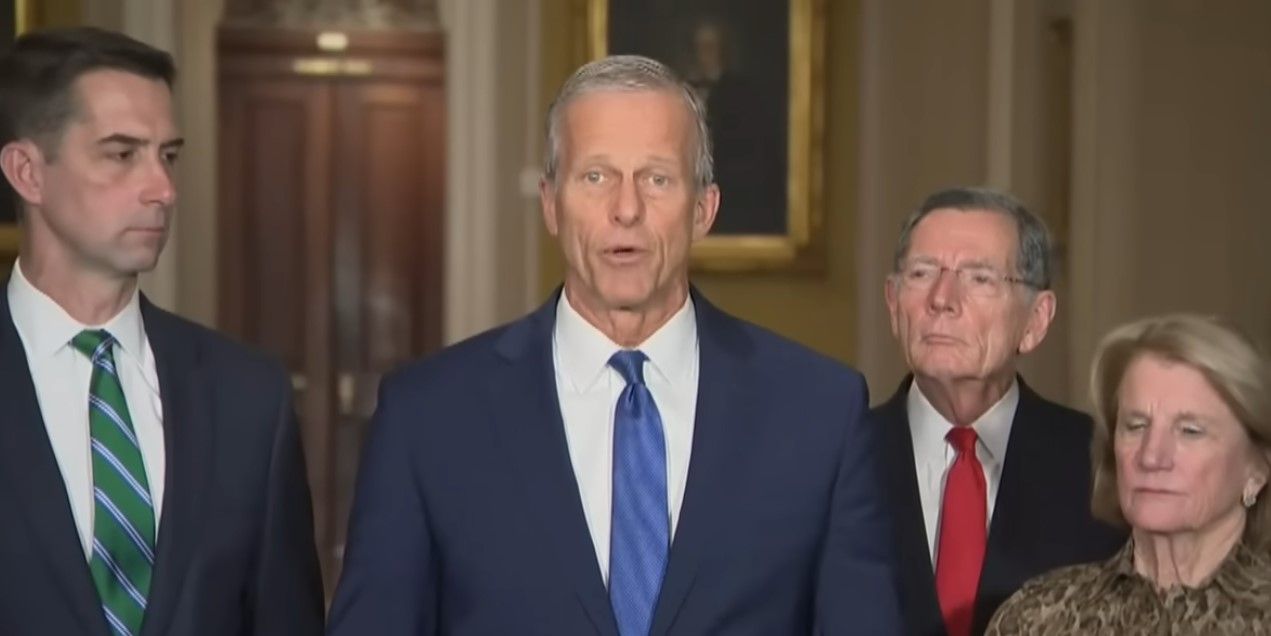
The Senate voted 51-48 on March 17, 2026, to open debate on the SAVE America Act, a Republican priority bill requiring proof of U.S. citizenship for federal voter registration and photo identification at the polls.
Sen. Lisa Murkowski (R-Alaska) was the only Republican to vote against advancing the measure, while Sen. Thom Tillis (R-North Carolina) missed the vote. Senate Majority Leader John Thune (R-South Dakota) secured the simple-majority threshold needed for a motion to proceed on the House-passed legislation.
The bill, which passed the House earlier this year, mandates documentary proof of citizenship (such as a passport, birth certificate, or REAL ID) when registering to vote and requires photo ID to cast a ballot starting in 2027. It also tightens mail-in ballot rules and includes other election security provisions.
Democrats have fiercely opposed the legislation, arguing it amounts to voter suppression with no evidence of widespread non-citizen voting. Senate Minority Leader Chuck Schumer (D-New York) called it a “pernicious” and “radical” measure that would make voting more difficult for millions of Americans, particularly minorities, seniors, and students. Democrats maintain existing laws already prevent non-citizen voting and view the bill as a solution in search of a problem.
Republicans, backed by President Donald Trump—who has called the bill his top legislative priority—argue it is essential to restore public confidence in elections and close loopholes exploited in past cycles. Thune said the extended debate will put Democrats “on the record” defending their position against measures most Americans support.
The path forward involves a hybrid debate format lasting through the weekend and into next week. Republicans plan to fill the amendment tree to limit Democratic amendments while allowing time for both sides to speak. Votes on select Republican amendments, such as one from Sen. Eric Schmitt (R-Missouri) adding further restrictions on mail-in ballots and other issues, are expected.
To ultimately pass, the bill requires 60 votes to invoke cloture and end debate, a threshold Republicans cannot meet with their 53-seat majority and unified Democratic opposition. Thune has ruled out forcing a full talking filibuster or changing Senate rules at this time.
The odds of final passage remain low without significant Democratic defections or a procedural workaround. The exercise is widely viewed as a messaging effort to highlight Democratic resistance ahead of the 2026 midterms rather than a realistic path to enactment.
Support Independent Conservative News
RWTNews is independent conservative news — no corporate backing, no agenda driven by advertisers. We rely entirely on readers like you to keep the lights on and the truth coming. If you've found value in what you read here, consider supporting us with a one-time or monthly contribution. Every dollar goes directly toward keeping this site running and growing.
Secured by Stripe. Your payment info is never stored on our servers.