Retired Gen. Wesley Clark Urges NATO Involvement in Securing Strait of Hormuz, Highlights Kharg Island as Key Target
Clark told Newsmax that Iran views control of the strait as a major strategic weapon. “They do feel like they’ve got a real grip on the Strait of Hormuz,” he said. “They feel that’s a strategic weapon.”
 Tommy Flynn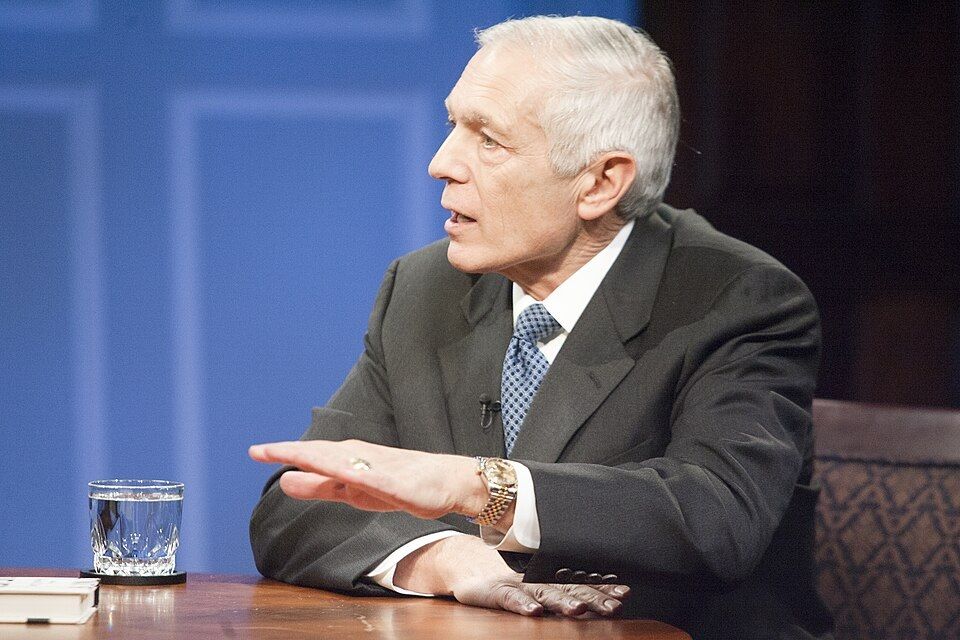
WASHINGTON – Retired Gen. Wesley Clark, former NATO Supreme Allied Commander, said in a Newsmax interview aired April 7, 2026, that striking or seizing Iran’s Kharg Island could be a decisive step toward reopening the Strait of Hormuz, while calling for greater NATO support in the effort.
Clark told Newsmax that Iran views control of the strait as a major strategic weapon. “They do feel like they’ve got a real grip on the Strait of Hormuz,” he said. “They feel that’s a strategic weapon.”
He noted that targeting Kharg Island — Iran’s primary oil export terminal, which handles roughly 90% of the country’s crude shipments — would directly impact Tehran’s ability to sustain the conflict and could help restore freedom of navigation. Clark described the island as a high-value target that could force Iran to reconsider its blockade tactics.
On the question of allied support, Clark was blunt about the need for NATO involvement. “It would be really helpful if NATO nations would come and support it,” he said, referring to efforts to secure the strait. He noted that while the U.S. has carried the bulk of the military burden, broader alliance participation would strengthen the operation and share the load.
The comments come as the U.S. maintains pressure on Iran six weeks into the conflict that began with American and Israeli strikes on February 28, 2026. Iran has disrupted shipping in the Strait of Hormuz through mines, drones, and missile threats, driving up global oil prices and creating fuel shortages for several nations.
Clark emphasized that while the U.S. has achieved significant degradation of Iranian capabilities, securing the strait remains a major challenge. He suggested sustained air operations along the Iranian coastline and around the strait would be necessary to keep shipping lanes open.
The retired general’s remarks reflect growing calls within military circles for NATO to play a more active role in protecting critical maritime chokepoints. Several European allies have so far shown reluctance to commit naval forces, citing the conflict as primarily a U.S.-Iran matter.
President Trump has repeatedly criticized allies for failing to assist, stating the U.S. will no longer act as the default guarantor of global shipping lanes. He has offered to sell American oil to affected nations while urging them to “build up some delayed courage” and secure the strait themselves.
The Pentagon continues to position additional assets in the region, including elements of the 82nd Airborne Division and Marine Expeditionary Units, as contingency planning for further operations proceeds. No decision has been made on any ground action involving Kharg Island, but military officials have confirmed the target remains under active consideration.
Clark’s interview underscores the strategic importance of the Strait of Hormuz and the ongoing debate over burden-sharing within the Western alliance as the conflict with Iran enters a critical phase.
Support Independent Conservative News
RWTNews is independent conservative news — no corporate backing, no agenda driven by advertisers. We rely entirely on readers like you to keep the lights on and the truth coming. If you've found value in what you read here, consider supporting us with a one-time or monthly contribution. Every dollar goes directly toward keeping this site running and growing.
Secured by Stripe. Your payment info is never stored on our servers.