President Trump Takes Foreign Aid Battle to Supreme Court to Rein in Wasteful Spending
This escalation builds on prior Supreme Court involvement in related spending disputes. In April 2025, a divided high court ruled that the administration must repay about $2 billion in previously withheld aid for specific programs, but it has also permitted pauses in other grants during litigation.
 RWTNews Staff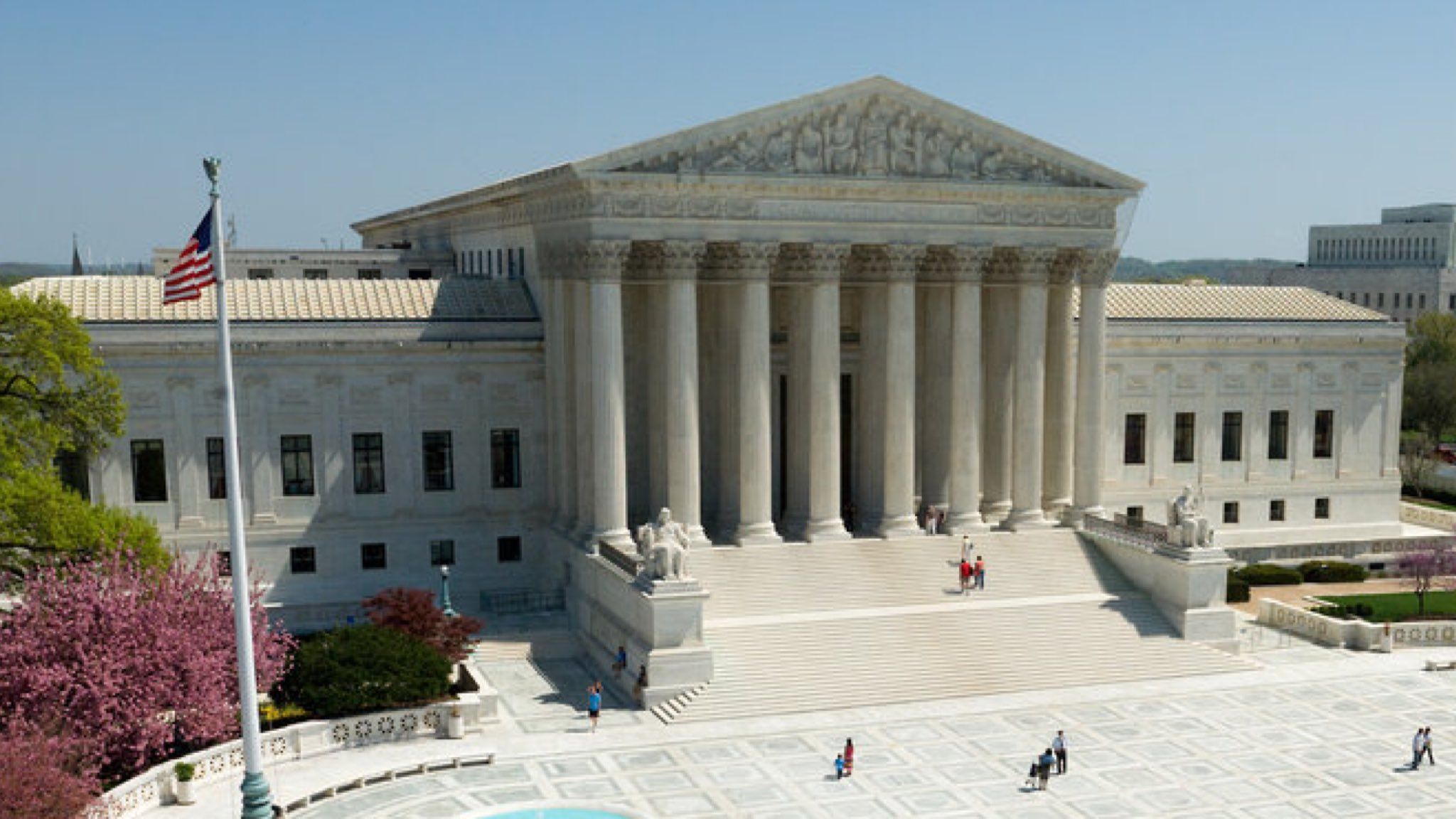
President Trump's administration has elevated its fight to curb billions in foreign aid to the Supreme Court, filing an emergency request on September 8, 2025, to allow the freezing of funds appropriated by Congress. This move seeks to overturn a lower court's ruling that barred unilateral cuts. By challenging the decision, the White House aims to affirm executive authority over spending that burdens taxpayers without delivering tangible benefits to the nation.
The saga began shortly after President Trump's inauguration on January 20, 2025, when he issued an executive order titled "Reevaluating and Realigning United States Foreign Aid." This directive initiated a comprehensive review of all foreign assistance, halting disbursements through the State Department and the U.S. Agency for International Development (USAID) to assess their alignment with America First policies. The order targeted what the administration viewed as bloated programs, including those funding global health initiatives, humanitarian efforts, and development projects in regions plagued by corruption and inefficiency. By February, the freeze affected tens of billions, with estimates from congressional Democrats inflating the hold to as much as $430 billion across various appropriations.
Opposition swiftly mounted, with groups like the American Bar Association (ABA) and Physicians for Human Rights filing lawsuits in early February 2025, arguing the actions violated the Constitution's allocation of spending power to Congress and the Impoundment Control Act of 1974, which prohibits presidents from withholding duly appropriated funds without legislative approval. On February 14, a federal judge granted a temporary restraining order in the ABA's case, allowing programs to continue amid litigation and preventing immediate disruptions to ongoing aid efforts.
The legal tussle intensified in March 2025, when U.S. District Judge Amir H. Ali issued a preliminary injunction blocking the administration from suspending funds under the 2024 Appropriations Act. This ruling mandated the release of aid, emphasizing that executive impoundment without congressional consent undermined the separation of powers. The administration appealed, and by July 2025, amid the ongoing disputes, President Trump announced the dissolution of USAID as an independent entity, folding its remaining programs into the State Department to streamline operations and eliminate redundancies.
A turning point came on August 13, 2025, when the U.S. Court of Appeals for the D.C. Circuit partially vacated the preliminary injunction in consolidated cases, ruling that the administration could withhold approximately $4 billion in global health funding and over $6 billion in other assistance. The divided panel determined that grant recipients lacked a sufficient cause of action to challenge the suspensions, handing a victory to President Trump's efforts to prioritize domestic needs over foreign entitlements.
However, the reprieve was short-lived. On September 4, 2025, Judge Ali revisited the matter in light of revised arguments, issuing an order that once again prohibited the unilateral cuts, citing violations of statutory requirements and the impending expiration of $11.5 billion in aid by September 30. The appeals court declined to stay this decision, prompting the administration's urgent appeal to the Supreme Court. In its filing, the White House argued that without intervention, irreversible harm would occur through the dispersal of funds that could otherwise support American infrastructure, border security, and economic recovery.
This escalation builds on prior Supreme Court involvement in related spending disputes. In April 2025, a divided high court ruled that the administration must repay about $2 billion in previously withheld aid for specific programs, but it has also permitted pauses in other grants during litigation. The current request tests the boundaries of presidential discretion, potentially setting precedents on impoundment that could empower future executives to veto congressional largesse deemed contrary to national interests.
Critics within the Democratic-led opposition decry the moves as an assault on humanitarian commitments, but the administration counters that decades of unchecked aid have fueled dependency abroad while neglecting pressing issues at home, such as veteran services and disaster relief. With the Supreme Court's conservative majority—bolstered by President Trump's appointees—poised to weigh in, a favorable ruling could validate the freeze and deliver a decisive win for fiscal responsibility. As the September 30 deadline looms, the outcome will shape not only foreign policy but the very balance of power between the branches of government.
Support Independent Conservative News
RWTNews is independent conservative news — no corporate backing, no agenda driven by advertisers. We rely entirely on readers like you to keep the lights on and the truth coming. If you've found value in what you read here, consider supporting us with a one-time or monthly contribution. Every dollar goes directly toward keeping this site running and growing.
Secured by Stripe. Your payment info is never stored on our servers.