Powell Reiterates Longstanding “Wait and See” Approach on Iran War, Signaling Continued Resistance to Trump Economic Agenda
Monday’s comments reinforce the perception among Trump allies that the Fed under Powell is deliberately dragging its feet to undermine the administration’s economic momentum.
 Tommy Flynn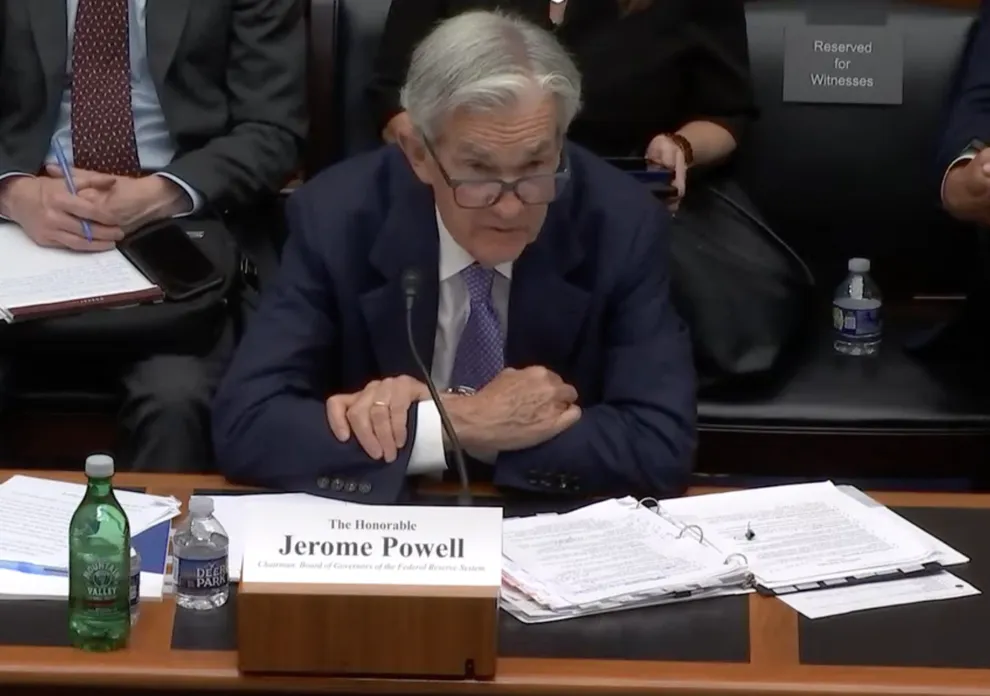
WASHINGTON – Federal Reserve Chairman Jerome Powell said Monday the central bank will continue its “wait and see” stance on how the ongoing U.S.-Iran conflict affects the economy, repeating a policy he has maintained for years that critics say is designed to slow President Donald Trump’s pro-growth agenda.
In remarks to students at Harvard University on March 30, 2026, Powell stated: “We feel like our policy’s in a good place for us to wait and see how that turns out.” He added that the Fed typically looks through temporary supply shocks such as higher oil prices caused by the war.
Powell’s “wait and see” posture predates the Iran conflict by years. He has used the same cautious language during previous periods of economic uncertainty, including post-COVID recovery and the 2022 inflation surge. Since Trump took office in January 2025, Powell has repeatedly emphasized patience and data-dependence, refusing to cut rates aggressively despite strong growth, low unemployment, and Trump’s calls for lower borrowing costs to fuel further expansion.
Monday’s comments reinforce the perception among Trump allies that the Fed under Powell is deliberately dragging its feet to undermine the administration’s economic momentum. With oil prices rising due to the Iran war, Powell again signaled no immediate policy shift, noting that longer-term inflation expectations remain “well anchored” while declining to commit to rate cuts.
The Fed has held its benchmark interest rate steady through multiple meetings in 2025 and 2026, projecting only modest easing later this year. Critics argue this slow pace contrasts with Trump’s rapid deregulation, tax cuts, and energy production push, which have driven robust GDP growth and record stock market gains.
Powell’s Harvard appearance offered no new signals of accommodation. He told students the Fed’s tools are better suited to demand-side pressures than temporary supply disruptions, maintaining the same deliberate caution he has shown since well before the current Middle East conflict began on Feb. 28, 2026.
The remarks come ahead of the May FOMC meeting. For now, the Fed remains on hold, continuing the “wait and see” approach that has defined Powell’s tenure and drawn sharp criticism from the Trump administration for potentially throttling economic momentum.
Join the Team
Are you trying to break into news writing but struggling to get published at major outlets? At RWT News, we're always looking for talented, motivated writers who share our commitment to straightforward, factual conservative journalism. If you believe in honest reporting and want real experience and bylines, we'd love to hear from you.
Visit our Join the Team page to learn more and contact us directly.