Pentagon Presses Defense Companies to Accelerate Weapons Production Amid Iran Conflict Stockpile Strain
The Pentagon has given major defense contractors 21 days to submit plans for dramatically faster production of critical munitions and systems after Iran conflict operations depleted key stockpiles of ATACMS, Patriots, THAAD, and Tomahawks.
 Tommy Flynn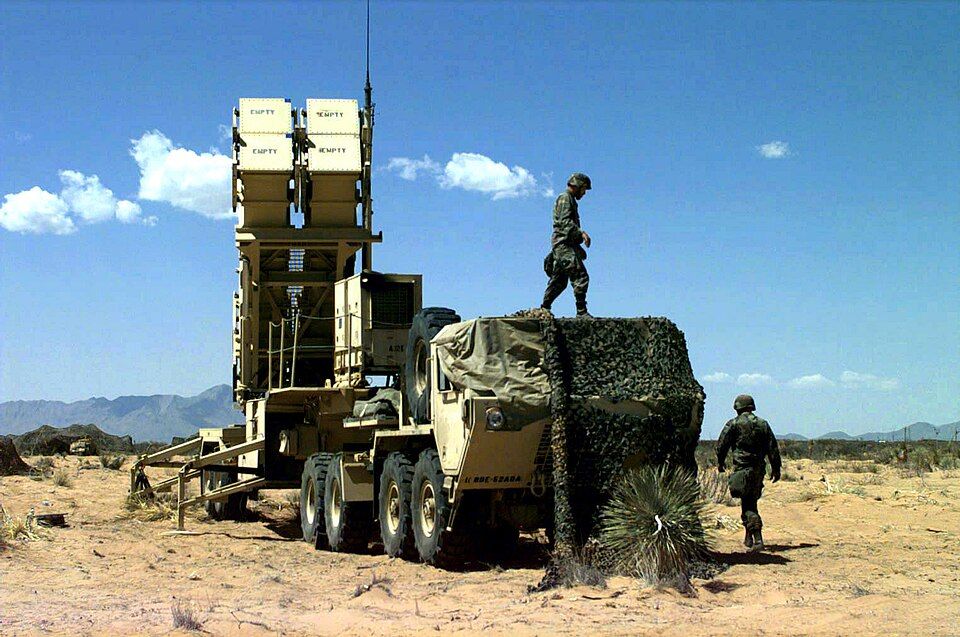
The Pentagon has directed major U.S. defense contractors to rapidly increase production and speed delivery of critical weapons systems, citing the need to replenish munitions depleted by the ongoing conflict with Iran and to strengthen the defense industrial base.
In a memo sent to industry leaders last week, Deputy Defense Secretary Steve Feinberg gave companies no more than 21 days to submit plans for “significantly faster, more aggressive delivery schedules and/or increased production for critical capabilities.” Feinberg wrote that “years-long development cycles are not acceptable” and that the department “must dramatically accelerate our program schedules and expand our production capacity now.”
The letter was directed to major firms including Boeing, Lockheed Martin, and RTX, according to reports of the previously unreported document. Priority areas identified include wide-area surveillance systems, air-defense sensors and interceptors, missile-tracking systems, and related capabilities. Lockheed Martin’s Next Generation Interceptor program, intended to defend against intercontinental ballistic missiles, was also highlighted as a focus.
Pentagon spokesman Sean Parnell confirmed the memo’s authenticity, stating it will help inform the fiscal year 2028 budget request and aligns with the department’s broader effort to rebuild the defense industrial base. He said the department is focused on providing “the weapons our warfighters need at the pace the threat demands,” noting recent steps to accelerate acquisitions while emphasizing that modernization efforts predated the current conflict.
The push comes as the U.S. military has drawn heavily on high-end munitions during roughly five months of operations against Iran. Analyses and reporting have pointed to significant reductions in stockpiles of Army Tactical Missile Systems (ATACMS), Precision Strike Missiles (PrSM), Patriot PAC-3 interceptors, Terminal High Altitude Area Defense (THAAD) missiles, and Tomahawk cruise missiles. One Center for Strategic and International Studies assessment cited in coverage estimated that global Patriot inventories had fallen from about 2,200 before the conflict to fewer than 827, with THAAD stocks declining from 452 to under 278.
The administration has taken parallel steps to expand capacity. These include a contract with Lockheed Martin valued at up to $58.6 billion aimed at tripling PAC-3 production by 2030, framework agreements with companies such as Northrop Grumman and Lockheed Martin to scale interceptor component production, and arrangements with newer firms including Anduril for lower-cost, mass-producible munitions. Officials have described these moves as sending clear long-term demand signals to suppliers.
President Donald Trump has publicly rejected characterizations of critical shortages, stating that the United States maintains “massive amounts” of munitions and warning against reports suggesting otherwise. Pentagon officials have similarly framed the industry directive as part of a sustained modernization drive rather than an emergency response alone.
Defense companies now face a late-August deadline to outline how they can compress schedules and expand output. The outcome of those plans is expected to shape near-term procurement decisions and longer-term investments in the industrial base as the conflict continues and stockpile recovery remains a priority.
Join the Team
Are you trying to break into news writing but struggling to get published at major outlets? At RWT News, we're always looking for talented, motivated writers who share our commitment to straightforward, factual conservative journalism. If you believe in honest reporting and want real experience and bylines, we'd love to hear from you.
Visit our Join the Team page to learn more and contact us directly.