Pentagon Fails Ninth Straight Audit Despite Progress on Some Units
The Pentagon failed its ninth straight audit, though 14 of 25 units now have clean opinions covering a majority of assets for the first time. Officials still project a full clean audit by 2028.
 Tommy Flynn
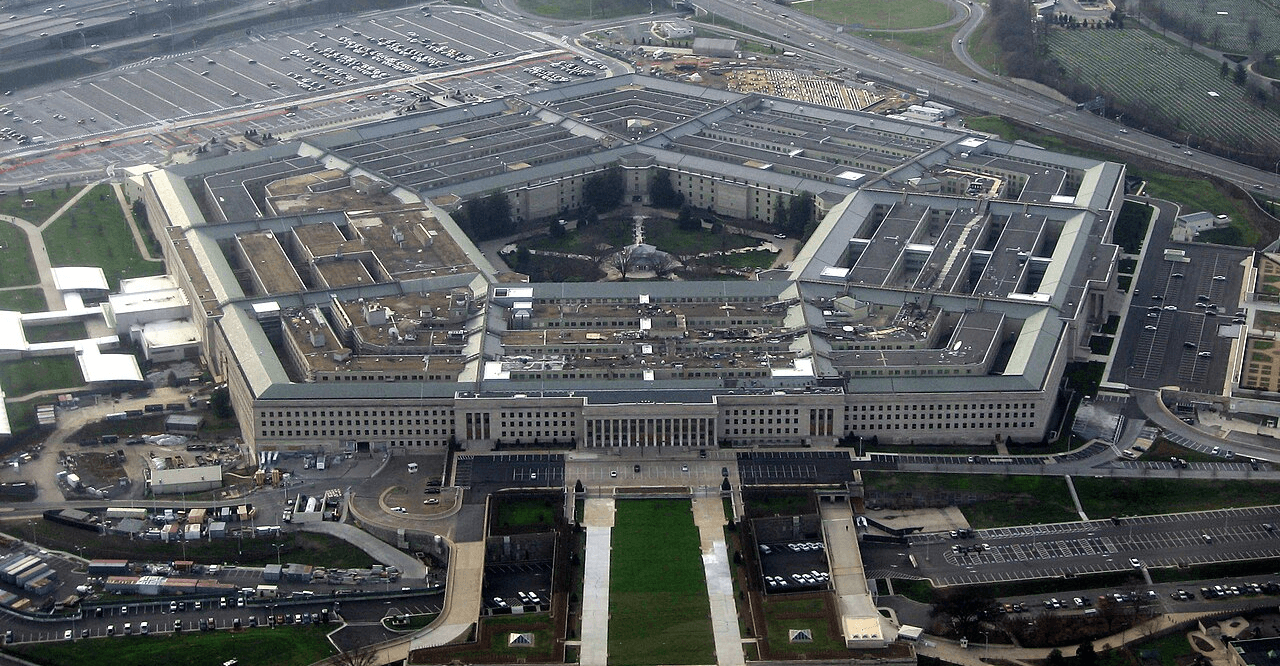
The Defense Department again failed to produce a clean department-wide financial audit, the ninth consecutive failure since full audits began in 2018, the Office of Inspector General reported Monday.
The agency-wide review examined more than $4.8 trillion in assets and involved roughly 1,500 auditors from the DoD OIG and independent firms. Fourteen of 25 reporting entities received clean opinions, up from 11 the prior year. Those entities account for 56 percent of assets and 86 percent of liabilities. For the first time, a majority of department assets sit under clean opinions, including a first-ever clean opinion for the Medicare-Eligible Retiree Health Care Fund.
Chief Financial Officer Jules Hurst told reporters the department is changing its audit strategy by consolidating statements and bringing in outside auditors. Officials project a full clean opinion by 2028, the year after the congressionally mandated deadline. Deputy Inspector General for Audit Brett Mansfield noted that the apparent reduction in material weaknesses came from consolidation rather than resolution of underlying problems.
The Pentagon is the only major federal department that has never received a clean department-wide audit. Outdated financial systems built over decades remain the core obstacle. The department’s own release highlighted the use of centralized processes and “Super Intelligence” tools to address waste, while stating that clean opinions now cover more than 56 percent of assets and over 90 percent of liabilities.
Congress required the department to pass an audit within 10 years of the first full effort. That deadline falls in fiscal 2028. Prior administrations, including the first Trump term, described the effort as a multi-year project given the complexity of the systems.
Critics of continued high defense spending have pointed to the repeated failures as evidence that large portions of the budget cannot be fully traced. Supporters of the current approach note the incremental gains in clean opinions and the first majority-asset coverage. The audit does not identify missing cash piles; it documents whether statements are fairly presented and systems are sound.
The failure arrives as the administration seeks substantial defense increases. The department’s inability to achieve a clean opinion continues to limit outside verification of how resources are managed for operational needs.
Support Independent Conservative News
RWTNews is independent conservative news — no corporate backing, no agenda driven by advertisers. We rely entirely on readers like you to keep the lights on and the truth coming. If you've found value in what you read here, consider supporting us with a one-time or monthly contribution. Every dollar goes directly toward keeping this site running and growing.
Secured by Stripe. Your payment info is never stored on our servers.