Pentagon Develops Contingency Plans for Limited Ground Operations in Iran as Conflict Enters Fifth Week
The planning falls short of a full-scale invasion and remains entirely hypothetical, with no final decision from President Trump on whether to authorize any such missions.
 Tommy Flynn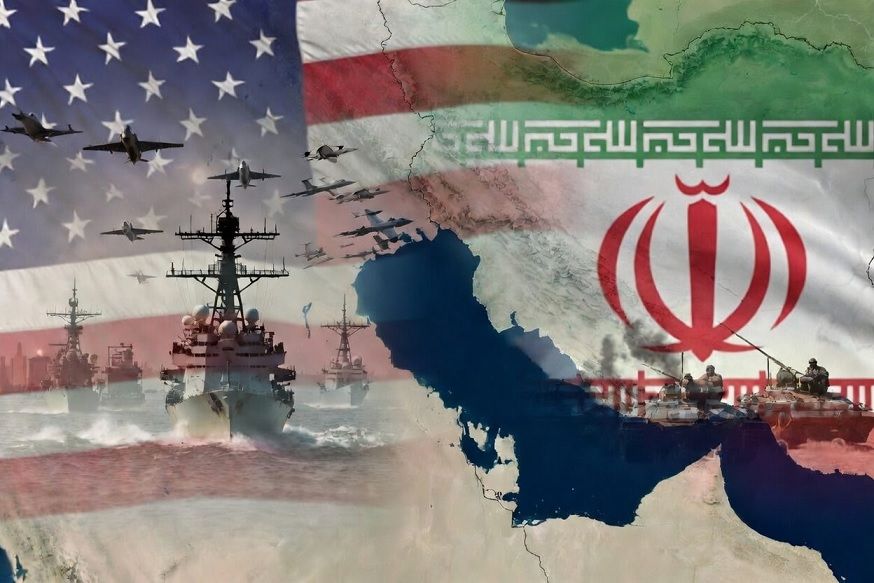
WASHINGTON – The Pentagon is preparing detailed contingency plans for weeks-long limited ground operations inside Iran that could involve raids by U.S. Special Operations forces and conventional infantry troops, multiple U.S. officials told The Washington Post in a report published March 28, 2026.
The planning falls short of a full-scale invasion and remains entirely hypothetical, with no final decision from President Trump on whether to authorize any such missions. Officials stressed the plans are precautionary measures amid stalled indirect peace talks and Iran’s continued missile and drone attacks on regional targets.
The preparations coincide with the deployment of thousands of additional U.S. Marines to the Middle East and the imminent arrival of elements of the Army’s 82nd Airborne Division, including roughly 3,000 troops from its Immediate Response Force. These units are being positioned to support rapid-response operations, potentially including securing key infrastructure or conducting targeted raids.
Potential objectives under consideration, according to earlier reporting by Axios on March 26, include raids on or blockades of Kharg Island — Iran’s primary oil-export terminal handling approximately 90% of its crude shipments — as well as coastal sites near the Strait of Hormuz, Larak Island, and Abu Musa. Plans also reportedly encompass ground operations deep inside Iran to secure highly enriched uranium at nuclear facilities if diplomatic efforts collapse.
Military officials and analysts have highlighted the elevated risks to U.S. personnel. Any ground incursion would expose troops to Iranian drones, ballistic missiles, ground fire, and improvised explosive devices in a contested environment. Former Marine officer Jonathan Hackett told The National that conventional Marine forces are already drilling on chemical, biological, radiological, and nuclear (CBRN) protective gear with 15-second response times to “gas” alerts.
Chemical weapons experts interviewed by The National expressed concern that Iran’s advanced pharmaceutical and chemical industry could enable production of agents such as mustard gas if Tehran feels cornered. One specialist noted credible reports that Iran may have acquired chemical stockpiles previously held by Syria. Hamish de Bretton-Gordon, a former British Army chemical warfare officer, urged the administration to maintain a clear “red line” with credible deterrence to prevent unconventional escalation.
Fox News reporting on March 25 described the deployments of the 82nd Airborne and Marine Expeditionary Units as part of a broader “final phase” posture following Iran’s rejection of a U.S. ceasefire proposal. White House officials have described potential ground operations as “highly risky” and have signaled to regional allies that no immediate invasion is planned, per Bloomberg reporting.
The developments come as the conflict, which began with U.S. and Israeli strikes on Feb. 28, 2026, has produced 13 confirmed U.S. deaths and more than 300 wounded. Iran has threatened to disrupt both the Strait of Hormuz and Bab el-Mandeb Strait in retaliation for any deeper U.S. involvement.
Pentagon spokespeople have not publicly confirmed the ground-operation planning, describing all movements as prudent force-posture adjustments. The Trump administration continues to pursue a negotiated end to hostilities while maintaining maximum military pressure on Tehran. No timeline has been given for any decision on ground missions, and officials emphasize that diplomacy remains the preferred path.
Join the Team
Are you trying to break into news writing but struggling to get published at major outlets? At RWT News, we're always looking for talented, motivated writers who share our commitment to straightforward, factual conservative journalism. If you believe in honest reporting and want real experience and bylines, we'd love to hear from you.
Visit our Join the Team page to learn more and contact us directly.