Pentagon Briefs Trump on High-Risk Plan to Seize Iran’s Enriched Uranium Stockpile
No final decision has been made to execute the plan. White House officials have described it as one of several options on the table to achieve Trump’s core objective of denying Iran a nuclear weapon.
 Tommy Flynn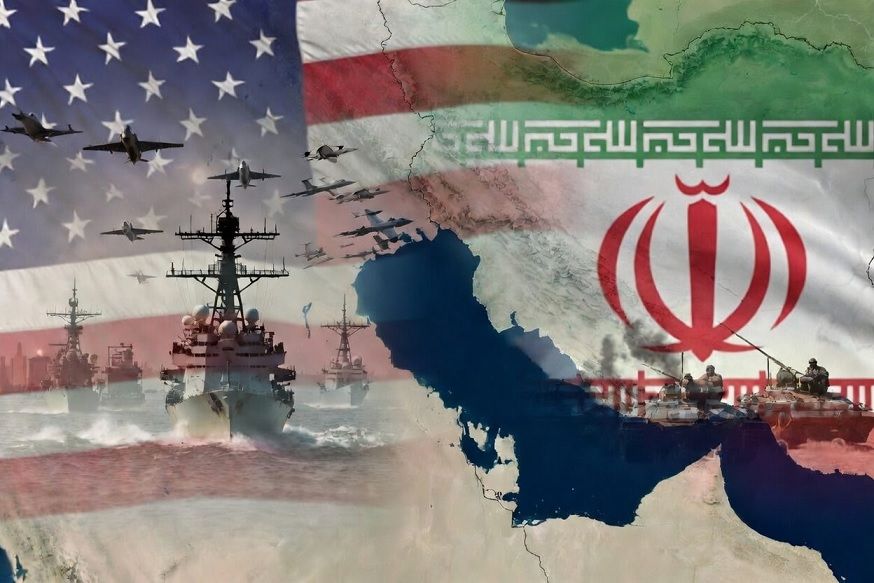
WASHINGTON – The Pentagon has presented President Donald Trump with a detailed contingency plan to insert U.S. ground forces into Iran to seize nearly 1,000 pounds of highly enriched uranium, according to two people familiar with the matter.
The high-risk operation, developed at Trump’s direct request, would involve special operations forces and conventional troops airlifting heavy excavation equipment into Iran, constructing a temporary runway for cargo planes, and extracting the radioactive material from underground nuclear sites. The mission could last several weeks and would require securing ground around facilities such as Isfahan or Natanz, where much of the stockpile is believed to be stored in tunnels.
The plan is part of broader contingency planning for limited ground operations inside Iran as the conflict that began with U.S. and Israeli strikes on February 28, 2026, enters its sixth week. Trump has repeatedly stated that Iran cannot be allowed to retain its enriched uranium, telling advisers and publicly warning that the material must be removed to prevent any nuclear breakout capability.
According to The Washington Post, which first reported the briefing, the operation would not be a full-scale invasion or long-term occupation but a targeted, time-limited raid combining elite units from Joint Special Operations Command with support from conventional forces such as the 82nd Airborne Division. The goal is to physically remove or render unusable the uranium enriched to 60 percent — a level close to weapons-grade — that Iran has accumulated despite years of international monitoring.
Military planners have warned that the mission would be extremely complex and dangerous. Iran’s nuclear sites are heavily fortified and buried deep underground, requiring troops to operate in hostile territory under potential threat from Iranian missiles, drones, ground forces, and possibly chemical weapons. Experts note that even after previous U.S. and Israeli airstrikes, locating and safely extracting the material would demand sustained on-ground presence, heavy air cover, and specialized equipment to handle radioactive substances.
No final decision has been made to execute the plan. White House officials have described it as one of several options on the table to achieve Trump’s core objective of denying Iran a nuclear weapon. Secretary of State Marco Rubio has publicly said that “people are going to have to go and get it,” while emphasizing that the administration continues to pursue both military pressure and indirect diplomatic channels.
The briefing comes as the Pentagon continues to move thousands of additional Marines and elements of the 82nd Airborne Division into the Middle East to support ongoing operations. Trump has made clear that preventing Iran from developing nuclear weapons remains a top priority, even as he has signaled openness to winding down the conflict if Tehran accepts a comprehensive peace deal.
Critics of any ground incursion warn that it could escalate into a prolonged and costly engagement, while supporters argue that leaving the uranium in Iranian hands would represent an unacceptable national security failure. The administration has not publicly confirmed the existence of the plan, consistent with standard practice for sensitive military contingencies.
The development underscores the high stakes of the current Iran conflict and the Trump administration’s willingness to consider bold measures to neutralize Iran’s nuclear program once and for all.
Join the Team
Are you trying to break into news writing but struggling to get published at major outlets? At RWT News, we're always looking for talented, motivated writers who share our commitment to straightforward, factual conservative journalism. If you believe in honest reporting and want real experience and bylines, we'd love to hear from you.
Visit our Join the Team page to learn more and contact us directly.