OCC Report Finds SPLC Labels Drove Bank Closures of Conservative and Religious Groups
An Office of the Comptroller of the Currency report found that Southern Poverty Law Center “hate group” labels factored into decisions by major banks to close accounts or deny services to conservative and religious organizations. The review covered the nine largest national banks from 2020 through September 2025.
 Tommy Flynn
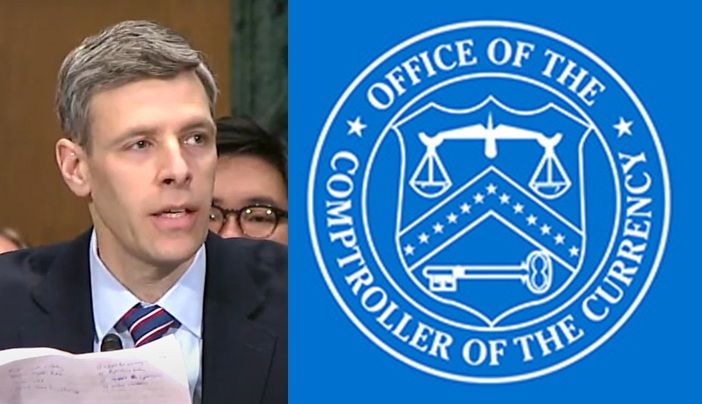
A report from the Office of the Comptroller of the Currency shows that the Southern Poverty Law Center’s “hate group” designations were a factor in decisions by major banks to close accounts or deny services to conservative and religious organizations.
The OCC, part of the Treasury Department, released the findings last week after reviewing roughly 100,000 complaints and tens of thousands of internal bank records covering the period from 2020 through September 2025. All nine of the largest national banks the agency supervises maintained policies that allowed political, religious, or social views, or certain lawful business activities, to influence access to financial services.
Comptroller of the Currency Jonathan Gould said the report “provides irrefutable evidence that the nation’s largest banks have denied, debanked and discriminated against customers and lawful businesses.” He added that Americans should have access to financial services regardless of beliefs, affiliations, or political views.
Banks frequently cited broad “reputational risk” policies that lacked clear, quantifiable standards. Negative press, protests, and criticism from advocacy groups, including the SPLC, were among the factors the report identified as driving concern inside the institutions. Many of the affected organizations had been labeled “hate groups” by the SPLC.
Specific cases documented in the review include JPMorgan Chase’s WePay payment processor closing the account of a religious organization after employees noted its designation as an “extremist hate group” by the SPLC. WePay also closed the account of a conservative nonprofit, with internal records referencing the SPLC label. PNC Bank declined a line of credit to a media company after noting that one owner’s foundation had funded Christian conservative groups, including some the SPLC had identified as hate groups.
TD Bank flagged a Christian health care sharing ministry in part because its “moral and religious requirements” appeared to conflict with the bank’s stated values on diversity and inclusion. Other examples involved merchants selling Trump- or MAGA-branded merchandise and organizations focused on pro-life causes or traditional family views.
The OCC report followed an August 2025 executive order directing federal banking regulators to examine whether institutions had denied services based on political or religious beliefs. The nine banks named were JPMorgan Chase, Bank of America, Citibank, Wells Fargo, U.S. Bank, Capital One, PNC Bank, TD Bank, and BMO Bank.
The findings arrive as the Justice Department has charged the SPLC with fraud, alleging the organization paid large sums to members of extremist groups to serve as informants and expand operations while soliciting donor funds under the claim it was dismantling such groups. The SPLC has denied the charges, stating that its informant program prevented threats and gathered information used against hate groups.
Alliance Defending Freedom’s Matt Sharp, appearing on a Just the News program, described the administration’s focus on the issue as a step toward accountability for institutions that closed accounts or canceled credit over religious or political beliefs. He noted that some states have already enacted laws aimed at limiting the practice.
The OCC found that banks have since revised some policies, but the agency stated it cannot conclude with confidence that current rules fully prevent a return to the earlier practices.
Join the Team
Are you trying to break into news writing but struggling to get published at major outlets? At RWT News, we're always looking for talented, motivated writers who share our commitment to straightforward, factual conservative journalism. If you believe in honest reporting and want real experience and bylines, we'd love to hear from you.
Visit our Join the Team page to learn more and contact us directly.