Newly Declassified NSA Intercepts Reveal Ukrainian Officials Discussed Diverting Hundreds of Millions in Climate-Earmarked USAID Funds to Biden 2024 Campaign
The revelation underscores long-standing concerns about fraud, waste and potential money laundering risks in USAID programs, particularly those involving climate change funding and assistance to Ukraine.
 Tommy Flynn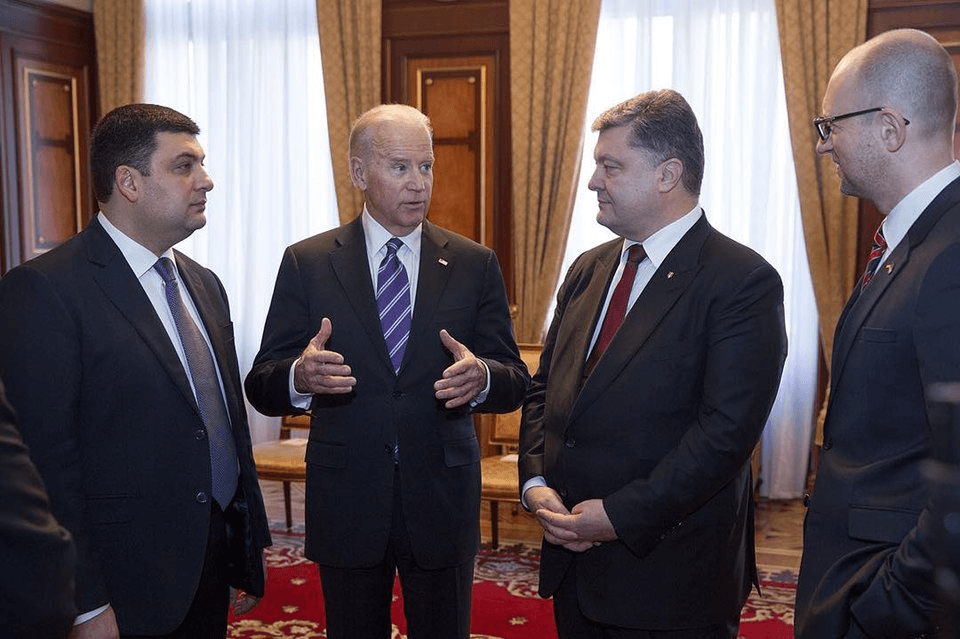
WASHINGTON – Newly declassified U.S. intelligence intercepts from late 2022 show Ukrainian government officials discussed a plan to divert hundreds of millions of American taxpayer dollars — originally earmarked for clean energy and climate projects in Ukraine — back to the United States to fund President Joe Biden’s 2024 re-election campaign and the Democratic National Committee.
According to a declassified summary of the intercepts obtained by Just the News, Ukrainian officials, working with unspecified U.S. government personnel through the U.S. Agency for International Development (USAID) office in Kyiv, developed a scheme that would disguise the transfer as funding for an infrastructure project in Ukraine. The plan called for approximately 90% of the allocated funds to flow through U.S. companies and subcontractors in a manner designed to obscure tracking, ultimately directing the bulk to the DNC and Biden’s campaign. The project was reportedly intended to be initially funded but later declared unnecessary, making the money difficult to recover or redirect.
Director of National Intelligence Tulsi Gabbard directed USAID to review its records after learning of the intercepts to determine whether the alleged diversion ever occurred and whether a criminal referral to the FBI was warranted. Gabbard’s team found no evidence that the allegations were thoroughly investigated during the Biden administration. Officials reviewing the material stated the communications are not believed to stem from Russian disinformation.
The revelation underscores long-standing concerns about fraud, waste and potential money laundering risks in USAID programs, particularly those involving climate change funding and assistance to Ukraine.
USAID has disbursed billions in aid to Ukraine since Russia’s full-scale invasion in February 2022, including substantial portions designated for clean energy, climate resilience and infrastructure projects. Inspector General reports and fraud awareness alerts issued specifically for Ukraine aid have repeatedly flagged high risks, including conflicts of interest among implementers, questionable indirect cost claims, currency conversion schemes using black-market rates, collusive bidding, ghost beneficiaries and inadequate on-the-ground verification in a conflict zone. Multiple OIG investigations have examined potential fraud in shelter repairs, cash assistance and contracting, while conservative oversight bodies such as the Department of Government Efficiency have criticized the agency for funding non-essential or ideologically driven initiatives under the umbrella of climate and development assistance.
Critics have pointed to USAID’s climate programs as especially vulnerable due to complex subcontracting chains, vague performance metrics and limited accountability. Examples cited in oversight reviews include grants for premium furniture purchases, fashion events and other projects with weak justification, raising questions about whether taxpayer dollars earmarked for environmental goals were properly monitored or diverted. Audits of broader foreign assistance have shown low disallowance rates in some sampled projects, but watchdogs have consistently warned that war-zone conditions and heavy reliance on intermediaries increase the potential for abuse.
The intercepts come against the backdrop of Joe Biden’s extensive involvement in Ukrainian affairs during his vice presidency from 2014 to 2017. As the Obama administration’s point person on Ukraine policy, Biden pushed for anti-corruption reforms, including the 2016 removal of Prosecutor General Viktor Shokin, while his son Hunter Biden served on the board of the Ukrainian natural gas company Burisma Holdings. Those ties have fueled years of scrutiny over potential conflicts of interest, though Biden has maintained his actions aligned with official U.S., European Union, World Bank and International Monetary Fund policy calling for Shokin’s ouster due to his failure to combat corruption.
The declassified material has renewed questions about oversight of U.S. aid to Ukraine and whether climate and development programs administered through USAID have been adequately protected from misuse. No public evidence has emerged confirming the alleged scheme was executed.
Join the Team
Are you trying to break into news writing but struggling to get published at major outlets? At RWT News, we're always looking for talented, motivated writers who share our commitment to straightforward, factual conservative journalism. If you believe in honest reporting and want real experience and bylines, we'd love to hear from you.
Visit our Join the Team page to learn more and contact us directly.