New York Democrats Capture Local Offices After Law Moved Elections to Even-Numbered Years
New York Democrats captured several long-held Republican local offices in 2026 after a 2023 law shifted certain town and county races to even-numbered years, when turnout is higher.
 Tommy Flynn
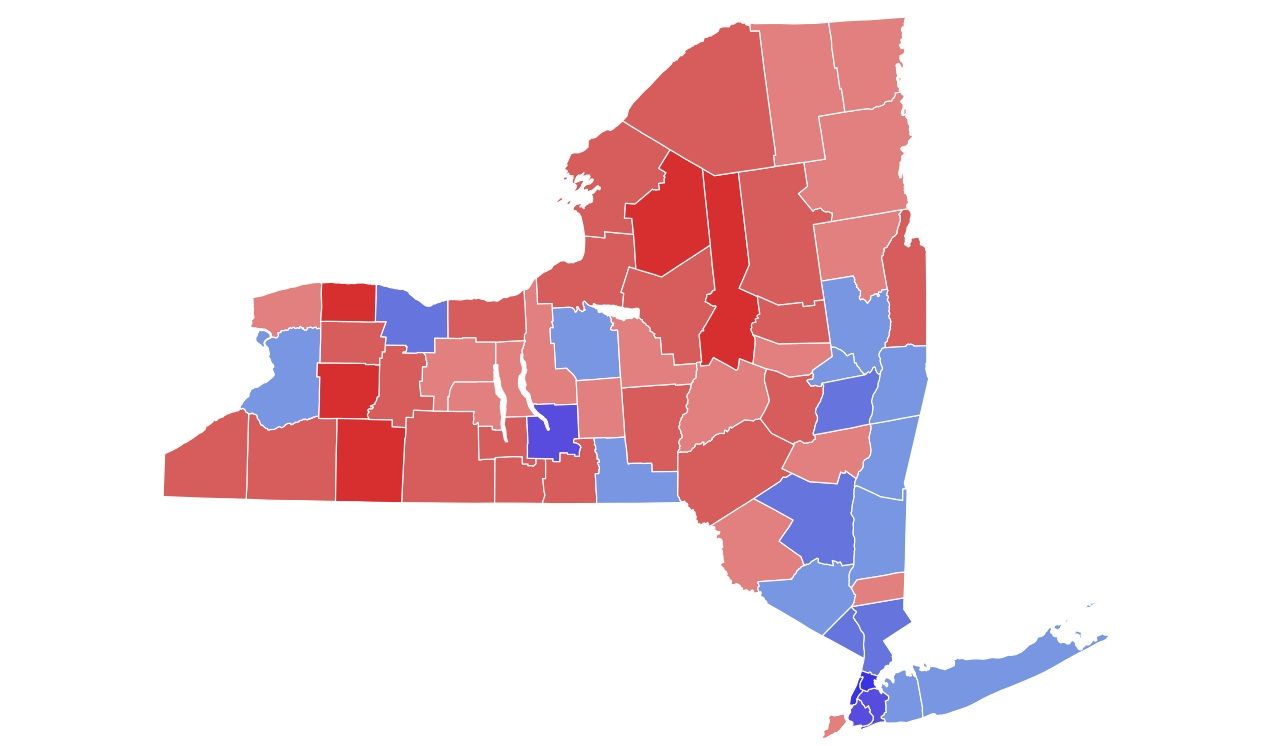
New York Democrats won several town and county races in 2026—the first cycle under a 2023 law that shifted certain local elections from odd- to even-numbered years—capturing offices long held by Republicans. State Democratic Party Chair Jay Jacobs credited the change, which he had pursued for 11 years, with boosting participation when federal contests draw higher turnout.
The law, passed by the Democratic-controlled Legislature and signed by Gov. Kathy Hochul, aligned selected municipal and county races with presidential and midterm cycles. Jacobs listed gains that included historic Democratic victories for Hempstead town supervisor and clerk, Erie County clerk, and three legislative seats in Dutchess County. Democrats hold a large registration advantage statewide—roughly 3.5 million to 578,000 in New York City alone and a 471,000-voter edge outside the city.
Republicans argued the statute was designed to nationalize local contests and dilute attention to municipal issues. They challenged it in state court; New York’s Court of Appeals upheld the measure. A separate federal lawsuit remains pending. The shift took effect for the first time in the 2026 cycle, coinciding with federal midterms in which Democrats regained control of both chambers of Congress.
Even-year elections typically produce higher overall turnout. Critics contend the calendar change allows the majority party’s registration edge and national mood to overwhelm local races that previously turned on town-level concerns and lower-propensity voters. Supporters, including Jacobs, frame it as increasing participation in down-ballot contests.
The results illustrate how procedural rules can shape outcomes. New York’s voter-registration imbalance is longstanding; placing local races on the same ballot as federal contests magnifies that imbalance. The pending federal case leaves open the possibility of further litigation, but the 2026 results already demonstrate the practical effect of the 2023 statute.
Support Independent Conservative News
RWTNews is independent conservative news — no corporate backing, no agenda driven by advertisers. We rely entirely on readers like you to keep the lights on and the truth coming. If you've found value in what you read here, consider supporting us with a one-time or monthly contribution. Every dollar goes directly toward keeping this site running and growing.
Secured by Stripe. Your payment info is never stored on our servers.