NASA’s Artemis II Mission Poised for Historic Crewed Lunar Flyby Launch
Success with Artemis II will clear the path for Artemis III, the first crewed lunar landing since 1972
 Tommy Flynn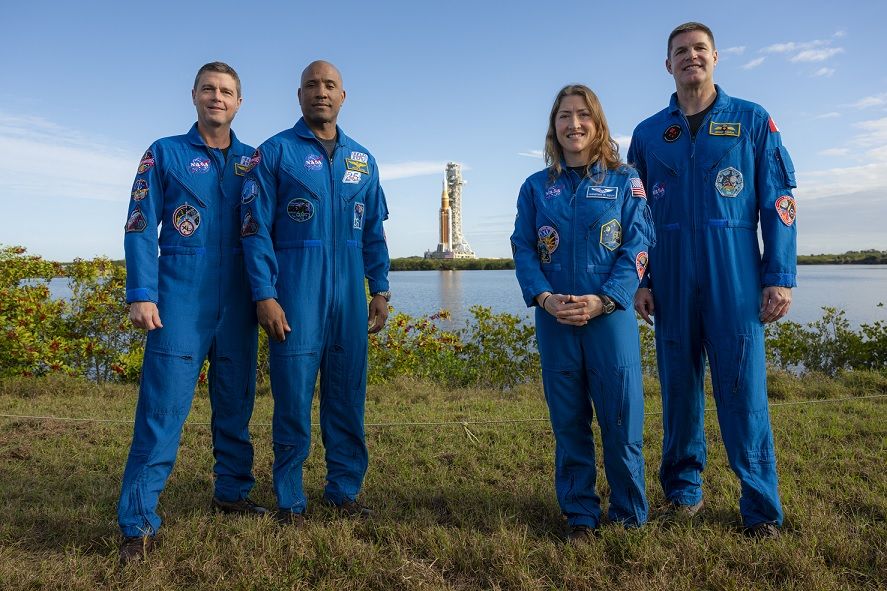
WASHINGTON – NASA’s Artemis II mission, scheduled to launch no earlier than April 1, 2026, will send four astronauts farther from Earth than any humans have traveled since the final Apollo mission in 1972.
The crew — NASA astronauts Reid Wiseman (commander), Victor Glover (pilot), and Christina Koch (mission specialist), along with Canadian Space Agency astronaut Jeremy Hansen — will fly the Orion spacecraft on a 10-day lunar flyby. During the mission, they will reach approximately 6,000 miles beyond the far side of the Moon, setting a new record for the farthest distance humans have traveled from Earth in over five decades.
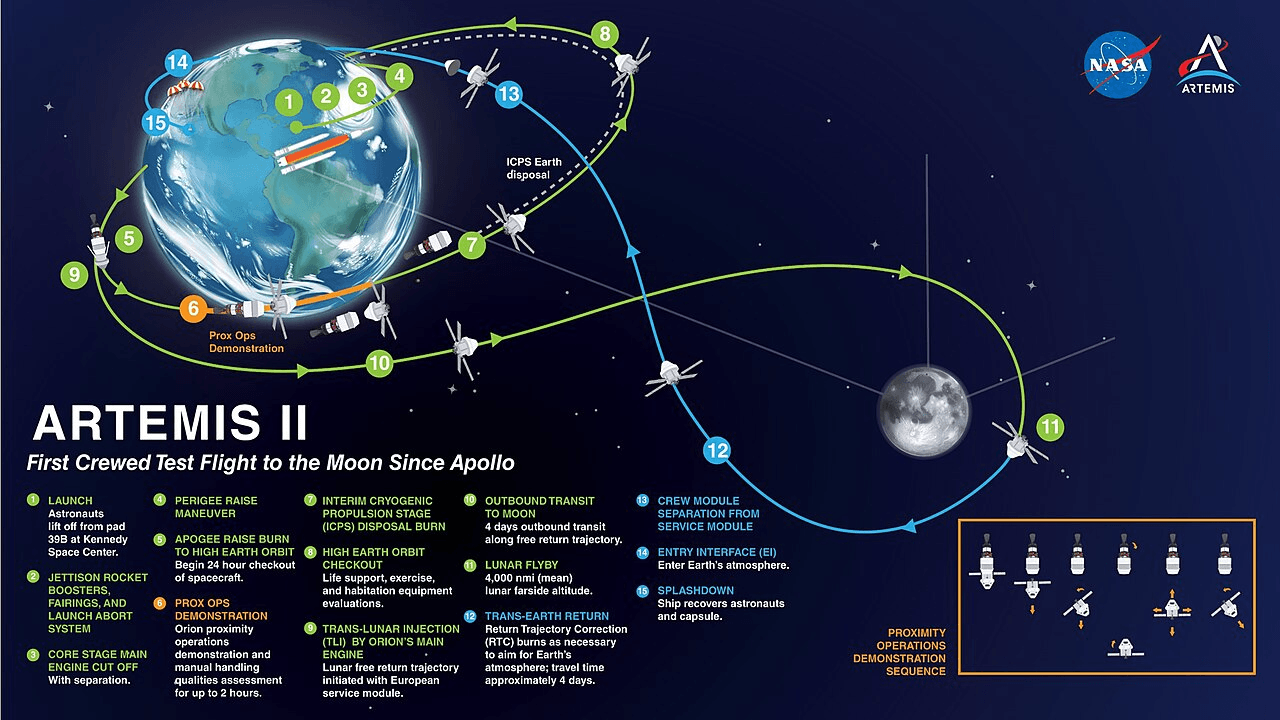
This distance surpasses the previous record set by Apollo 13 in 1970. The flight will test Orion’s life-support systems, communications, navigation, and heat shield performance in the high-radiation environment of cislunar space.
The mission marks several historic firsts:
- First crewed flight of NASA’s Artemis program
- First woman (Christina Koch) to travel beyond low-Earth orbit
- First Canadian (Jeremy Hansen) to fly beyond low-Earth orbit
- First Black astronaut (Victor Glover) on a lunar trajectory
Artemis II serves as the critical crewed test flight following the successful uncrewed Artemis I mission in 2022. Upon retaking office in January 2025, President Donald Trump made returning Americans to the Moon a top national priority. He directed NASA to accelerate the Artemis program, emphasizing American leadership in space and the need to stay ahead of China’s lunar ambitions. The administration’s focus has kept the program on track despite earlier delays.
Success with Artemis II will clear the path for Artemis III, now rescheduled for 2027 as a low-Earth orbit test mission focused on rendezvous and docking with one or both commercial lunar landers (SpaceX Starship HLS and/or Blue Origin Blue Moon). Artemis IV, targeted for early 2028, is now planned as the first crewed lunar landing since 1972 and will lay the groundwork for a sustained lunar presence as a stepping stone to Mars.
Launch is scheduled for no earlier than 6:24 p.m. EDT from Kennedy Space Center’s Launch Pad 39B aboard the Space Launch System rocket. The mission underscores America’s renewed commitment to human exploration beyond low-Earth orbit under the Trump administration’s leadership.
Join the Team
Are you trying to break into news writing but struggling to get published at major outlets? At RWT News, we're always looking for talented, motivated writers who share our commitment to straightforward, factual conservative journalism. If you believe in honest reporting and want real experience and bylines, we'd love to hear from you.
Visit our Join the Team page to learn more and contact us directly.