Mullin Clarifies Options for Haitians as SCOTUS Clears Path to End TPS
DHS, in coordination with the State Department and President Trump, will continue evaluating country conditions for TPS designations. Individuals facing removal proceedings will have access to standard due process.
 Tommy Flynn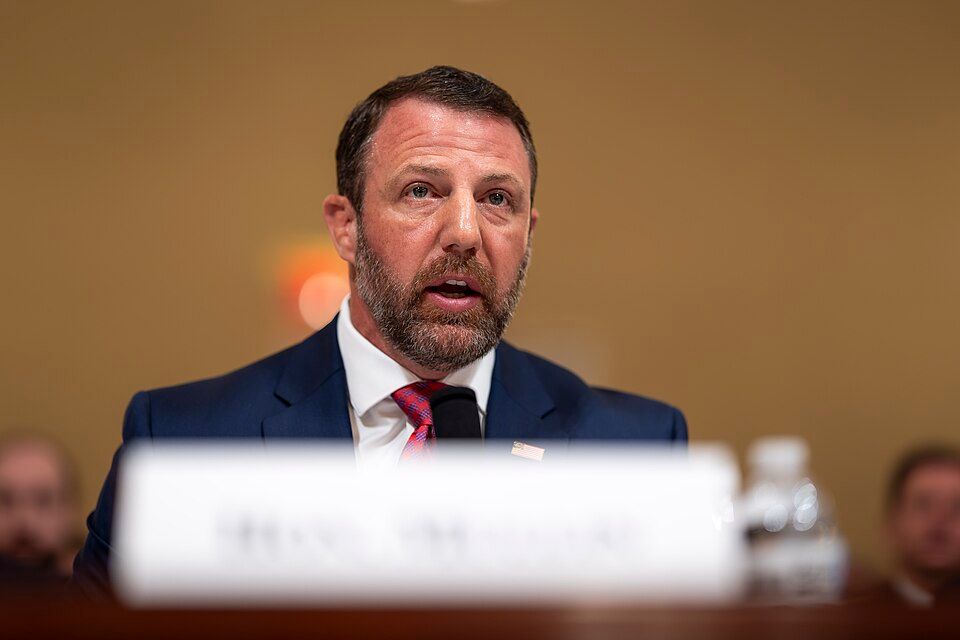
Homeland Security Secretary Markwayne Mullin stated that Haitians holding Temporary Protected Status can pursue permanent legal residency or temporary visas through standard immigration channels following the Supreme Court’s ruling allowing the Trump administration to terminate the program. The 6-3 decision in Mullin v. Doe on June 25, 2026, overturned lower court blocks and permits the end of TPS protections for approximately 350,000 Haitians and 6,000 Syrians.
Mullin appeared on CNN’s “State of the Union” and emphasized that TPS was designed as a temporary measure, not a permanent status. “Temporary Protected Status was never intended to be permanent,” he said. Recipients who have lived in the United States for years have had time to explore other legal options. He outlined clear paths forward: “These individuals have a couple of choices. They can try to apply for a permanent residence here, they can apply for a temporary visa if they choose to, or they can choose to go back.”
The administration will support voluntary departures with airfare and roughly $2,100 in assistance to help individuals reestablish themselves in their home countries. Mullin noted that approval for legal status is not automatic. Individuals with felony convictions, pending criminal charges, or reliance on taxpayer-funded social programs will be ineligible. Cases will undergo individual review, requiring applicants to follow the same regular immigration processes as others seeking lawful entry.
The Supreme Court ruling affirmed broad executive authority over TPS designations. It held that federal law generally bars judicial review of the Department of Homeland Security secretary’s determinations on termination. The Court also rejected claims of unconstitutional racial animus in the Haiti decision. This clears the way for DHS to proceed with ending protections, subject to notice and wind-down periods, despite ongoing broader legal challenges in lower courts.
TPS was established by Congress to provide temporary relief to nationals of countries facing armed conflict, environmental disasters, or other extraordinary conditions that prevent safe return. For Haiti, the designation was extended multiple times amid political instability, gang violence, and natural disasters, including after the 2021 assassination of President Jovenel Moïse. Many recipients entered the United States legally before receiving TPS and have resided here for extended periods. The Trump administration has argued that prolonged use of the program effectively creates de facto permanent residency without congressional authorization.
Mullin addressed safety concerns regarding returns to Haiti by distinguishing the State Department’s Level 4 “Do Not Travel” advisory, which applies to American citizens. “That advisory is to American citizens traveling to Haiti, not Haitians going back home,” he said. He added that rebuilding Haiti requires its own citizens: “It takes the people of Haiti to win their country back. If we really want those countries to succeed, then they need the best of the best to be back in their country.”
The termination affects a significant portion of the roughly 1.3 million people previously covered under TPS across multiple countries. The decision aligns with the administration’s broader enforcement priorities, including ending programs viewed as backdoor amnesty and prioritizing removals of individuals without lawful status. Eligible TPS holders retain work authorization during any wind-down period and may apply for other forms of relief where qualified.
DHS, in coordination with the State Department and President Trump, will continue evaluating country conditions for TPS designations. Individuals facing removal proceedings will have access to standard due process, including opportunities to seek asylum or other protections if they qualify under existing law. The ruling reinforces that TPS decisions rest primarily with the executive branch rather than the courts.
Mullin’s clarification provides straightforward guidance amid the transition. Those wishing to remain must navigate regular immigration pathways on a case-by-case basis. Others may opt for assisted voluntary return. The administration has signaled it will enforce the law consistently while offering practical support for lawful transitions. Further details on implementation timelines and application processes are expected in the coming weeks.
Support Independent Conservative News
RWTNews is independent conservative news — no corporate backing, no agenda driven by advertisers. We rely entirely on readers like you to keep the lights on and the truth coming. If you've found value in what you read here, consider supporting us with a one-time or monthly contribution. Every dollar goes directly toward keeping this site running and growing.
Secured by Stripe. Your payment info is never stored on our servers.