Mixed Signals from U.S. and Iran Cloud Prospects for Next Round of Peace Talks in Pakistan
The first round of direct talks in Islamabad on April 11-12 produced no agreement. Since then, tensions have flared repeatedly in the Strait of Hormuz, including Iranian gunboat attacks on commercial vessels and U.S. seizures of Iran-linked tankers attempting to evade the blockade.
 Tommy Flynn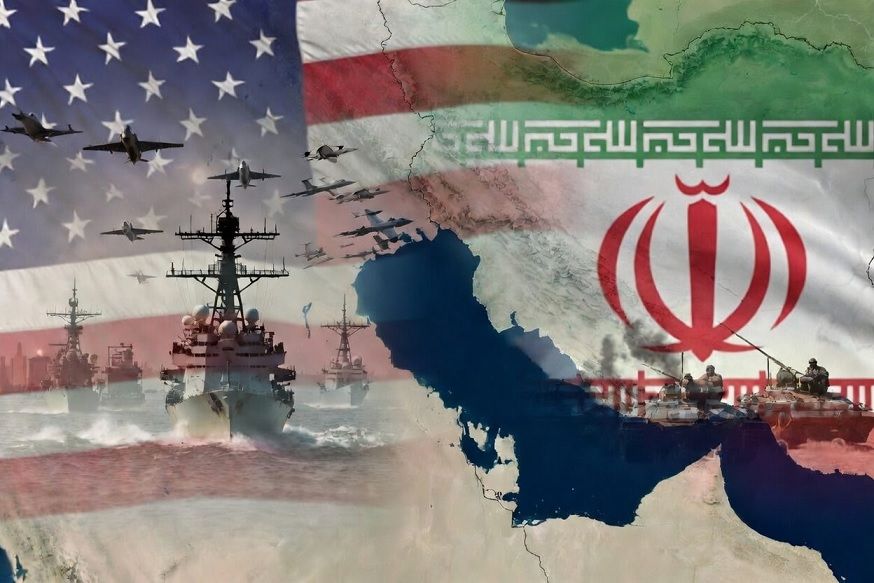
WASHINGTON — U.S. and Iranian officials sent conflicting public messages on April 24, 2026, even as both sides appeared to be moving toward a potential new round of peace talks in Islamabad, Pakistan, amid the fragile ceasefire that has held since early April.
White House press secretary Karoline Leavitt confirmed Friday that special envoy Steve Witkoff and senior adviser Jared Kushner will depart for Islamabad on Saturday morning to meet with Iranian Foreign Minister Abbas Araghchi. Leavitt said the envoys are going “to hear the Iranians out” and expressed hope for progress toward an “everlasting” deal. Vice President JD Vance remains on standby to join if needed.
Hours earlier, Araghchi arrived in the Pakistani capital, raising hopes among Pakistani mediators that direct or indirect discussions could resume. Pakistan has been actively preparing for the talks, with road closures and security measures in place around potential venues.
Yet Iranian officials and state media delivered contradictory signals. Some Iranian sources told reporters Araghchi was in Islamabad only for broader regional discussions and would not meet the U.S. delegation directly. Iranian Foreign Ministry spokesmen have repeatedly described the U.S. approach as lacking “seriousness” and insisted Tehran will not negotiate while the American naval blockade of Iranian ports remains in place. Earlier this week, Iranian media reported that Tehran had delivered a “definitive” rejection of the next round via Pakistani channels.
President Donald Trump has also sent mixed messages. In recent days he has voiced optimism about reaching a deal while warning that failure would trigger severe consequences, including strikes on Iranian infrastructure. Trump has indefinitely extended the ceasefire but kept the blockade fully operational, which has already cost Iran hundreds of millions of dollars daily in lost oil revenue.
The first round of direct talks in Islamabad on April 11-12 produced no agreement. Since then, tensions have flared repeatedly in the Strait of Hormuz, including Iranian gunboat attacks on commercial vessels and U.S. seizures of Iran-linked tankers attempting to evade the blockade.
Pakistani officials continue to urge both sides to return to the table but no confirmed meeting schedule between the U.S. and Iranian teams has been announced.
Support Independent Conservative News
RWTNews is independent conservative news — no corporate backing, no agenda driven by advertisers. We rely entirely on readers like you to keep the lights on and the truth coming. If you've found value in what you read here, consider supporting us with a one-time or monthly contribution. Every dollar goes directly toward keeping this site running and growing.
Secured by Stripe. Your payment info is never stored on our servers.