Minnesota ICE Business Relief Fund Shut Down After Majority of Applications Flagged for Fraud
Hennepin County ended its $2 million small-business recovery fund after flagging more than 200 of roughly 300 applications for fraud. Officials approved only 82 and distributed about $500,000; no flagged applications received taxpayer money.
 RWTNews Staff
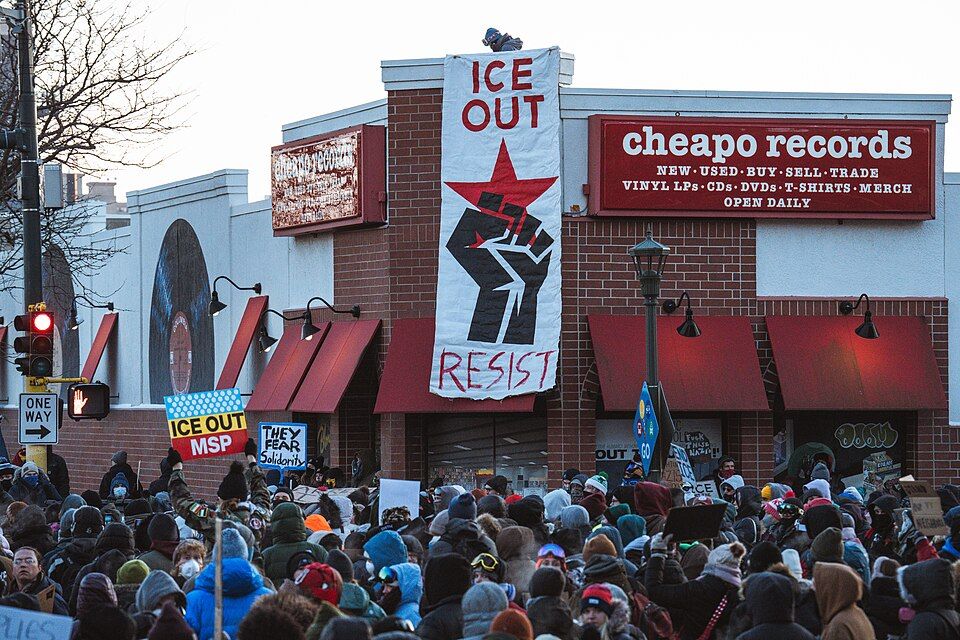
Hennepin County Minnesota officials terminated a $2 million small-business recovery program after identifying widespread indicators of fraud among applicants seeking grants for losses tied to ICE enforcement operation, according to county statements and local reporting.
The Hennepin County Board approved the Small Business Recovery Fund in March 2026 to assist businesses that claimed financial harm from Operation Metro Surge, a large-scale federal immigration enforcement effort that began in December 2025. Grants were structured to range from approximately $3,000 to $10,000, primarily to cover two months of commercial rent or mortgage payments for eligible brick-and-mortar businesses that documented at least a 30 percent revenue decline.
The county received roughly 300 applications. After review by county staff and a nonprofit partner, officials approved only 82 applications as legitimate and distributed about $500,000 before ending further processing. More than 200 applications were flagged for potential fraud. County officials reported that no taxpayer funds were paid to applicants whose submissions raised red flags, because the issues were identified during the evaluation process.
Reviewers identified multiple patterns among the flagged applications. These included near-identical language that appeared to have been generated by artificial intelligence and copied across submissions for different businesses, applications listing businesses that could not be located during site visits, submissions filed in the names of real businesses without the owners’ knowledge, and claims that inflated documented losses. Hennepin County Commissioner Jeff Lunde stated that the volume of questionable applications led officials to conclude that continued processing was yielding diminishing returns of legitimate claims.
“The fact that people, after all this fraud, felt that they could apply and get away with it, I think it’s a problem because clearly there’s no fear out there,” Lunde said in comments reported by local outlets. “Until we get it where people fear things, then they’re gonna keep doing it.” He added that officials stopped the program once the pattern of declining legitimate results became clear.
The county has redirected remaining funds toward lower-risk business support measures, including consulting, marketing assistance, and flexible financing options. The Hennepin County Sheriff’s Office was asked in June to review the applications for possible criminal activity and requested related documents in July. As of mid-September reporting, the sheriff’s office had indicated it would begin a formal investigation once it received the full set of materials.
Operation Metro Surge, the enforcement action that prompted the relief fund, involved a significant deployment of federal immigration officers in the Twin Cities area. During the operation, federal agents fatally shot two U.S. citizens in Minneapolis: Renee Good on January 7 and Alex Pretti on January 24. Those incidents remain the subject of ongoing reviews and disputes over evidence sharing between federal and state authorities.
The closure of the recovery fund occurs against the backdrop of multiple large-scale fraud cases involving Minnesota social-service and pandemic-era programs. Federal prosecutors previously secured convictions in the Feeding Our Future case, which involved roughly $250 million in fraudulent claims under a federal child nutrition program. Additional investigations into other state-administered programs have continued.
County officials have not released a final public tally of applications determined to be fraudulent after full investigation. Lunde and other officials described the majority of the flagged submissions as exhibiting clear fraudulent patterns rather than isolated errors. The program’s termination means the original $2 million allocation was not fully expended on the grants originally intended.
Support Independent Conservative News
RWTNews is independent conservative news — no corporate backing, no agenda driven by advertisers. We rely entirely on readers like you to keep the lights on and the truth coming. If you've found value in what you read here, consider supporting us with a one-time or monthly contribution. Every dollar goes directly toward keeping this site running and growing.
Secured by Stripe. Your payment info is never stored on our servers.