Markets Rally on Trump’s Iran Ceasefire Announcement as Oil Prices Drop Sharply
Oil prices saw the most dramatic move. West Texas Intermediate (WTI) crude for May delivery fell $17.72, or 15.69%, to close at $95.23 per barrel. Brent crude, the international benchmark, fell by a similar percentage.
 Tommy Flynn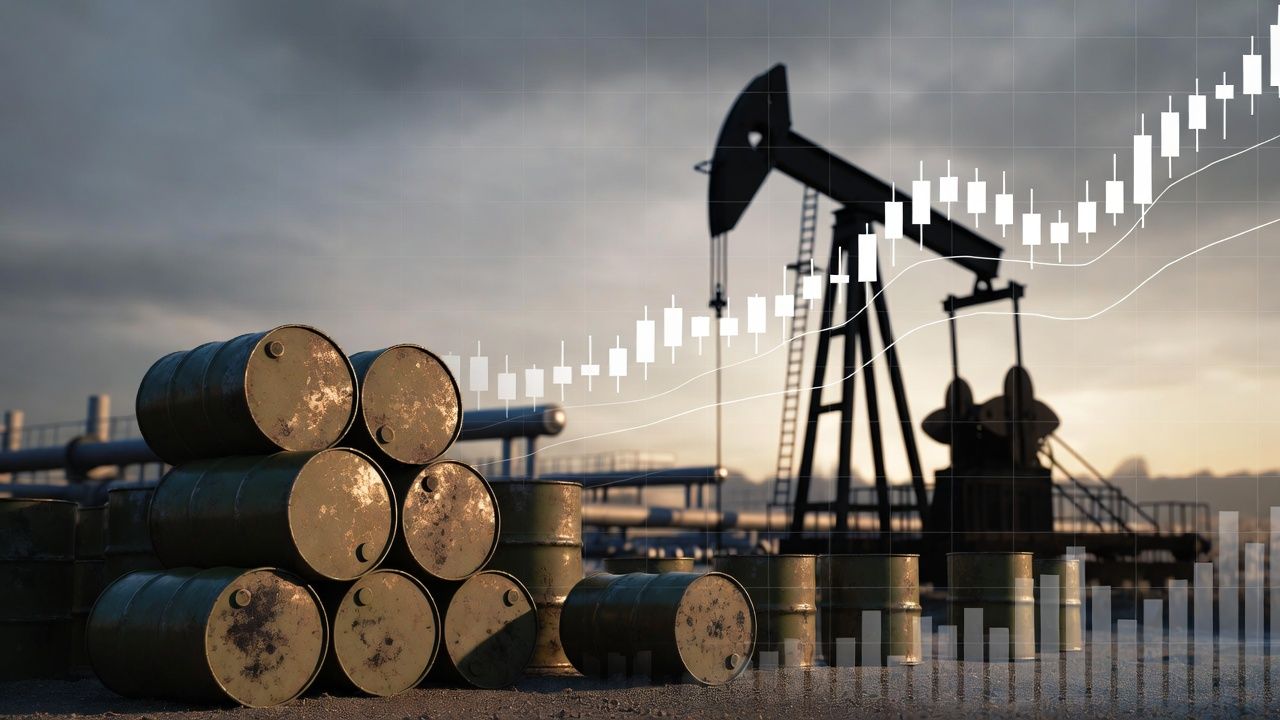
WASHINGTON – U.S. stock markets rose and oil prices fell sharply Tuesday after President Donald Trump announced a Pakistan-brokered two-week ceasefire with Iran, easing immediate fears of prolonged disruption in the Strait of Hormuz.
The announcement, made late Tuesday afternoon, triggered a swift positive reaction across financial markets. The Dow Jones Industrial Average gained more than 400 points in afternoon trading, while the S&P 500 and Nasdaq Composite both rose over 1%. Investors welcomed the temporary de-escalation after six weeks of conflict that had kept energy prices elevated and added uncertainty to global markets.
Oil prices saw the most dramatic move. West Texas Intermediate (WTI) crude for May delivery fell $17.72, or 15.69%, to close at $95.23 per barrel. Brent crude, the international benchmark, fell by a similar percentage. The decline reflected trader expectations that the ceasefire could lead to a gradual reopening of the Strait of Hormuz, a critical chokepoint for roughly one-fifth of global oil shipments.
The immediate market reaction was driven by reduced geopolitical risk premium. Energy stocks, which had benefited from higher oil prices during the conflict, pulled back, while broader equities advanced on the prospect of greater stability in the Middle East.
Looking beyond the initial surge, many investors and analysts remain cautious about the longer-term outlook. Several Wall Street firms noted that while the two-week ceasefire is a positive development, markets are waiting for concrete confirmation that Iran is actually reopening the strait and honoring the terms of the deal. Until verifiable progress is seen on the waterway, analysts say the risk premium will not fully dissipate.
Energy analysts at major banks cautioned that any violation of the ceasefire or delay in reopening the strait could quickly reverse Tuesday’s oil price decline. Goldman Sachs and JPMorgan both issued notes Tuesday stating they are maintaining a “wait-and-see” approach before adjusting longer-term forecasts, citing the fragile nature of the current pause.
The ceasefire announcement follows weeks of intense pressure on Iran through U.S. and Israeli strikes. Trump has made clear the two-week window is conditional on Iran’s full compliance, including the safe reopening of the Strait of Hormuz.
Markets will continue to monitor developments closely in the coming days as indirect negotiations in Islamabad are expected to begin. For now, the initial reaction reflects relief that the immediate threat of major escalation has eased, but sustained optimism will depend on whether the truce holds and the critical shipping lane returns to normal operations.
Join the Team
Are you trying to break into news writing but struggling to get published at major outlets? At RWT News, we're always looking for talented, motivated writers who share our commitment to straightforward, factual conservative journalism. If you believe in honest reporting and want real experience and bylines, we'd love to hear from you.
Visit our Join the Team page to learn more and contact us directly.