Justice Department Accelerates Criminal Probe Into 2022 Dobbs Draft Leak
The Justice Department is accelerating a criminal probe into the 2022 Dobbs draft leak, issuing grand jury subpoenas under U.S. Attorney Jeanine Pirro. The Court’s 2023 inquiry failed to identify the source; statutes of limitations approach in 2027.
 Tommy Flynn
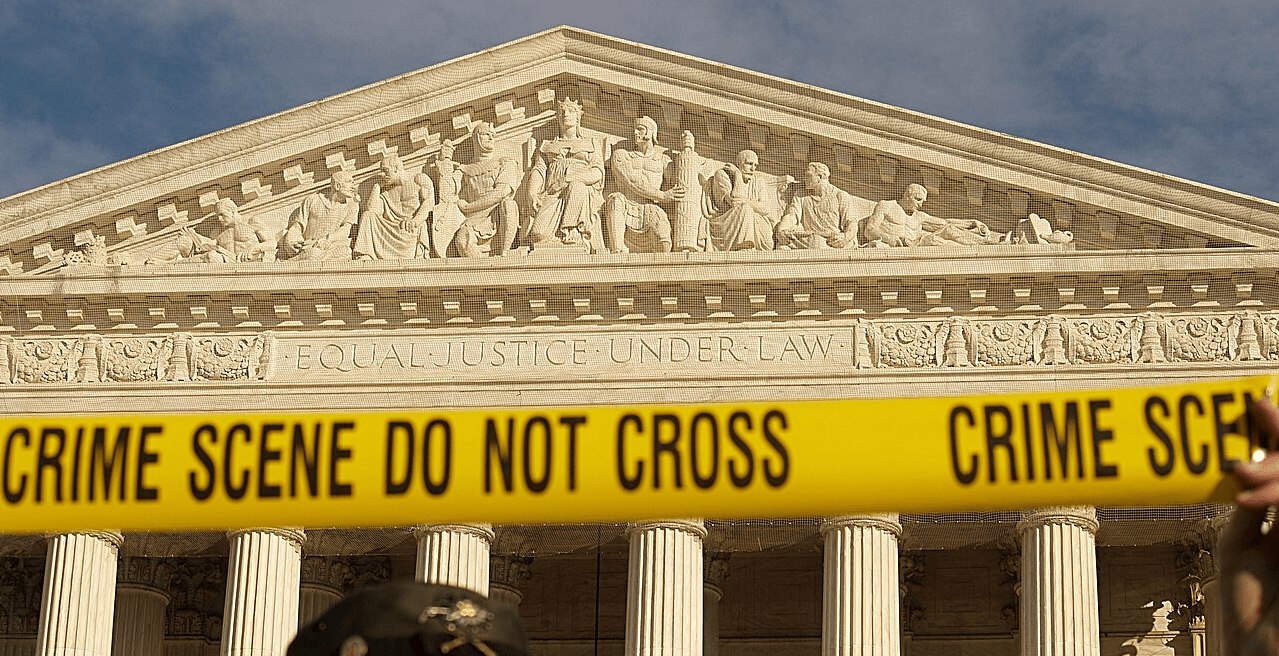
The Justice Department is pursuing a criminal investigation into the unauthorized release of a draft Supreme Court opinion in Dobbs v. Jackson Women’s Health Organization, the 2022 ruling that overturned Roe v. Wade. Prosecutors have accelerated the inquiry in recent weeks by issuing grand jury subpoenas and seeking information from individuals who worked at the Court when the draft was disclosed, according to reporting by The New York Times citing people familiar with the matter.
U.S. Attorney Jeanine Pirro of the District of Columbia is overseeing the investigation. She has assigned one of her senior prosecutors, Carlton Davis, along with several career prosecutors to the effort. A Department of Justice spokesperson has declined to confirm or deny the existence of the inquiry, consistent with the department’s general policy on ongoing investigations. The New York Times first reported the criminal nature of the probe; other outlets, including National Review and the New York Post, have confirmed elements of the account with sources.
The draft majority opinion, authored by Justice Samuel Alito, was published by Politico on May 2, 2022—roughly two months before the Court issued its final decision on June 24. Chief Justice John Roberts immediately ordered an internal investigation, calling the disclosure an “egregious breach of trust.” Supreme Court Marshal Gail Curley led the inquiry, which included interviews with 97 staff members and law clerks who signed affidavits stating they had not disclosed the document. Justices were consulted but not formally interviewed. In a January 2023 report, the Court stated that investigators were “unable to identify a person responsible by a preponderance of the evidence.” The report noted shortcomings in document security and information systems and said it could not rule out inadvertent disclosure.
Alito has stated publicly that he has “a pretty good idea who is responsible” but lacks the evidence required to name an individual. In a 2023 interview with The Wall Street Journal, he described the leak as part of an effort “to prevent the Dobbs draft from becoming the decision of the court” and said justices thought to support overturning Roe became “targets of assassination.” In more recent comments to Fox News, Alito reiterated that he holds an opinion on the matter while emphasizing that available evidence does not meet the threshold for public identification. Justice Elena Kagan has told Congress the Court will “pursue it till the end.”
No federal statute specifically criminalizes the unauthorized disclosure of a Supreme Court draft opinion. Prosecutors could potentially pursue charges under laws prohibiting theft of government property or false statements made during the Court’s internal investigation, according to legal analysts cited in reporting. Several potentially applicable statutes carry five-year statutes of limitations that would expire in spring 2027. The investigation has been under review at the FBI and Justice Department since at least 2025; former FBI Deputy Director Dan Bongino publicly noted the matter as one of several cases receiving ongoing attention.
President Trump has stated that the person responsible “should be found.” The leak prompted widespread protests, heightened security around justices, and the arrest of an individual near Justice Brett Kavanaugh’s home who was later convicted of attempting to assassinate a Supreme Court justice. The Court’s internal report concluded that online speculation identifying particular clerks was unsubstantiated.
The extent of the Court’s cooperation with the current criminal inquiry—including any turnover of internal records or interviews with current or former personnel—has not been publicly detailed. Supreme Court spokeswoman Patricia McCabe did not respond to questions from The New York Times on the matter. The investigation remains ongoing as the relevant statutes of limitations approach.
Join the Team
Are you trying to break into news writing but struggling to get published at major outlets? At RWT News, we're always looking for talented, motivated writers who share our commitment to straightforward, factual conservative journalism. If you believe in honest reporting and want real experience and bylines, we'd love to hear from you.
Visit our Join the Team page to learn more and contact us directly.