Judge Extends Ban on USPS Mail-Ballot Rules as Midterm Ballots Begin Going Out; White House Already at Supreme Court
Talwani converted her TRO into a midterm-length injunction Friday as North Carolina started mailing ballots; Sauer had already asked the Court to lift the block.
 Tommy Flynn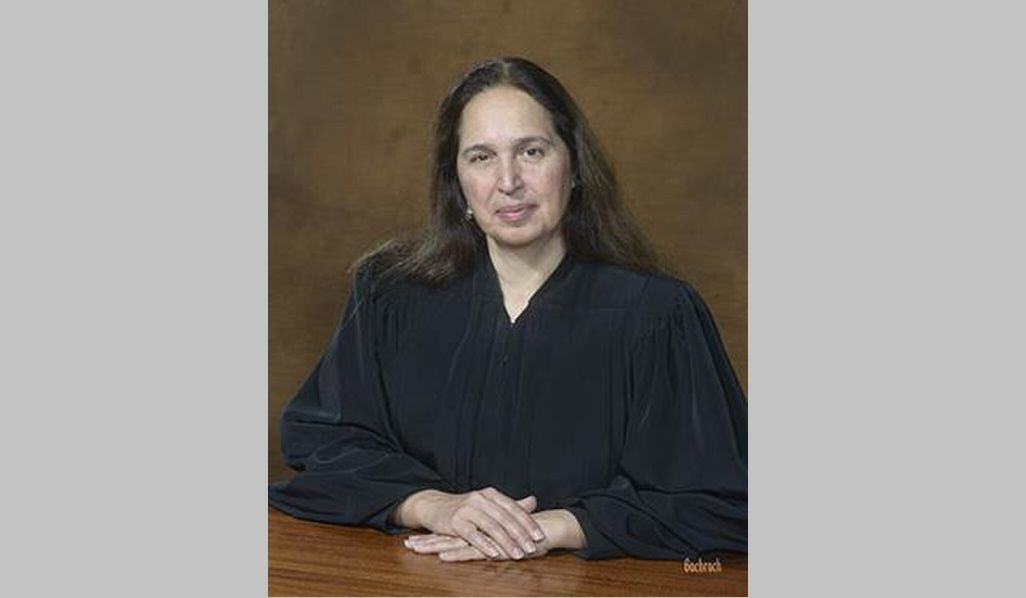
U.S. District issued a preliminary injunction Friday blocking the Postal Service from enforcing its finalized “Ballot Mail for Federal Elections” rule through the Nov. 3 midterms. The 49-page order replaces a 14-day temporary restraining order she entered Aug. 27 and comes as North Carolina began mailing ballots Friday and some Wisconsin municipalities had already sent them. Two dozen Democratic-led states and voting-rights groups brought the challenge. The Justice Department asked the Supreme Court on Thursday — before Talwani ruled — to lift the earlier block. Justice Ketanji Brown Jackson set a Tuesday morning deadline for the states and groups to respond.
The rule, published Aug. 26 at 91 Fed. Reg. 54966 and written into the Domestic Mail Manual, applies only to federal ballot mail. States that use USPS for mail or absentee ballots would have to put outbound and return envelopes through agency design review, print the official Election Mail logo, make the pieces automation-compatible, and apply unique Intelligent Mail barcodes with a federal-ballot service-type identifier. Chief election officials would upload names, addresses, and those barcodes into a USPS portal that would generate state-specific “Mail-In and Absentee Participation Lists.” Postal workers would check outbound pieces against the portal before acceptance. Mail that did not match “will not be accepted and will be returned” to election offices. The Postal Service has said it would not independently verify citizenship or rewrite a state’s list; the list would be built only from data the state submitted. The administration has described the requirements as modest envelope and addressee rules that “should not prevent a single voter from voting by mail.”
Talwani, an Obama appointee sitting in Boston, held that the final rule is likely unconstitutional and that USPS likely exceeded its authority. “Unauthorized by the Elections Clause, the Final Rule clashes with Congress’s statutory scheme, and is unconstitutional where it intrudes not only on Congress’s Elections Clause powers but also that power left to the States,” she wrote. She said Congress has not authorized the Postal Service to condition use of the mail for ballots on new state requirements, and that the rule “impermissibly establishes a new category of nonmailable material.” On timing she wrote that plaintiff states “are required under state law to mail millions of ballots to voters on a prescribed timeframe” and “are unable to pivot this late in the election cycle, nearly guaranteeing significant disenfranchisement for eligible voters.” She also wrote that “the record includes no evidence relating to fraudulent mail voting to support the rushed implementation of the Final Rule.” The injunction covers the Nov. 3 election and any earlier federal contest. It does not bar non-binding USPS guidance on envelope design. The judge directed government lawyers to notify postal officials they can be held in contempt if they violate the order. She found USPS had finalized the rule despite an earlier injunction but did not hold anyone in contempt after the Supreme Court’s procedural ruling.
The fight started with President Trump’s March 31 Executive Order 14399, “Ensuring Citizenship Verification and Integrity in Federal Elections,” which directed USPS, among other agencies, to refuse noncompliant ballot mail and to handle ballots only for voters on preapproved lists. Talwani blocked key parts of that order for the 2026 cycle. The Supreme Court later stayed that injunction 6–3 on the ground that the challenge was premature because USPS had not yet issued a final regulation. The agency published the final rule late on Aug. 26. Plaintiffs refiled. Talwani issued the 14-day TRO the next day, held a hearing Thursday, and converted the pause into a midterm-length preliminary injunction Friday. At the hearing she told Justice Department lawyer Michael Velchik she had “nothing from the USPS about how this will happen” with about 70 days until Election Day. Government counsel said that if the block continued they would go to the Supreme Court rather than wait on the First Circuit. Solicitor General D. John Sauer’s emergency application argues the rule regulates the mail, not elections; that states that choose the federal posts cannot exempt ballot envelopes from design and addressee standards Congress gave USPS power to set; and that the district-court order nullifies an effort to address mail-ballot fraud that “dilutes the votes of lawful voters.” The First Circuit has not acted on the parallel appeal. More states are scheduled to begin mailing ballots around mid-September. Any Supreme Court ruling is unlikely before next week.
Support Independent Conservative News
RWTNews is independent conservative news — no corporate backing, no agenda driven by advertisers. We rely entirely on readers like you to keep the lights on and the truth coming. If you've found value in what you read here, consider supporting us with a one-time or monthly contribution. Every dollar goes directly toward keeping this site running and growing.
Secured by Stripe. Your payment info is never stored on our servers.