Iran-US Direct Peace Talks Collapse Over Nuclear Program as Trump Signals Naval Blockade
The Islamabad talks marked the first direct, high-level face-to-face negotiations between the United States and Iran since the founding of the Islamic Republic in 1979.
 Tommy Flynn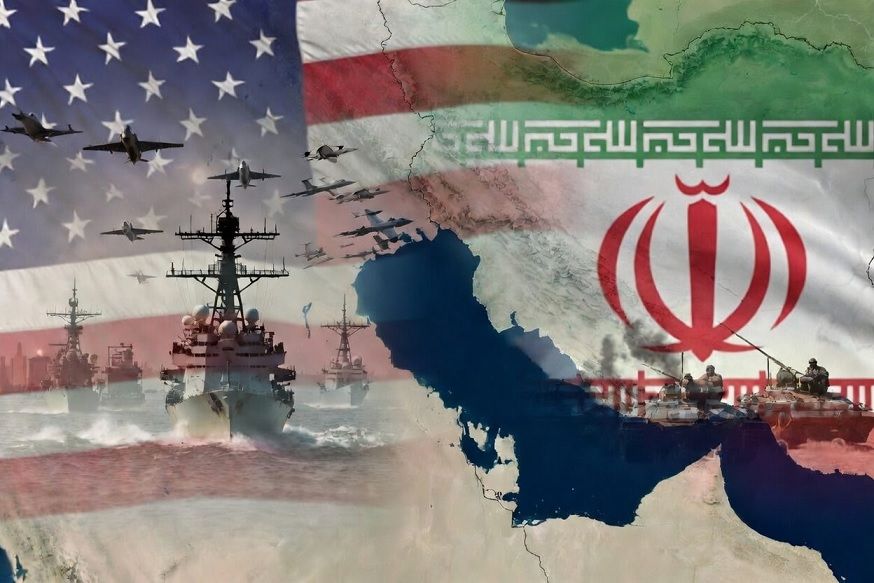
WASHINGTON – High-level direct peace talks between the United States and Iran in Islamabad, Pakistan, ended without agreement on April 11, 2026, after nearly 21 hours of negotiations, primarily due to Iran’s refusal to commit to ending its nuclear weapons program.
Vice President JD Vance, who led the U.S. delegation alongside special envoy Steve Witkoff and Jared Kushner, announced the failure of the talks. Vance stated that Iran had rejected Washington’s “final and best offer,” which required a firm commitment that Tehran would not seek a nuclear weapon or the tools to rapidly achieve one.
The Islamabad talks marked the first direct, high-level face-to-face negotiations between the United States and Iran since the founding of the Islamic Republic in 1979. They were intended to build on the fragile two-week ceasefire announced by President Donald Trump on April 8, which was conditional on Iran immediately and safely reopening the Strait of Hormuz to commercial shipping.
The breakdown leaves the two-week ceasefire in serious doubt. Iran has not fully withdrawn its mines and missile systems from the Strait of Hormuz, and shipping traffic remains severely restricted. U.S. officials have warned that continued Iranian obstruction of the strait or failure to engage seriously in negotiations will lead to resumed military operations, including potential strikes on Iranian oil infrastructure.
The collapse comes six weeks into the conflict that began with U.S. and Israeli strikes on February 28, 2026. Iran responded with missile and drone attacks on U.S. and allied targets and by mining parts of the Strait of Hormuz, a critical chokepoint for roughly one-fifth of global oil shipments.
Gulf Arab states most directly threatened by Iran have privately urged the United States to maintain maximum pressure. European allies have shown continued reluctance to commit naval forces to help secure the waterway.
The Trump administration has made clear that the window for a negotiated resolution is rapidly closing. Pentagon officials continue to maintain heightened readiness in the region for potential follow-on action if the ceasefire fully collapses.
This remains a fast-moving situation with significant implications for global energy markets and regional stability. No immediate new military action has been announced, but the breakdown of direct talks increases the risk of renewed escalation.
Support Independent Conservative News
RWTNews is independent conservative news — no corporate backing, no agenda driven by advertisers. We rely entirely on readers like you to keep the lights on and the truth coming. If you've found value in what you read here, consider supporting us with a one-time or monthly contribution. Every dollar goes directly toward keeping this site running and growing.
Secured by Stripe. Your payment info is never stored on our servers.