Iran Threatens to Disrupt Bab el-Mandeb Strait, Raising Stakes in Ongoing Conflict with U.S. and Israel
Iran relies on asymmetric tactics through proxies such as the Iran-backed Houthis in Yemen, who have already conducted attacks on commercial vessels in the Red Sea. Houthi leaders stated they are “ready to join the war” and assist in controlling the strait if provoked.
 Tommy Flynn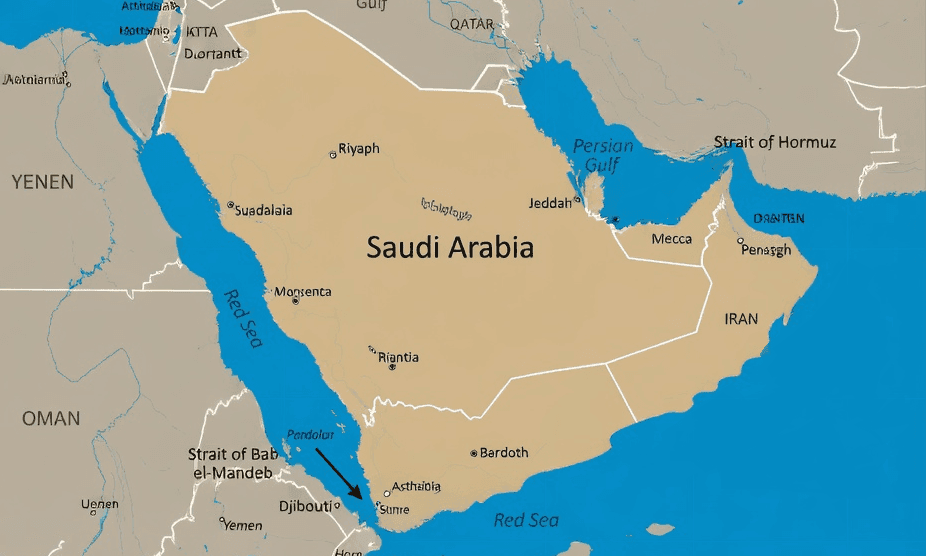
WASHINGTON – Iran has signaled it could open a new front by disrupting the Bab el-Mandeb Strait if the United States or Israel escalates attacks on Iranian infrastructure or launches ground operations, according to an Iranian military source cited by the Islamic Revolutionary Guard Corps-affiliated Tasnim News Agency.
The warning, reported March 25-26, 2026, comes as the conflict that began with U.S. and Israeli strikes on Feb. 28, 2026, continues and follows Iran’s earlier threats to the Strait of Hormuz. Tehran has already disrupted shipping in Hormuz, rattling global energy markets.
The Bab el-Mandeb Strait, a narrow 20-mile-wide passage between Yemen and Djibouti connecting the Red Sea to the Gulf of Aden, handles roughly 10-12% of global oil and natural gas shipments and $1 trillion in annual goods trade, including food, electronics, and consumer products. Analysts say even limited Houthi attacks using missiles, drones, or mines could effectively block tanker traffic.
Iran relies on asymmetric tactics through proxies such as the Iran-backed Houthis in Yemen, who have already conducted attacks on commercial vessels in the Red Sea. Houthi leaders stated they are “ready to join the war” and assist in controlling the strait if provoked.
A closure or major disruption could push oil prices as high as $150 per barrel, compounding inflation and economic strain worldwide. Major shipping firms have already begun avoiding the region due to heightened risks.
The Trump administration is pursuing negotiations while maintaining military readiness. White House officials have said the U.S. is prepared to strike harder on Iranian energy targets if Iran refuses terms. President Trump has emphasized America’s upper hand and preference for a peaceful resolution but warned against further provocations.
Legal and military experts note the threat underscores Iran’s strategy to weaponize global trade routes. The U.S. has issued maritime warnings to vessels about potential Houthi activity in the area.
No immediate action has been taken by the Houthis, but analysts warn even a handful of attacks could render operations impossible and escalate the crisis beyond the Persian Gulf. The developments test U.S. leadership as Trump seeks a swift end to hostilities while protecting energy security and international shipping lanes.
Support Independent Conservative News
RWTNews is independent conservative news — no corporate backing, no agenda driven by advertisers. We rely entirely on readers like you to keep the lights on and the truth coming. If you've found value in what you read here, consider supporting us with a one-time or monthly contribution. Every dollar goes directly toward keeping this site running and growing.
Secured by Stripe. Your payment info is never stored on our servers.