Iran Strikes Two Commercial Ships in Strait of Hormuz, Testing Fragile Ceasefire Efforts
The assaults occurred after the expiration of a one-week U.S.-Iran agreement to halt attacks in the waterway and undermined a memorandum of understanding reached less than three weeks earlier, under which Tehran had committed to ceasing such operations.
 Tommy Flynn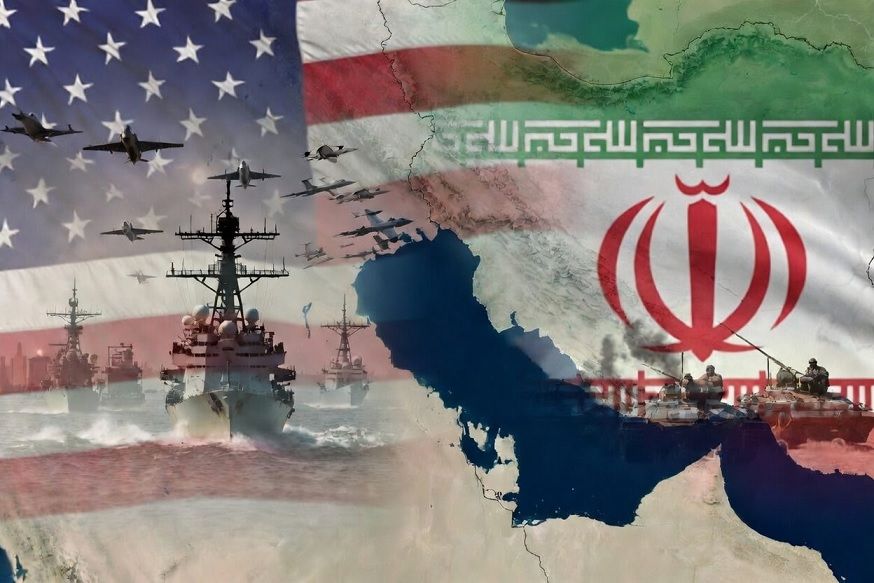
Iran launched missiles and projectiles at two commercial vessels transiting the Strait of Hormuz on Monday night, July 6, 2026, according to U.S. officials and maritime reports. The attacks targeted ships in one of the world’s most critical shipping lanes for global oil and liquefied natural gas, reigniting concerns over maritime security and raising the prospect of further U.S. military action.
One vessel, identified in reports as a Qatari-owned LNG tanker, was struck by an unknown projectile near Oman’s coast, sparking a fire in its engine room. A second ship, described as a Saudi-flagged crude oil supertanker, sustained significant damage from an Iranian missile. Both vessels suffered substantial harm, though no casualties were reported among crews. The United Kingdom Maritime Trade Operations confirmed the incident involving the tanker, while Axios cited two unnamed U.S. officials attributing the strikes to Iran’s Islamic Revolutionary Guard Corps.
The assaults occurred after the expiration of a one-week U.S.-Iran agreement to halt attacks in the waterway and undermined a memorandum of understanding reached less than three weeks earlier, under which Tehran had committed to ceasing such operations. Indirect talks between U.S. and Iranian officials in Doha, Qatar, the previous week ended without meaningful progress on securing the strait. Iranian state media suggested one vessel came under attack after ignoring warnings, though Tehran has not issued an official claim of responsibility.
U.S. officials indicated that strikes against Iranian targets are likely in response, though no immediate retaliatory action had been publicly confirmed as of late Monday. The incidents follow a pattern of Iranian threats and actions in the strait amid broader regional tensions, including prior disputes over shipping lanes and accusations of interference with commercial traffic.
The Strait of Hormuz handles a large share of global oil shipments, making disruptions particularly sensitive for energy markets. Recent weeks had seen increased vessel transits through protected routes, but these attacks highlight the vulnerability of even escorted or monitored passages. Analysts note that renewed hostilities could drive up oil prices and complicate ongoing diplomatic efforts to stabilize the region.
The U.S. has maintained a presence to safeguard freedom of navigation in the area, with officials emphasizing the need to deter further aggression against international commerce. The latest strikes come as talks on broader security arrangements, including potential follow-up meetings, face fresh obstacles from the escalation.
Join the Team
Are you trying to break into news writing but struggling to get published at major outlets? At RWT News, we're always looking for talented, motivated writers who share our commitment to straightforward, factual conservative journalism. If you believe in honest reporting and want real experience and bylines, we'd love to hear from you.
Visit our Join the Team page to learn more and contact us directly.