Iran Rejects U.S. 15-Point Ceasefire Proposal, Issues Counter-Demands as Attacks Continue Across Middle East
he proposal, delivered to Tehran through Pakistani mediators, addressed sanctions relief, a rollback of Iran’s nuclear program, limits on ballistic missiles, restrictions on support for regional proxy groups, and reopening the Strait of Hormuz, through which roughly one-fifth of global oil shipments pass.
 Tommy Flynn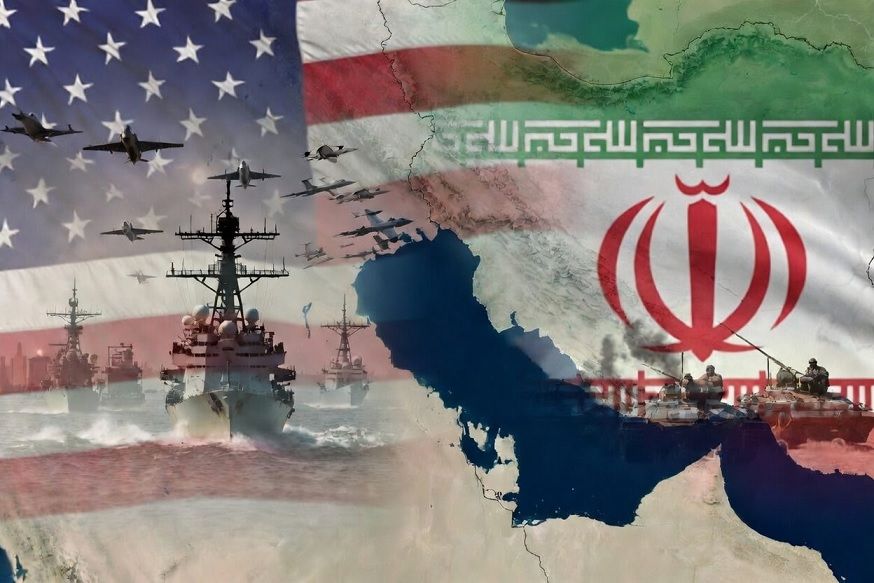
DUBAI, United Arab Emirates – Iran publicly rejected a 15-point U.S. ceasefire proposal on March 25, 2026, and outlined its own five-point conditions for ending the conflict, even as Iranian forces launched fresh attacks on Israel and Gulf Arab states.
The proposal, delivered to Tehran through Pakistani mediators, addressed sanctions relief, a rollback of Iran’s nuclear program, limits on ballistic missiles, restrictions on support for regional proxy groups, and reopening the Strait of Hormuz, through which roughly one-fifth of global oil shipments pass. Officials from Pakistan and Egypt described the document as a comprehensive framework for a ceasefire, building on earlier indirect discussions.
Iranian state television’s English-language channel, Press TV, quoted an anonymous senior official confirming receipt of the plan and rejecting it outright. “Iran will end the war when it decides to do so and when its own conditions are met,” the official stated. “No negotiations will be held prior to that.”
Lt. Col. Ebrahim Zolfaghari, spokesman for Iran’s Khatam al-Anbiya Central Headquarters, issued a stronger dismissal on state media, calling the U.S. effort illogical. “Someone like us will never come to terms with someone like you,” he said. “Do not call your defeat an agreement. Have your internal conflicts reached the point where you are negotiating with yourselves?”
Iran instead listed five non-negotiable conditions for any end to hostilities:
A full halt to “aggression and assassinations” by the United States and Israel.
Concrete guarantees that no future war will be imposed on Iran.
Guaranteed and clearly defined payment of war reparations.
An immediate end to the war on all fronts, including for all regional resistance groups aligned with Tehran.
Full international recognition and guarantees of Iran’s sovereign authority over the Strait of Hormuz.
The rejection came hours after mediators floated the possibility of high-level talks in Pakistan or Turkey as soon as this week. Iranian officials, including Foreign Ministry spokesman Esmaeil Baghaei, continued to deny any direct or substantive negotiations with Washington, citing past “catastrophic experiences” with U.S. diplomacy.
Despite the diplomatic setback, Iranian-backed forces maintained pressure across the region. Strikes included drone attacks that sparked a large fire at Kuwait International Airport, additional drone incursions over Saudi Arabia’s Eastern Province, and missile alerts in Bahrain and Israel. Hezbollah continued daily rocket fire into northern Israel.
Israel responded with multiple waves of airstrikes on Tehran and other Iranian targets, including a submarine development center in Isfahan. The Pentagon is preparing to deploy roughly 3,000 troops from the 82nd Airborne Division’s Immediate Response Force, along with additional Marines and sailors, to support regional operations.
The war, which intensified after U.S. and Israeli strikes began on February 28, 2026, has caused more than 1,500 Iranian deaths according to Tehran’s Health Ministry, at least 20 Israeli deaths, 13 U.S. military fatalities, and over 1,000 deaths in Lebanon. Oil prices, which spiked above $120 per barrel earlier in the conflict, fell on reports of the U.S. proposal but remain elevated amid ongoing disruptions in the Strait of Hormuz.
President Donald Trump has described recent communications as “very good and productive” and postponed certain planned strikes on Iranian energy infrastructure. However, Iranian leadership has repeatedly characterized such statements as attempts to manipulate markets and buy time. No ceasefire or in-person summit has been scheduled.
Support Independent Conservative News
RWTNews is independent conservative news — no corporate backing, no agenda driven by advertisers. We rely entirely on readers like you to keep the lights on and the truth coming. If you've found value in what you read here, consider supporting us with a one-time or monthly contribution. Every dollar goes directly toward keeping this site running and growing.
Secured by Stripe. Your payment info is never stored on our servers.