Iran Offers U.S. Deal to Reopen Strait of Hormuz, Seeks to Separate Issue from Nuclear Talks
The move comes days after President Donald Trump canceled a planned trip by special envoy Steve Witkoff and senior adviser Jared Kushner to Islamabad for direct or indirect talks.
 Tommy Flynn
We're covering the Republican midterm convention live from Dallas. A last-minute change to our assigned press location by organizers means we've shifted to roaming, on-the-ground coverage — live in short bursts, with clips throughout.
Follow on Facebook and X for updates as it happens.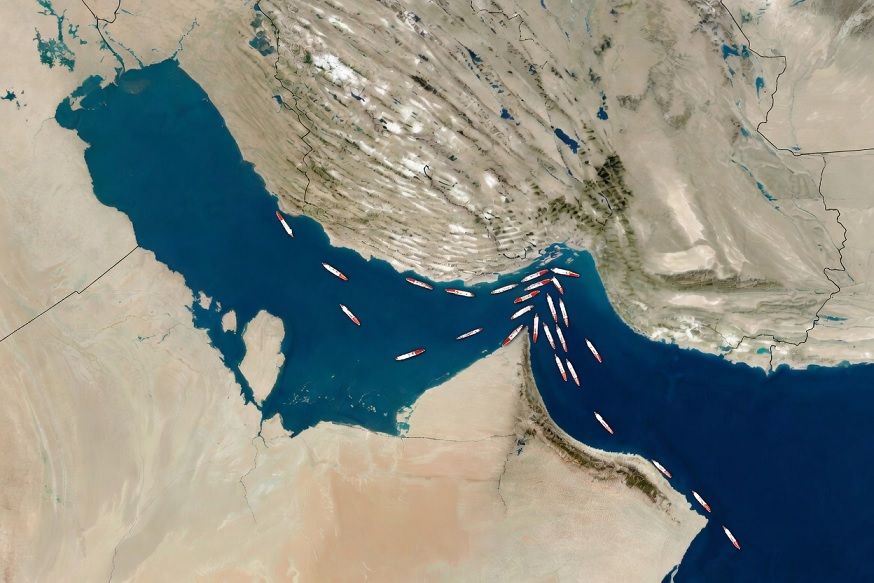
WASHINGTON — Iran has submitted a new proposal to the United States through Pakistani intermediaries seeking to reopen the Strait of Hormuz in exchange for the lifting of the U.S. naval blockade on Iranian ports, according to U.S. officials and sources familiar with the matter.
The offer, reported Monday by Axios and confirmed across multiple outlets, explicitly separates the reopening of the critical waterway from broader nuclear negotiations, which Tehran wants postponed to a later stage. Iranian officials have described the proposal as a practical step to restore commercial shipping while insisting the U.S. end its blockade before any further talks on the nuclear program.
The move comes days after President Donald Trump canceled a planned trip by special envoy Steve Witkoff and senior adviser Jared Kushner to Islamabad for direct or indirect talks. Trump stated he told his team the envoys would not make the 18-hour flight because “we have all the cards” and Iran “can call us anytime.”
The U.S. naval blockade, imposed in mid-April to enforce sanctions and pressure Tehran, has effectively halted most Iranian oil exports. The Strait of Hormuz handles roughly 20% of global seaborne oil trade and 45-50% of China’s crude imports. The disruption has cost Iran an estimated $500 million per day in lost revenue.
Analysts and shipping data indicate mounting economic pressure on Iran. The country is rapidly running out of onshore oil storage capacity, with reports suggesting only weeks remain before production cuts become unavoidable. Iranian officials and industry sources have warned that prolonged shutdowns could force the capping of wells, potentially causing permanent damage and long-term loss of output. To mitigate the crisis, Iran has begun reactivating retired Very Large Crude Carriers (VLCCs) for floating storage.
Iranian Foreign Minister Abbas Araghchi has been shuttling between Islamabad and Muscat, Oman, in recent days, coordinating with Pakistani mediators while publicly maintaining that nuclear issues will not be discussed until the blockade ends. Tehran has described the Hormuz proposal as a confidence-building measure but continues to reject negotiations under what it calls U.S. “military pressure.”
The Trump administration has not yet publicly responded to the latest Iranian offer. The indefinite ceasefire remains in effect, though repeated incidents in the Strait of Hormuz — including Iranian gunboat actions and U.S. vessel seizures — have kept tensions high.
Iran’s proposal signals growing desperation on the regime’s part due to the economic stranglehold of the blockade, even as Tehran attempts to compartmentalize the talks and avoid immediate nuclear concessions. No new meeting date has been announced.
Join the Team
Are you trying to break into news writing but struggling to get published at major outlets? At RWT News, we're always looking for talented, motivated writers who share our commitment to straightforward, factual conservative journalism. If you believe in honest reporting and want real experience and bylines, we'd love to hear from you.
Visit our Join the Team page to learn more and contact us directly.