Iran Missile Barrage on U.S. Forces Intercepted as Washington and Riyadh Strike Proxies in Iraq; Tehran Rejects Hormuz Deal
The latest developments in the Iran conflict: Iran Missile Barrage on U.S. Forces Intercepted, Washington and Riyadh Strike Proxies in Iraq, Tehran Rejects Hormuz Deal
 Tommy Flynn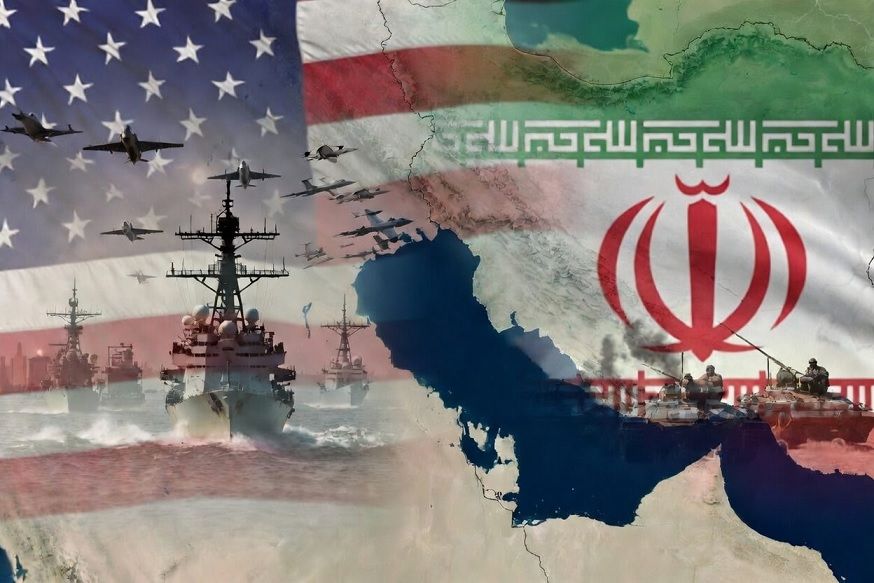
Iran launched a failed ballistic missile attack on American forces in Jordan on Tuesday, while U.S. and Saudi aircraft struck Iran-backed militia targets across eastern Iraq in a joint operation, abruptly ending a short-lived pause in hostilities. At the same time, Tehran formally rejected an Omani proposal for managing traffic through the Strait of Hormuz, dealing another setback to fragile diplomatic efforts.
U.S. Central Command reported that Islamic Revolutionary Guard Corps forces fired multiple ballistic missiles from Iranian territory in what officials described as an attempted surprise attack on U.S. positions in the Middle East. The missiles targeted facilities in Jordan, including the Muwaffaq Salti Air Base. American air defenses intercepted every projectile. Jordanian forces separately confirmed shooting down five missiles. No casualties or damage to U.S. or Jordanian assets were reported.
The Iranian barrage marked the first direct missile strike on American troops since President Donald Trump ordered a pause in U.S. airstrikes against Iranian targets last week to create space for negotiations. CENTCOM said U.S. forces remain at a high state of readiness and warned that further attacks on American personnel or Saudi energy infrastructure would trigger additional responses.
Hours around the same timeframe, U.S. and Saudi fighter aircraft conducted coordinated strikes on multiple logistics and weapons sites belonging to Iran-aligned groups in eastern Iraq. CENTCOM stated the targets were directed by the IRGC and had been used for more than 30 drone attacks over the preceding 72 hours against U.S. forces and Saudi oil facilities. Saudi Arabia had intercepted several drones aimed at its Eastern Province energy infrastructure in the days prior. Iraq’s Popular Mobilization Forces, a coalition of predominantly Iran-backed militias, reported at least 20 fighters killed and 32 wounded in the overnight strikes across several provinces. Iraqi Prime Minister Ali al-Zaidi ordered an investigation and reiterated that Iraqi territory must not be used as a launch point for attacks on neighboring countries.
Saudi participation in the Iraq operation stood out, as Riyadh has generally avoided direct combat roles in the wider conflict. The joint action underscored expanding military coordination between Washington and the kingdom amid persistent proxy threats.
On the diplomatic front, Iran rejected a proposal mediated by Oman for shared or regional management of the Strait of Hormuz. The Omani plan, which had drawn support from Gulf states, envisioned a joint mechanism potentially involving voluntary user fees, modeled in part on arrangements in other strategic waterways, to restore safer commercial shipping. Iranian Deputy Foreign Minister Kazem Gharibabadi said the proposal failed to address Tehran’s security concerns and did not grant Iran sufficient authority over inbound and outbound traffic. Iranian officials insisted on primary control of the inbound route and part of the outbound lane, arguing that a roughly equal division with Oman or broader regional involvement would not serve their interests. A senior Iranian official later told reporters that the Omani framework had no chance of success and that Iran and Oman should manage their respective sections without outside powers.
The Strait of Hormuz remains a central pressure point. Roughly one-fifth of global oil and liquefied natural gas shipments normally transit the waterway. Disruptions since the conflict intensified earlier this year have repeatedly driven energy market volatility. Iran has claimed authority to regulate or halt traffic and has reported actions against vessels it deemed to be using unauthorized routes.President Trump has maintained that the United States is prepared to negotiate but has repeatedly warned that military operations could resume if Iran does not agree to terms that prevent it from obtaining a nuclear weapon. The latest exchanges—missile fire, proxy strikes, and the Hormuz rejection—illustrate how quickly the limited pause can break down. Mediation channels involving Oman, Qatar, and other parties remain open, yet the combination of kinetic actions and diplomatic refusal has raised fresh questions about whether a sustained de-escalation is achievable in the near term.
Join the Team
Are you trying to break into news writing but struggling to get published at major outlets? At RWT News, we're always looking for talented, motivated writers who share our commitment to straightforward, factual conservative journalism. If you believe in honest reporting and want real experience and bylines, we'd love to hear from you.
Visit our Join the Team page to learn more and contact us directly.