Iran Hits Another Tanker on Saturday, US Hits Back
Commercial vessel transits through the strait continued following the latest incidents, according to CENTCOM. U.S. forces remain positioned to protect navigation and respond to further aggression.
 Tommy Flynn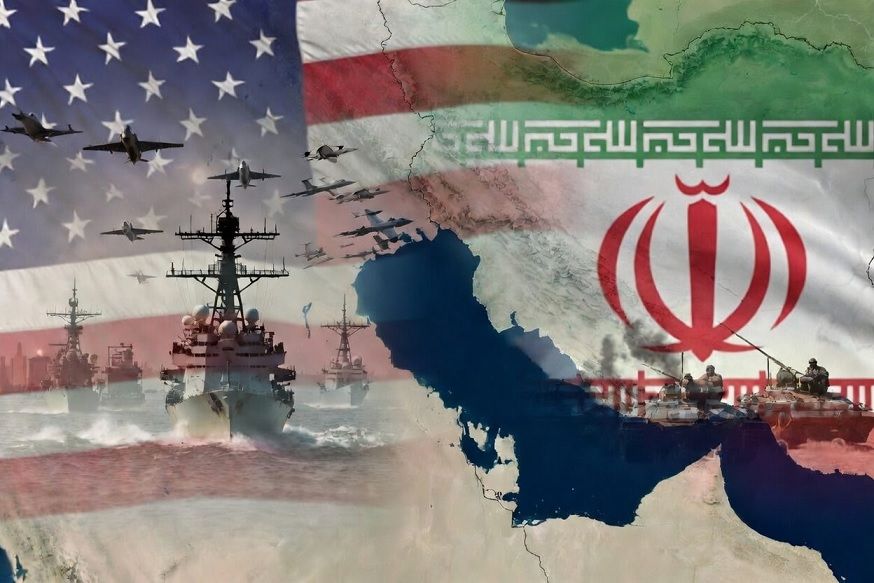
U.S. Central Command conducted additional airstrikes against Iranian military targets on June 27, 2026, in direct response to an Iranian drone attack on the Panama-flagged tanker M/T Kiku earlier that morning. The strikes marked the second round of U.S. military action in as many days following Iranian aggression against commercial shipping in the vital Strait of Hormuz.
Iran launched a one-way attack drone that struck the M/T Kiku while it transited near the Strait of Hormuz around 4:30 a.m. ET. The tanker carried more than two million barrels of crude oil and had departed from Qatar’s Al Shaheen oil field days earlier, bound for the port of Fujairah in the United Arab Emirates. Reports indicated damage to the vessel, though no casualties were immediately confirmed. This incident followed a similar Iranian drone attack the previous day on the M/V Ever Lovely.
CENTCOM stated that the latest U.S. strikes targeted Iranian military surveillance infrastructure, communication systems, air defense sites, drone storage facilities, and minelayer capabilities in and near the Strait of Hormuz. The operation was carried out at the direction of President Donald Trump. CENTCOM described the action as a response to “continued Iranian aggression against commercial shipping” and noted that Iran had been given an opportunity to honor a recent ceasefire agreement but chose not to.
The exchange occurs amid a fragile interim U.S.-Iran understanding reached earlier in June 2026. That memorandum established a 60-day framework for negotiations aimed at ending broader hostilities and ensuring safe passage through the Strait of Hormuz. Vice President JD Vance had previously warned that disputes should be resolved through direct communication rather than violence, stating that “violence will be met with violence.”
Iranian state media and the Islamic Revolutionary Guard Corps reported retaliatory strikes on U.S. military sites in Kuwait and Bahrain. Iranian reports also described explosions near the southern city of Sirik, including strikes on a telecommunications tower, and projectiles targeting a village on Qeshm Island in the strait. These claims have not been independently verified by U.S. sources.
The Strait of Hormuz remains a critical chokepoint for global energy supplies, handling roughly one-fifth of the world’s seaborne oil trade. Attacks on commercial vessels in the waterway raise concerns about disruptions to international shipping and potential impacts on energy prices. U.S. officials have emphasized the need to maintain open navigation and deter threats to maritime commerce.
The rapid sequence of strikes highlights ongoing challenges in enforcing the recent ceasefire framework. U.S. forces have conducted operations to degrade Iranian capabilities used against shipping, while Iran has continued to assert influence over the strait through military actions. President Trump’s administration has prioritized strong responses to Iranian provocations, consistent with efforts to restore deterrence in the region.
Commercial vessel transits through the strait continued following the latest incidents, according to CENTCOM. U.S. forces remain positioned to protect navigation and respond to further aggression. The situation remains fluid, with both sides exchanging accusations over violations of the interim agreement.
The incidents underscore the strategic importance of the Strait of Hormuz and the risks posed by Iranian actions to global trade routes. U.S. military responses aim to protect American interests and those of international partners by holding Iran accountable for attacks on civilian shipping. Further developments will depend on whether diplomatic channels can stabilize the situation or if additional military exchanges occur.
Support Independent Conservative News
RWTNews is independent conservative news — no corporate backing, no agenda driven by advertisers. We rely entirely on readers like you to keep the lights on and the truth coming. If you've found value in what you read here, consider supporting us with a one-time or monthly contribution. Every dollar goes directly toward keeping this site running and growing.
Secured by Stripe. Your payment info is never stored on our servers.