Iran Fires Drones at U.S. Facility in Bahrain for Second Time in Three Days; Defenses Intercept Attack
Iran’s IRGC claimed a second drone attack in three days on a U.S. radar site in Bahrain; Bahraini defenses intercepted the projectiles, with no confirmed damage.
 Tommy Flynn
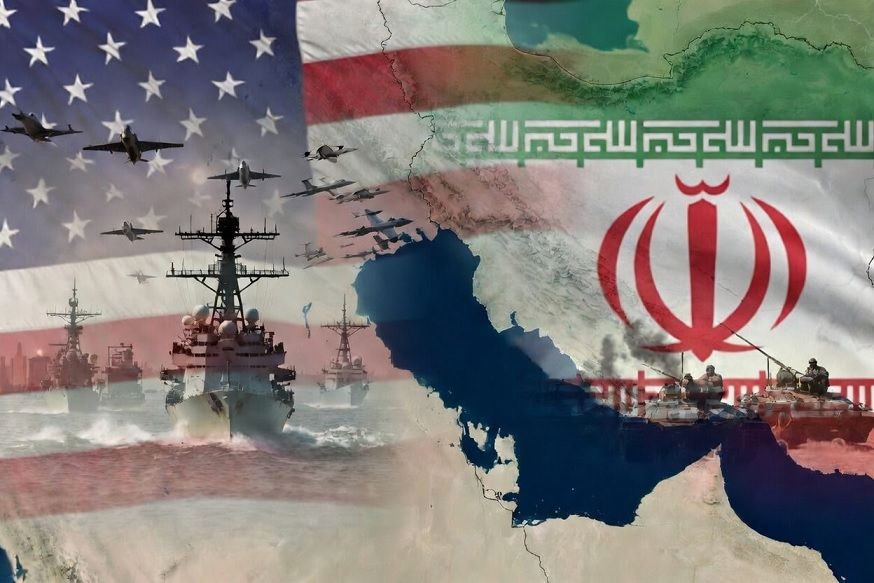
Iran’s Islamic Revolutionary Guard Corps claimed responsibility for launching six drones at a U.S. air-defense radar installation at Bahrain’s al-Riffa base on Sunday, marking the second such attempt in three days. Bahraini authorities said their air defenses intercepted and destroyed the projectiles before they reached targets; the kingdom issued shelter alerts and later condemned the actions as a violation of sovereignty.
The strikes occurred as Saudi-backed Yemeni forces retreated from Red Sea coastal positions under Houthi pressure and days after President Donald Trump indicated to advisers that he might hold off on further major attacks against Iran absent new provocations from Tehran or the Houthis.
Bahrain’s military stated that its systems engaged the incoming threats. The Foreign Ministry held Iran “fully responsible,” rejecting any pretext for using Bahraini territory to settle scores with the United States. The base hosts U.S. forces, including elements tied to the Fifth Fleet. Iranian state media and IRGC-affiliated outlets described the operation as retaliation for “hostile U.S. actions” and reiterated that the Strait of Hormuz remained closed to American interests, warning of stronger responses to any further aggression.
A Friday attempt drew a similar pattern. The IRGC claimed it had struck a U.S. early-warning radar; U.S. Central Command stated that two one-way attack drones were shot down with no injuries or damage. Sunday’s claim of six drones represented an escalation in numbers. Sirens sounded in Bahrain early Sunday, and residents were urged to remain calm and seek shelter.
The incidents fit a broader pattern of pressure. Reuters reported that Iran and its allies advanced on two fronts Sunday: Houthi-aligned forces gained ground in Yemen as government-aligned units pulled back toward Aden, and Iran itself targeted Bahrain. Saudi defenses separately downed Houthi drones entering Mecca-region airspace. Crude flows through the Gulf have continued near pre-war levels in recent weeks despite the naval blockade the Trump administration has maintained.
Trump has publicly stated that the United States does not need a deal with Iran, citing control of frozen funds and the Strait. Private comments to advisers, reported earlier, reflected a preference for continued economic and blockade pressure over immediate further kinetic strikes, partly at the urging of regional partners. The Bahrain attacks constitute the kind of provocation that, under those reported discussions, could reopen the question of resumed operations. U.S. forces remain positioned in the region, including with carrier presence.
Bahrain has faced repeated Iranian drone and missile activity earlier in the conflict but had seen a relative lull until the past week. The kingdom’s interceptions demonstrate functioning air defenses, yet the repeated attempts underscore Iran’s willingness to test U.S. and partner assets while asserting control over Hormuz. No U.S. casualties or significant damage have been confirmed in the weekend incidents.
Join the Team
Are you trying to break into news writing but struggling to get published at major outlets? At RWT News, we're always looking for talented, motivated writers who share our commitment to straightforward, factual conservative journalism. If you believe in honest reporting and want real experience and bylines, we'd love to hear from you.
Visit our Join the Team page to learn more and contact us directly.