Iran Escalates Attacks on Gulf Tankers: Oil Prices Surge as Shipping Halts
The assaults have halted traffic through the Strait of Hormuz, a chokepoint for 20% of global oil and a third of liquefied natural gas. Over 200 vessels remain anchored off Gulf coasts, with hundreds diverted around Africa, adding weeks to voyages.
 Tommy Flynn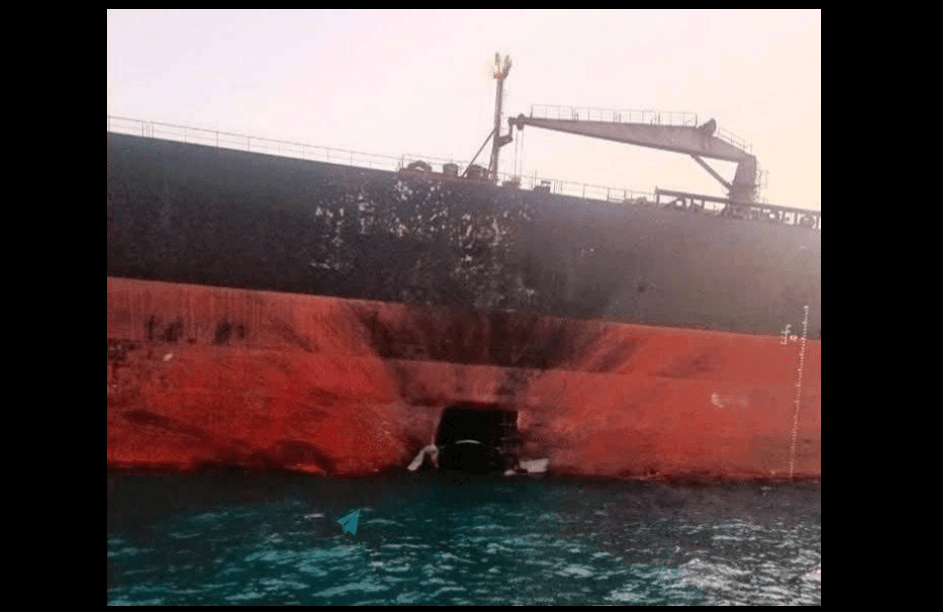
DUBAI – Iranian forces targeted additional oil tankers in the Gulf region Wednesday, damaging at least three vessels and killing one seafarer, escalating disruptions to global energy supplies amid the ongoing U.S. military action against Tehran.
A Bahamas-flagged crude tanker was hit by an Iranian remote-controlled explosive boat near Iraq's Khor al Zubair port, causing an explosion and oil spill. A second tanker off Kuwait suffered port-side damage from a blast, taking on water. A Marshall Islands-flagged vessel, MKD Vyom, was struck by a drone boat in the Gulf of Oman, killing one crew member and injuring several. Since the conflict began February 28, at least nine ships have been attacked, including Palau-flagged and Gibraltar-flagged tankers off Oman and the UAE, with methods including kamikaze drones and missiles.
The assaults have halted traffic through the Strait of Hormuz, a chokepoint for 20% of global oil and a third of liquefied natural gas. Over 200 vessels remain anchored off Gulf coasts, with hundreds diverted around Africa, adding weeks to voyages. Iraq cut production by 1.5 million barrels per day due to storage issues, BP evacuated staff from its Rumaila field after drone incidents, and Qatar paused LNG output—20% of world supply. Oil prices rose 3% to over $78 per barrel, up 14% since the start, while European gas prices climbed 5% to 51.30 euros per megawatt-hour, a 50% weekly increase.
Implications include higher U.S. gasoline costs, strained Asian imports (China urging refiners to cancel shipments), and EU challenges in refilling gas storage without Russian supplies. Maritime insurers have canceled war risk coverage, spiking supertanker rates to record highs.
President Trump directed the Navy to escort tankers if needed and offered DFC political risk insurance to secure flows, deterring further aggression while protecting American energy interests.
To date, the military action—entering its eighth day—has involved over 2,000 strikes achieving air superiority, degrading nuclear and missile sites, sinking an Iranian warship, and eliminating key regime leaders, prompting Iranian retaliations including drone hits on the U.S. Embassy in Riyadh and missile attacks on Gulf allies, with six American service members killed. Reinforcements continue, with Trump projecting four to five weeks of targeted operations to secure U.S. and allied interests.
Join the Team
Are you trying to break into news writing but struggling to get published at major outlets? At RWT News, we're always looking for talented, motivated writers who share our commitment to straightforward, factual conservative journalism. If you believe in honest reporting and want real experience and bylines, we'd love to hear from you.
Visit our Join the Team page to learn more and contact us directly.