Iran Ceasefire Holds Uneasily as Violations and Core Disputes Threaten Collapse
The agreement, reached through intense indirect talks in Islamabad, calls for an immediate halt to major combat operations and the full reopening of the Strait of Hormuz to commercial shipping
 Tommy Flynn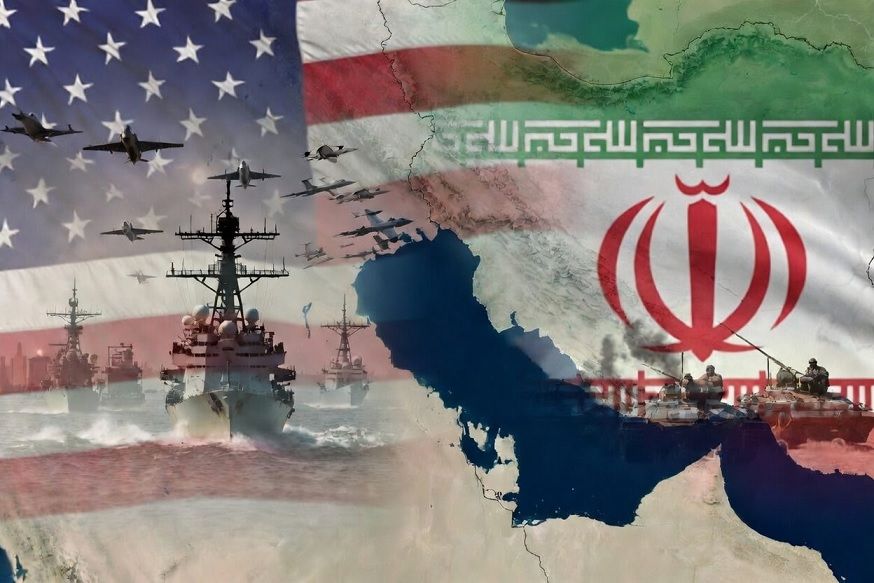
WASHINGTON – The two-week ceasefire between the United States, Israel, and Iran, brokered by Pakistan and announced by President Donald Trump on April 8, 2026, remains in effect but is already showing signs of severe strain just 24 hours after it began.
The agreement, reached through intense indirect talks in Islamabad, calls for an immediate halt to major combat operations and the full reopening of the Strait of Hormuz to commercial shipping. In exchange, the U.S. agreed to pause further strikes on Iranian targets for 14 days to allow negotiations on a longer-term deal covering Iran’s nuclear program, ballistic missiles, and proxy activities.
However, fighting has not fully stopped. On April 9, Israeli forces conducted airstrikes in Lebanon targeting Hezbollah positions, which Iran immediately labeled a “clear violation” of the ceasefire. Iranian state media and officials in Tehran accused Israel of continuing aggression under the cover of the truce, while Israeli officials described the strikes as defensive responses to ongoing Hezbollah rocket fire.
The Strait of Hormuz also remains only partially open. While some commercial vessels have begun moving again, Iranian forces have not yet fully withdrawn mines and missile systems from the waterway, according to U.S. and Gulf shipping monitors.
Background of the Conflict
The ceasefire follows a 38-day war that began on February 28, 2026, when the U.S. and Israel launched coordinated strikes on Iranian nuclear facilities, missile bases, and IRGC command centers. Iran responded with missile and drone attacks on U.S. bases, Israeli cities, and Gulf shipping, while heavily mining parts of the Strait of Hormuz. The disruption caused global oil prices to spike and created fuel shortages in several nations.
Current Sticking Points
Experts describe the truce as extremely fragile. Major unresolved issues include:
- Iran’s refusal to accept verifiable limits on its nuclear enrichment program.
- Iran’s insistence on maintaining effective control over the Strait of Hormuz.
- Continued Iranian support for proxy militias, particularly Hezbollah in Lebanon.
- Tehran’s insistence on significant sanctions relief before making concessions.
Analysts at the Center for Strategic and International Studies (CSIS) and the Peterson Institute for International Economics (PIIE) both warned that without rapid, verifiable progress on the Strait of Hormuz and nuclear issues, the ceasefire is unlikely to last the full two weeks. “Mutual distrust is extremely high,” one CSIS analyst noted. “Both sides are posturing while preparing for the next round.”
The Trump administration continues to insist the deadline for a broader agreement is firm. Senior officials have said that any significant violation — including failure to fully reopen the strait — would end the ceasefire immediately and trigger renewed U.S. strikes on Iranian oil infrastructure.
Negotiations in Islamabad are expected to continue over the next several days. Pakistan, Egypt, and several Gulf states are actively involved in mediation efforts. As of now, the ceasefire has prevented major new escalation, but the risk of collapse remains high.
Join the Team
Are you trying to break into news writing but struggling to get published at major outlets? At RWT News, we're always looking for talented, motivated writers who share our commitment to straightforward, factual conservative journalism. If you believe in honest reporting and want real experience and bylines, we'd love to hear from you.
Visit our Join the Team page to learn more and contact us directly.