Iran Breaks Ceasefire with Attacks on Civilian Shipping and UAE Targets; U.S. Sinks 6 Iranian Boats in Response
According to U.S. Central Command, American forces defeated multiple Iranian threats, including cruise missiles, drones, and small boats directed at civilian shipping.
 Tommy Flynn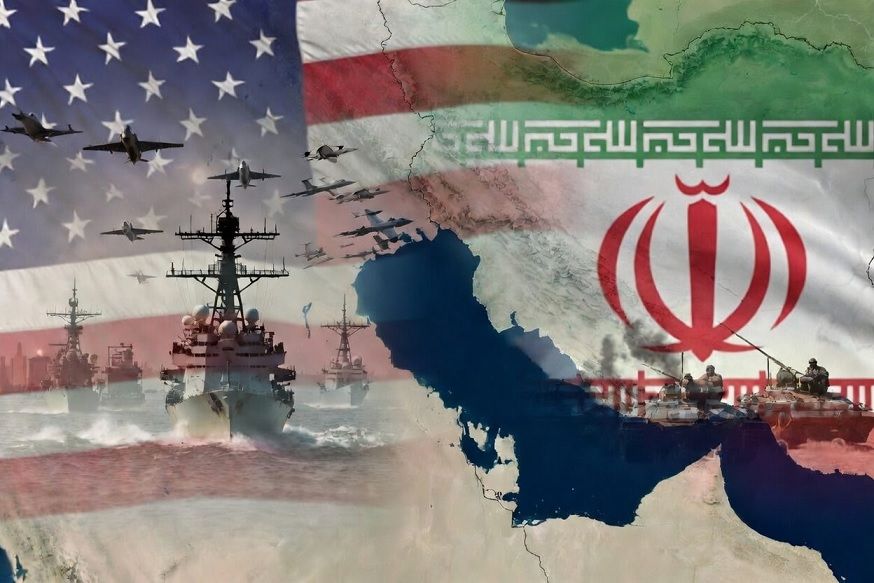
WASHINGTON — Iran has broken the fragile indefinite ceasefire with the United States by attacking civilian shipping in the Strait of Hormuz and launching missiles and drones toward the United Arab Emirates, prompting a direct U.S. military response that included the sinking of six Iranian small boats targeting merchant vessels.
The attacks began Sunday as the U.S. launched “Project Freedom,” an operation to guide stranded commercial ships safely out of the strait. According to U.S. Central Command, American forces defeated multiple Iranian threats, including cruise missiles, drones, and small boats directed at civilian shipping. Adm. Brad Cooper, commander of U.S. Central Command, confirmed that U.S. military helicopters sank six Iranian small boats that were actively targeting merchant vessels. Two American-flagged merchant ships successfully transited the strait under U.S. protection.
The United Arab Emirates reported that Iran launched four cruise missiles toward its territory, with three shot down and one falling into the sea. A drone strike sparked a fire at an oil facility in the eastern emirate of Fujairah, wounding three Indian nationals. The UAE also accused Iran of targeting a tanker linked to its main oil company with two drones. A South Korean-operated ship anchored near the strait reported an explosion and fire.
Iran’s military command stated that any foreign military force attempting to enter or approach the Strait of Hormuz would be targeted, calling the U.S. operation a ceasefire violation. Iranian officials described the American effort as “piracy” and vowed a swift response.
The ceasefire, brokered in early April after U.S. and Israeli strikes on Iranian targets, had paused major fighting but left the U.S. naval blockade of Iranian ports in place. The blockade has severely restricted Iranian oil exports and cost Tehran hundreds of millions of dollars daily. Iran has repeatedly demanded the blockade be lifted as a precondition for broader talks, while the U.S. has insisted any final deal must include verifiable limits on Iran’s nuclear program.
President Donald Trump announced Project Freedom on Sunday as a humanitarian effort to assist neutral commercial vessels stranded in the region due to Iranian restrictions. He warned that any interference would be “dealt with forcefully.”
The latest escalation raises serious doubts about the sustainability of the ceasefire and the viability of ongoing indirect negotiations facilitated by Pakistan. Oil prices spiked on the news, reflecting renewed fears over disruption in the Strait of Hormuz, which carries roughly 20% of global seaborne oil trade.
No injuries were reported among U.S. forces or on the protected American-flagged ships. Search-and-rescue and damage assessments continue in the area. The situation remains fluid, with both sides exchanging sharp public statements as the U.S. maintains its blockade and Project Freedom operations begin in earnest.
Support Independent Conservative News
RWTNews is independent conservative news — no corporate backing, no agenda driven by advertisers. We rely entirely on readers like you to keep the lights on and the truth coming. If you've found value in what you read here, consider supporting us with a one-time or monthly contribution. Every dollar goes directly toward keeping this site running and growing.
Secured by Stripe. Your payment info is never stored on our servers.