Iran Attacks Ships in Strait of Hormuz, Violating Ceasefire; U.S. Strikes Back, Revokes Oil License
The U.S. response demonstrates a willingness to use military force to deter threats to commerce and security, while Iran's actions risk isolating it further and complicating diplomatic pathways.
 Tommy Flynn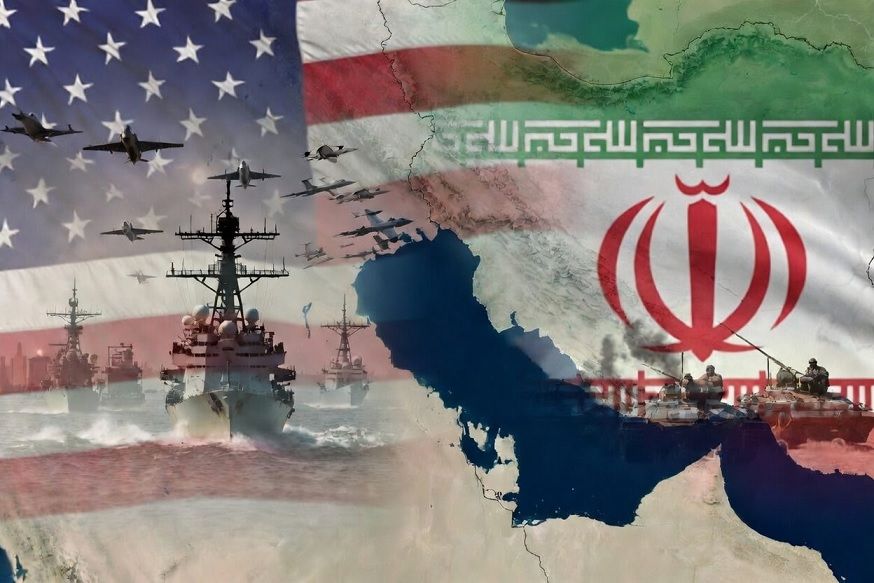
Iran violated the fragile ceasefire with the United States by launching missile and projectile attacks on at least three commercial vessels transiting the Strait of Hormuz in recent days, prompting a swift American military response that included airstrikes on Iranian targets and the revocation of a license allowing Tehran to sell oil on global markets. The incidents, which occurred amid ongoing negotiations to stabilize the region following months of conflict, underscore Iran's continued efforts to exert control over one of the world's most critical maritime chokepoints despite prior agreements to facilitate safe passage.
On or around July 6-7, 2026, Iran struck a Qatari-owned liquefied natural gas tanker identified as the Al Rekayat, a Saudi-flagged crude oil supertanker known as the Wedyan, and at least one additional unidentified vessel. The attacks targeted ships using routes near the Omani coast or the United Arab Emirates border—paths approved by international maritime authorities but opposed by Tehran, which has demanded vessels use only Iran-designated channels hugging its shoreline. One tanker suffered a fire in its engine room after being hit by a projectile, while the others sustained significant damage. No casualties were immediately reported among the crews, though the incidents heightened fears of broader disruptions to global energy supplies. The United Kingdom Maritime Trade Operations center confirmed reports of the strikes, and Iranian state media suggested at least one vessel was targeted after ignoring warnings.
These assaults directly contravened the terms of an interim memorandum of understanding reached between the U.S. and Iran in recent weeks, which included provisions for safe commercial transit through the strait for a 60-day period without the imposition of tolls or fees. Under the agreement, Iran committed to facilitating passage and negotiating future maritime administration with Oman and regional partners. Instead, Iranian officials have signaled plans to charge "service fees" to compensate for security and environmental costs, while offering "special privileges" to allies like China for their support during the conflict. Tehran has positioned these measures as a means to deter future threats and maintain leverage in talks, but the U.S. and Gulf states have rejected any form of tolls as violations of international law governing freedom of navigation.
The Strait of Hormuz, through which roughly one-fifth to one-quarter of the world's seaborne oil supply historically passes, remains a flashpoint. Disruptions here carry immediate consequences for global energy markets, with analysts noting potential upward pressure on oil prices amid already strained supplies. Iran has repeatedly warned ships against using non-approved routes, claiming authority over territorial waters and vowing forceful responses to non-compliance. These latest strikes represent a resumption of tactics Tehran employed earlier in the conflict to pressure adversaries by threatening maritime commerce.
In direct response, U.S. Central Command launched targeted strikes against Iranian military assets early on July 8, 2026, describing the operation as necessary "to impose heavy costs for targeting and attacking commercial shipping crewed by innocent civilians in an international waterway." American forces hit air defense systems, coastal surveillance radars, ground-to-air missile sites, launch facilities for anti-ship cruise missiles and drones, and more than 60 Islamic Revolutionary Guard Corps small boats near the strait. Additional targets reportedly included port facilities and related infrastructure in areas such as Qeshm and Bandar Abbas. The strikes were conducted while President Donald Trump was attending a NATO summit in Turkey, highlighting the administration's commitment to protecting vital sea lanes even amid diplomatic efforts.
The U.S. also revoked the general license that had temporarily authorized Iran to produce, deliver, and sell its oil internationally as part of the interim deal. Officials cited Iran's actions in the strait as unacceptable breaches requiring consequences. This move effectively reinstates key sanctions pressure on Tehran's energy sector, which had been eased to incentivize compliance with ceasefire terms.
Iran has denied violating the agreement and accused the U.S. of breaching it through the strikes and sanctions rollback. Iranian state media reported explosions consistent with the American operation, and Tehran claimed retaliatory missile and drone strikes against U.S. military sites in Bahrain and Kuwait, as well as the downing of an American MQ-9 drone. The Islamic Revolutionary Guard Corps framed its actions as defensive responses to American aggression. Iranian officials have also pushed back against U.S. assertions of free navigation, insisting on their right to regulate passage and charge for services in waters they claim as territorial.
The escalation comes against the backdrop of broader U.S.-Iran tensions that have included direct conflict earlier in 2026, indirect talks in locations like Doha and Switzerland, and a funeral procession for Iran's late Supreme Leader Ayatollah Ali Khamenei, who was killed during the fighting. Negotiations aimed at a more permanent resolution—including full reopening of the strait, constraints on Iran's nuclear program, and a lasting end to hostilities—now face renewed strain. Experts note that Iran's attacks may represent a deliberate pressure tactic to extract concessions or signal that hardliners in Tehran never fully embraced the interim framework.
U.S. Secretary of State Marco Rubio and other officials have repeatedly stated that no country may impose tolls or fees on international waterways like the Strait of Hormuz, emphasizing the principle of free navigation. The recent incidents have prompted maritime alerts and warnings from multinational bodies, with shippers navigating a complex environment of approved routes, registration requirements, and heightened risks. Data from tracking firms indicated dozens of vessels continued transiting the strait in recent days despite the dangers, underscoring the waterway's indispensable role in global trade.
These developments test the durability of the ceasefire and highlight the challenges of achieving lasting stability in a region where Iran seeks to leverage its position for strategic and economic gains. The U.S. response demonstrates a willingness to use military force to deter threats to commerce and security, while Iran's actions risk isolating it further and complicating diplomatic pathways. As talks remain on hold amid the funeral observances and escalating exchanges, the situation in the Strait of Hormuz continues to carry significant implications for energy security, international law, and the balance of power in the Middle East.
Support Independent Conservative News
RWTNews is independent conservative news — no corporate backing, no agenda driven by advertisers. We rely entirely on readers like you to keep the lights on and the truth coming. If you've found value in what you read here, consider supporting us with a one-time or monthly contribution. Every dollar goes directly toward keeping this site running and growing.
Secured by Stripe. Your payment info is never stored on our servers.