House Passes CR 370–48; Shutdown Threat Off Until After the Midterms
The House passed the Senate’s stopgap 370–48, funding the government through Dec. 11 and pushing any shutdown fight until after the Nov. 3 midterms.
 Tommy Flynn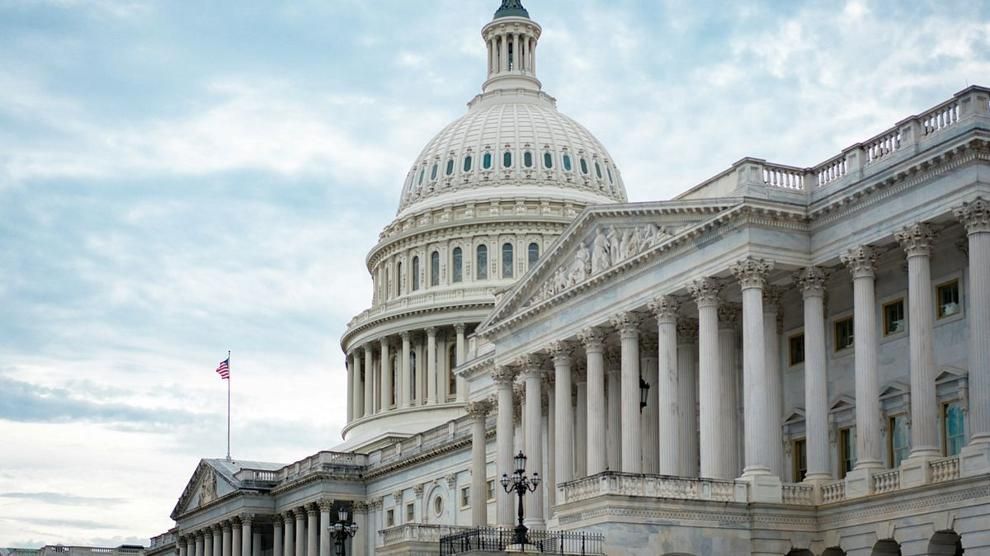
The House on Tuesday approved the Senate’s short-term continuing resolution 370–48, extending federal funding at current fiscal 2026 levels through Dec. 11 and sending the bill to President Trump. Current appropriations expire Sept. 30. The vote, taken under suspension of the rules and requiring a two-thirds majority, removes the immediate threat of a shutdown before the Nov. 3 midterms. The Senate passed the same measure 90–6 on Aug. 8, with one senator voting present. Trump is expected to sign it. Republicans voted 193–19 in favor; Democrats 176–29; one independent voted yes. Nineteen Republicans and 29 Democrats opposed the bill. Speaker Mike Johnson said Congress is “going to avoid the threat” of another shutdown. House Appropriations Chairman Tom Cole called it a “clean short-term continuing resolution” that “simply keeps the government open, protects the progress we’ve made and preserves the path to full-year appropriations,” and said it “will give Congress time to get past the November elections.” None of the 12 full-year fiscal 2027 appropriations bills have been completed. The national debt recently crossed $40 trillion; the CR does not address the debt.
The Senate product, negotiated by Appropriations Chair Susan Collins (R-Maine) and ranking member Patty Murray (D-Wash.), includes several policy riders the original House CR did not. It bars the administration from transferring funds to the Border Patrol during the stopgap—language Democrats sought after earlier fights over immigration enforcement. It delays until Dec. 11 an Office of Management and Budget rule that would put federal grant awards under closer review by political appointees. At the White House’s request it also delays by one month, from Nov. 12 to Dec. 11, a scheduled ban on intoxicating hemp products; that delay produced a brief Senate revolt and was a reason some House conservatives voted no. Defense anomalies in the CR allow the Pentagon to obligate above the fiscal 2026 rate for about $2.61 billion in Navy shipbuilding cost growth and about $2.85 billion in national-security procurement. The measure does not include White House-requested anomalies for $1 billion in advanced procurement for a Trump-class battleship, extra munitions production, or multiyear procurement authority for five munitions lines. The administration’s broader fiscal 2027 defense request is $1.15 trillion in discretionary spending; a separate House reconciliation track has contemplated on the order of $60 billion for defense plus other national-security, farm, and election-integrity items. That package is not part of the CR. Full-year bills and any reconciliation fight return after the midterms, with the next hard deadline Dec. 11.
Join the Team
Are you trying to break into news writing but struggling to get published at major outlets? At RWT News, we're always looking for talented, motivated writers who share our commitment to straightforward, factual conservative journalism. If you believe in honest reporting and want real experience and bylines, we'd love to hear from you.
Visit our Join the Team page to learn more and contact us directly.