House Ethics Panel Finds Rep. Sheila Cherfilus-McCormick Guilty on 25 of 27 Counts of Campaign Finance and Ethics Violations
The rare public hearing — the first of its kind in nearly 16 years — was held Thursday, March 26, and lasted several hours.
 RWTNews Staff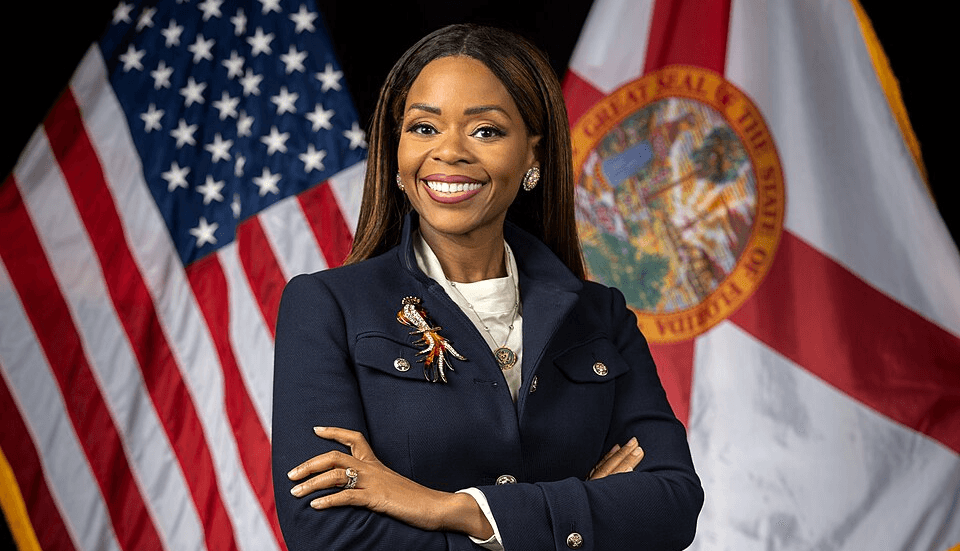
WASHINGTON – A bipartisan House Ethics Committee adjudicatory subcommittee found Florida Democratic Rep. Sheila Cherfilus-McCormick guilty of 25 out of 27 counts of campaign finance violations and related ethics breaches early Friday morning, March 27, 2026.
The rare public hearing — the first of its kind in nearly 16 years — was held Thursday, March 26, and lasted several hours. After closed-door deliberations that extended past midnight, the panel determined there was “clear and convincing evidence” that Cherfilus-McCormick violated federal campaign finance laws, House rules, and ethical standards across multiple election cycles.
The 27 counts stemmed from a years-long investigation into how the congresswoman funded her political rise. The subcommittee’s findings focused on allegations that Cherfilus-McCormick and her family’s company, Trinity Health Care Services, improperly received and then misused more than $5 million in overpayments of federal COVID-19 relief and disaster funds in 2021. A substantial portion of those funds was allegedly routed through multiple accounts and used to finance her successful 2022 special election campaign for Florida’s 20th Congressional District.
Specific violations cited by the panel included:
- Illicitly funneling millions from the family business into her campaign accounts while misreporting the source of the money as personal loans or legitimate contributions.
- Accepting and failing to properly disclose straw-donor contributions funneled through friends and relatives.
- Commingling personal, business, and campaign funds in violation of federal election law.
- Inaccurate financial disclosures on House and Federal Election Commission filings, including failure to report large unreported payments and loans.
- Violations of the Ethics in Government Act and House standards of conduct through lack of candor and diligence with investigators.
The full House Ethics Committee will now review the subcommittee’s findings and recommend sanctions to the entire House, which could range from censure or reprimand to expulsion. The matter is expected to be taken up after the House returns from its spring recess.
Cherfilus-McCormick, who has represented Florida’s 20th District since winning a special election in January 2022 and securing re-election in 2022 and 2024, has consistently denied any wrongdoing. She pleaded not guilty in November 2025 to separate federal criminal charges in Miami that include conspiracy to steal government funds, money laundering, making and receiving straw donor contributions, and related counts tied to the same $5 million in FEMA overpayments. Those criminal proceedings remain ongoing.
Her attorney argued during the ethics hearing that the proceedings should be paused until the criminal case is resolved to avoid prejudicing her right to a fair trial. No immediate statement from Cherfilus-McCormick’s office was available following the Ethics Committee’s findings.
The case has drawn attention as one of the most serious ethics matters involving a sitting member of Congress in recent years. It highlights concerns over the potential misuse of taxpayer-funded pandemic relief dollars for personal and political gain, as well as broader questions about campaign finance compliance and disclosure requirements. The Office of Congressional Ethics initially referred the matter to the House Ethics Committee in 2023, with the investigation expanding in 2024 to include additional allegations involving community project funding requests and possible misuse of official funds.
The subcommittee’s determination marks a significant escalation in oversight of the three-term Democrat and underscores the House’s authority to police its own members’ conduct independent of criminal proceedings.
Support Independent Conservative News
RWTNews is independent conservative news — no corporate backing, no agenda driven by advertisers. We rely entirely on readers like you to keep the lights on and the truth coming. If you've found value in what you read here, consider supporting us with a one-time or monthly contribution. Every dollar goes directly toward keeping this site running and growing.
Secured by Stripe. Your payment info is never stored on our servers.