Hillary Clinton Urges Federal Employees to Obstruct Trump’s Acting DNI Bill Pulte
Clinton’s call for non-cooperation raises serious concerns about the rule of law and chain of command within the executive branch.
 Tommy Flynn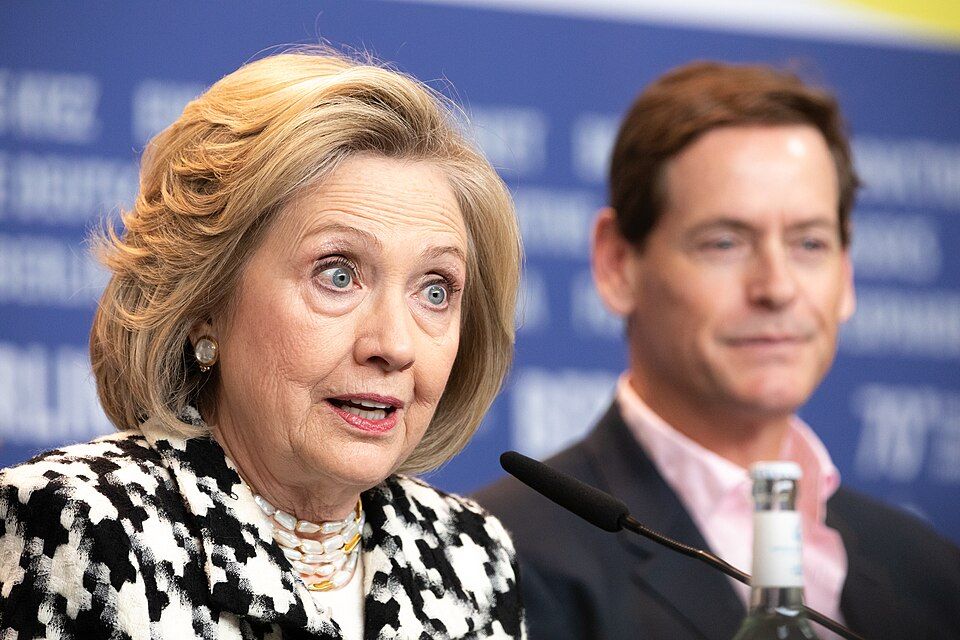
Former Secretary of State Hillary Clinton publicly encouraged federal employees to slow-walk or refuse sharing information with Bill Pulte, President Trump’s newly appointed Acting Director of National Intelligence. In a July 1, 2026, appearance on the Democracy Docket podcast hosted by Marc Elias, Clinton described Pulte as “very dangerous” and a “loose cannon,” calling his selection “deeply insulting to the intelligence community.” She expressed hope that career officials and political appointees would withhold cooperation from the acting DNI.
Clinton stated, “The DNI has access to everything, everything that they want to see. I mean, I hope there are career and even political appointees in various of the agencies that are slow-walking or refusing to share information with Pulte.” She framed the remarks amid broader criticism of Trump’s national security appointments and suggested the move could benefit adversaries like China, Russia, and Iran. Clinton also floated the idea of legal challenges to Pulte’s qualifications for the role.
Pulte, currently head of the Federal Housing Finance Agency and chairman of Fannie Mae and Freddie Mac, lacks prior intelligence experience. Trump named him acting DNI following Tulsi Gabbard’s departure from the position last month. The president has described the appointment as temporary, lasting one to two months until a permanent nominee such as Jay Clayton is confirmed. Trump granted Pulte broad authority to declassify documents during his tenure, signaling intent to increase transparency on issues including past election-related intelligence.
Pulte gained prominence as a Trump ally for pursuing mortgage fraud investigations targeting political opponents. His background in real estate and housing finance positions him as an outsider to the intelligence apparatus, a point critics highlight as a risk to institutional norms. Supporters view the choice as part of efforts to inject accountability and combat entrenched bureaucratic resistance to executive directives.
Clinton’s call for non-cooperation raises serious concerns about the rule of law and chain of command within the executive branch. Federal employees swear an oath to support and defend the Constitution and to faithfully execute the laws of the United States. Encouraging resistance to a lawfully appointed official undermines national security by potentially delaying critical intelligence sharing at a time of global threats. Such statements echo past patterns where political figures have sought to insulate agencies from oversight.
The remarks come as the Trump administration works to reform intelligence and law enforcement institutions following documented issues in prior years, including politicized investigations. Pulte’s role at FHFA involved rooting out fraud, an approach some expect him to apply in intelligence matters to prioritize transparency over secrecy for its own sake. Clinton’s podcast comments contrast sharply with her own history of handling classified information, which drew extensive scrutiny during her tenure as secretary of state.
Intelligence community leaders and career officials operate under legal obligations to support the president’s directives through the DNI. Obstruction or selective non-cooperation could expose participants to administrative or legal consequences. Clinton’s intervention frames routine executive appointments as existential threats, a narrative that has fueled bureaucratic pushback against elected leadership in recent cycles.
The episode underscores deepening divides over the role of the intelligence community in American governance. While critics portray Pulte’s appointment as politicization, proponents argue it counters years of unaccountable operations that eroded public trust. Clinton’s explicit urging of federal employees to withhold information represents a direct appeal to internal resistance rather than engagement through established channels or legal processes.
As Pulte assumes the acting role with expanded declassification powers, the focus shifts to whether agencies will fulfill their duties or heed calls for obstruction. The comments highlight ongoing tensions between political accountability and institutional autonomy, with implications for how future administrations manage national security priorities.
Join the Team
Are you trying to break into news writing but struggling to get published at major outlets? At RWT News, we're always looking for talented, motivated writers who share our commitment to straightforward, factual conservative journalism. If you believe in honest reporting and want real experience and bylines, we'd love to hear from you.
Visit our Join the Team page to learn more and contact us directly.