Gulf States Back Trump’s Military Campaign Against Iran, Urging Continued Strikes While Distant Critics Complain Loudest
The strong support from the nations most exposed to Iranian threats stands in sharp contrast to criticism from more distant voices in Europe and certain U.S. political circles that have faced no direct attacks.
 Tommy Flynn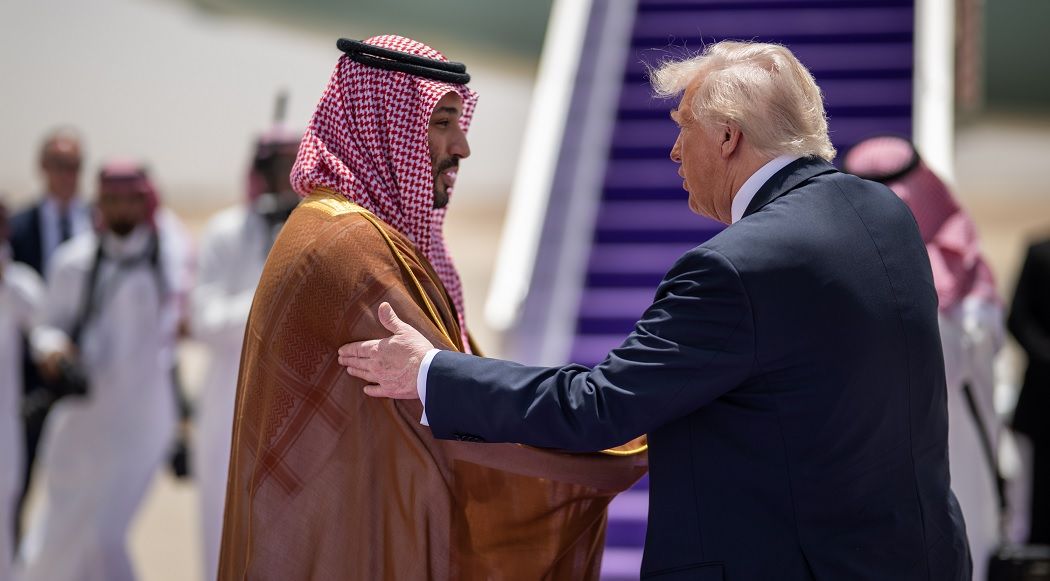
WASHINGTON – Gulf Arab nations most directly threatened by Iranian aggression are privately urging President Donald Trump to press ahead with military operations until Tehran is decisively weakened, according to multiple U.S., Gulf and Israeli officials.
Saudi Arabia and the United Arab Emirates are leading the effort. Officials from Kuwait and Bahrain have joined in private messages to the White House conveying that they do not want the conflict to end without significant changes in Iranian leadership or behavior. The UAE has been described as the most hawkish, with some officials even considering limited ground operations if Iranian attacks on their infrastructure continue.
The Gulf states have borne the brunt of Iranian retaliation since U.S. and Israeli strikes began Feb. 28, 2026. Iran has launched missiles and drones at Saudi Arabia, the UAE, Bahrain, Kuwait and Qatar, targeting U.S. bases, oil facilities and civilian areas. UAE Minister of State Noura Al Kaabi stated, “An Iranian regime that launches ballistic missiles at homes, weaponizes global trade and supports proxies is no longer an acceptable feature of the regional landscape.”
Saudi officials have told the administration that a premature ceasefire would leave the region less stable and fail to neutralize Iran’s nuclear program, ballistic missiles, proxy militias and control over the Strait of Hormuz. Crown Prince Mohammed bin Salman has emphasized the need for a settlement that safeguards Gulf infrastructure and people.
President Trump has publicly praised the Gulf partners’ stance. On Air Force One Sunday, he said, “Saudi Arabia’s fighting back hard. Qatar is fighting back. UAE is fighting back. Kuwait’s fighting back. Bahrain’s fighting back.” He called Crown Prince Mohammed bin Salman a “warrior” and “fantastic man.”
The strong support from the nations most exposed to Iranian threats stands in sharp contrast to criticism from more distant voices in Europe and certain U.S. political circles that have faced no direct attacks. Gulf leaders have made clear they want Iran’s capacity to threaten their security permanently reduced before any deal is finalized.
The developments come as the Pentagon continues contingency planning for potential escalation while the administration pursues indirect peace talks. Gulf states, which host key U.S. bases and rely on the Strait of Hormuz for oil exports, view Trump’s campaign as essential to long-term regional stability.
Join the Team
Are you trying to break into news writing but struggling to get published at major outlets? At RWT News, we're always looking for talented, motivated writers who share our commitment to straightforward, factual conservative journalism. If you believe in honest reporting and want real experience and bylines, we'd love to hear from you.
Visit our Join the Team page to learn more and contact us directly.