Florida Passes Voter Citizenship Verification Bill, Heads to DeSantis
Modeled after the federal SAVE America Act, the bill aligns with President Donald Trump's push for election integrity.
 Tommy Flynn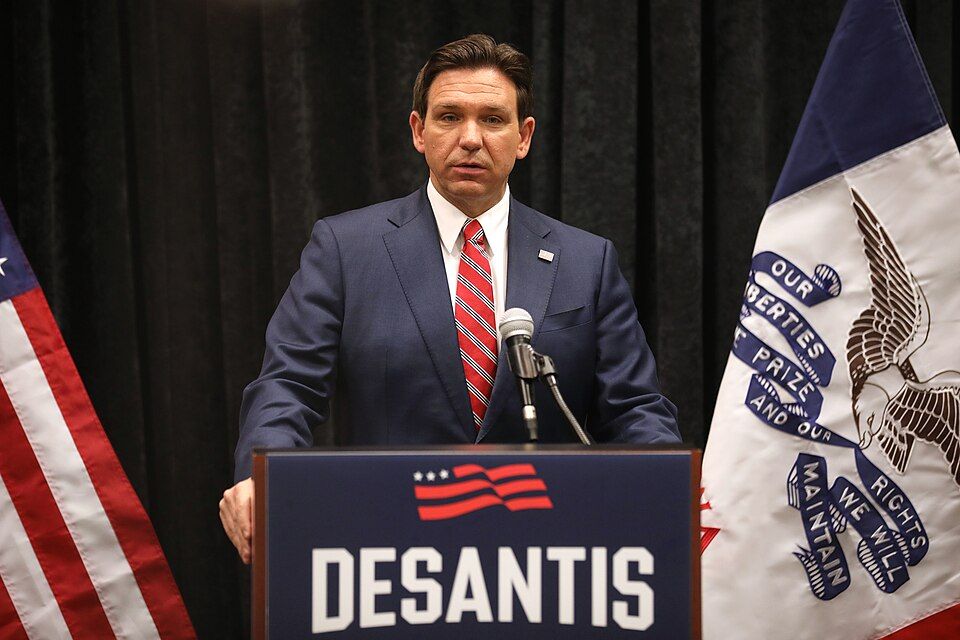
Florida's Republican-controlled Legislature passed House Bill 991 on March 12, 2026, requiring proof of U.S. citizenship for voter registration and restricting acceptable voter IDs, with the measure now awaiting Gov. Ron DeSantis' signature.
The bill cleared the Senate 27-12, with all Republicans voting yes except Sen. Alexis Calatayud (R-Miami), and all Democrats opposing. The House approved it 77-28, with two Democrats joining Republicans in support and one Republican opposing. DeSantis is expected to sign it, making Florida the most populous state with such requirements.
Key provisions take effect January 1, 2027, after the November 2026 midterms, including citizenship verification via the Department of Highway Safety and Motor Vehicles (DHSMV) records for all voters. Unverified voters must use provisional ballots, counted only upon citizenship confirmation. Acceptable IDs include driver's licenses, state IDs, military IDs, and concealed weapons licenses; student and retirement-home IDs are excluded. The bill also restricts mail-in ballots and allows rival candidates to challenge ballot eligibility immediately upon signing.
Modeled after the federal SAVE America Act, the bill aligns with President Donald Trump's push for election integrity. Florida already bans noncitizen voting per its constitution, but a 2025 report identified 198 potential noncitizen registrants, with 170 referred to law enforcement.
DeSantis posted on X: "The Florida version of the SAVE Act is about to pass the Legislature. Although Florida has already enacted much of what the federal legislation contemplates, this will further fortify our state as the leader in election integrity." Sponsor Sen. Erin Grall (R-Vero Beach) said: "What is our tolerance for fraud and lack of integrity? Yes, we have safe elections in Florida, but they don't stay safe and secure if we don't pay attention to the large gaps that exist where we can address additional fraud."
Democrats opposed it as voter suppression. Sen. LaVon Bracy Davis (D-Orlando) called it: "anti-American, It's anti-Floridian. It's anti-senior citizen. It's anti-student. It's sexist." Senate Democratic Whip Dick Durbin criticized it for making voting "more difficult for millions of Americans."
Support Independent Conservative News
RWTNews is independent conservative news — no corporate backing, no agenda driven by advertisers. We rely entirely on readers like you to keep the lights on and the truth coming. If you've found value in what you read here, consider supporting us with a one-time or monthly contribution. Every dollar goes directly toward keeping this site running and growing.
Secured by Stripe. Your payment info is never stored on our servers.