Federal Judge Halts Construction of Trump White House Ballroom Pending Congressional Approval
Judge Leon sided with the preservation group, concluding it is likely to succeed on the merits of its claims. The injunction is temporary and applies while the lawsuit continues.
 RWTNews Staff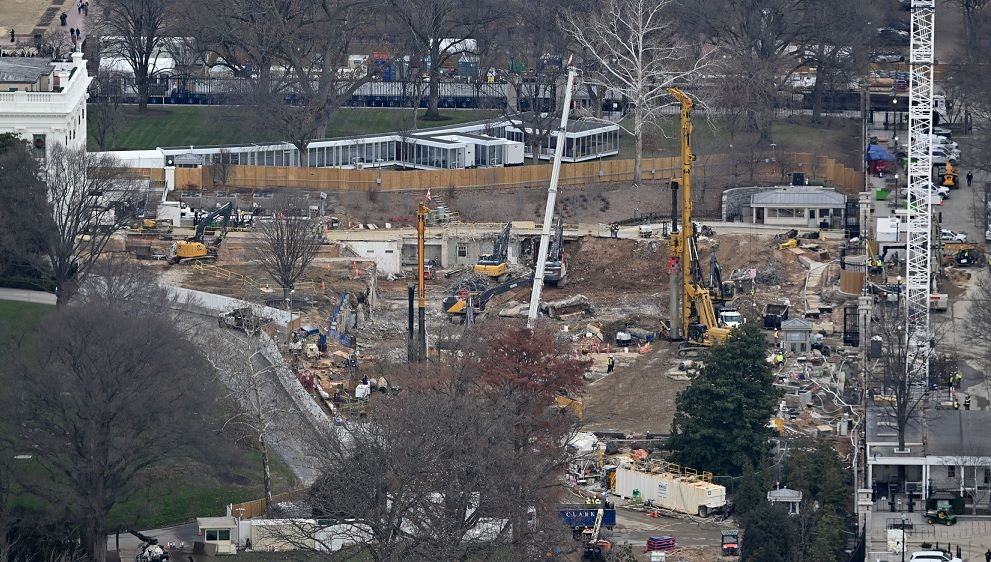
WASHINGTON – A federal judge ordered construction of President Donald Trump’s planned $400 million White House ballroom to stop immediately on Tuesday, March 31, 2026, ruling that the project requires explicit approval from Congress before it can proceed.
U.S. District Judge Richard Leon granted a preliminary injunction sought by the National Trust for Historic Preservation. In a strongly worded opinion, Leon wrote that “no statute comes close to giving the President the authority he claims to have” to build the ballroom on White House grounds without congressional authorization. He emphasized: “The President of the United States is the steward of the White House for future generations of First Families. He is not, however, the owner!”
The project involves demolishing the historic East Wing (already completed in October 2025) to construct a large 90,000-square-foot ballroom addition. The Trump administration has maintained the project is fully privately funded and does not require taxpayer money or congressional approval. However, the National Trust argued that major alterations to the White House complex must undergo standard federal review processes, including environmental assessments, historic preservation reviews, and statutory authorization from Congress.
Judge Leon sided with the preservation group, concluding it is likely to succeed on the merits of its claims. The injunction is temporary and applies while the lawsuit continues. The White House has indicated it will appeal the ruling.
The decision pauses work on what Trump has described as a signature addition to the White House, intended to host large events and serve as part of a broader modernization effort that also includes an expanded underground military complex beneath the site. The administration had previously moved forward rapidly after the East Wing demolition, bypassing some traditional review steps.
No immediate comment from the White House was available beyond earlier statements defending the project as a necessary upgrade funded entirely by private donors. Trump has previously criticized the slow pace of government approvals for White House improvements.
The ruling highlights ongoing tensions over executive authority versus congressional oversight when it comes to changes on federal historic property. The National Trust argued that skipping required reviews and approvals sets a dangerous precedent for future presidents.
The ballroom project remains in legal limbo until either the injunction is lifted on appeal or Congress passes authorizing legislation.
Support Independent Conservative News
RWTNews is independent conservative news — no corporate backing, no agenda driven by advertisers. We rely entirely on readers like you to keep the lights on and the truth coming. If you've found value in what you read here, consider supporting us with a one-time or monthly contribution. Every dollar goes directly toward keeping this site running and growing.
Secured by Stripe. Your payment info is never stored on our servers.