FCC Bars China Mobile, China Telecom, and China Unicom from Direct Access to U.S. Phone Numbers
The Federal Communications Commission voted Thursday to prohibit three major Chinese state-linked telecom carriers from obtaining U.S. phone numbers directly, citing national security risks and the need to disrupt illegal robocall operations.
 Tommy Flynn
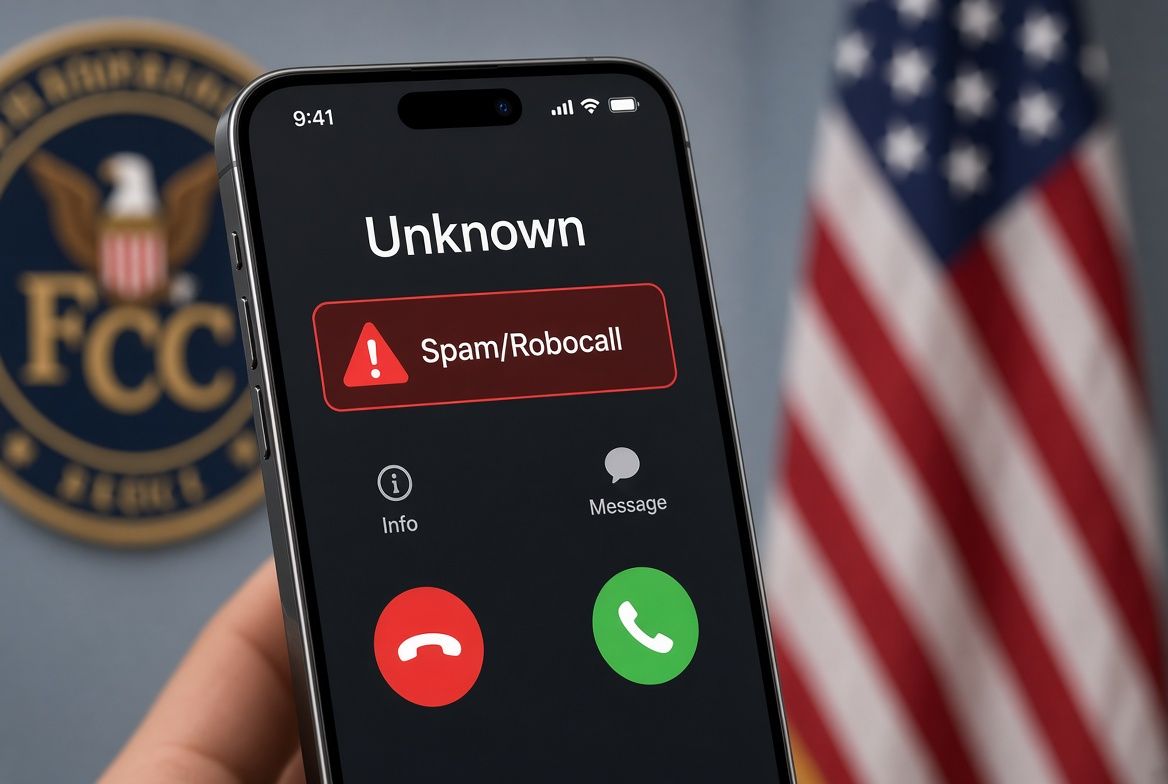
The Federal Communications Commission voted on November 19 to bar China Mobile, China Telecom, and China Unicom, along with other internet protocol-enabled service providers, from directly accessing U.S. numbering resources. The action requires providers to meet new national security-focused certifications before receiving numbers. It also restricts providers that use equipment from companies on the FCC’s Covered List of national security risks, including Huawei and ZTE.
FCC Chairman Brendan Carr stated that the decision would strengthen “our first line of defense against bad actors and illegal robocallers.” Direct access had allowed Voice over Internet Protocol providers to obtain American numbers at lower cost without routing through intermediate carriers. The FCC had previously blocked the three Chinese companies from providing international telecommunications services to the United States.
The vote occurred hours after President Trump’s talks with Chinese President Xi Jinping in Shenzhen during the APEC summit. It continues a series of Trump administration steps limiting Chinese telecom involvement in U.S. networks. In October the FCC voted to bar Chinese laboratories from testing U.S. electronics beginning in December 2028. Hong Kong carrier HKT agreed under FCC pressure to end its U.S. operations by September 2027.
Officials have linked the restrictions to documented Chinese cyber activity. A late-2024 campaign attributed to the state-sponsored group Salt Typhoon compromised U.S. telecommunications networks and accessed call records and metadata. Reporting indicated that senior U.S. government officials and prominent political figures were among those potentially affected. Consumers received more than 4 billion robocalls in October 2026, an increase of 4.7 percent from the prior month. One analysis found that scam victims lose an average of $4,000.
China’s Ministry of Commerce responded on November 22, stating that it “firmly opposes” the FCC action and that the measures “run counter to the important consensus reached by the two heads of state.” The ministry accused the FCC of pushing decoupling in telecommunications and related sectors, urged the United States to rescind the ban, and said China would take “necessary countermeasures” to protect its interests. Chinese officials have previously described similar restrictions as lacking a factual basis and as hindering normal commercial cooperation.
The FCC is also considering additional steps, including barring Chinese telecom firms from connecting to U.S. networks altogether and from operating data centers on American soil. No timeline for those further measures has been announced.
The November 19 order takes effect according to the timelines set by the commission. Implementation will require affected providers to obtain intermediate-carrier routing or to complete the new security certifications where still eligible.
Join the Team
Are you trying to break into news writing but struggling to get published at major outlets? At RWT News, we're always looking for talented, motivated writers who share our commitment to straightforward, factual conservative journalism. If you believe in honest reporting and want real experience and bylines, we'd love to hear from you.
Visit our Join the Team page to learn more and contact us directly.