FBI Probes Potential Iran-Linked Terrorism in Deadly Austin Shooting as Security Heightens Across Texas
The shooting occurred just one day after U.S. and Israeli forces launched coordinated strikes on Iran on February 28, eliminating key regime figures including Supreme Leader Ali Khamenei.
 RWTNews Staff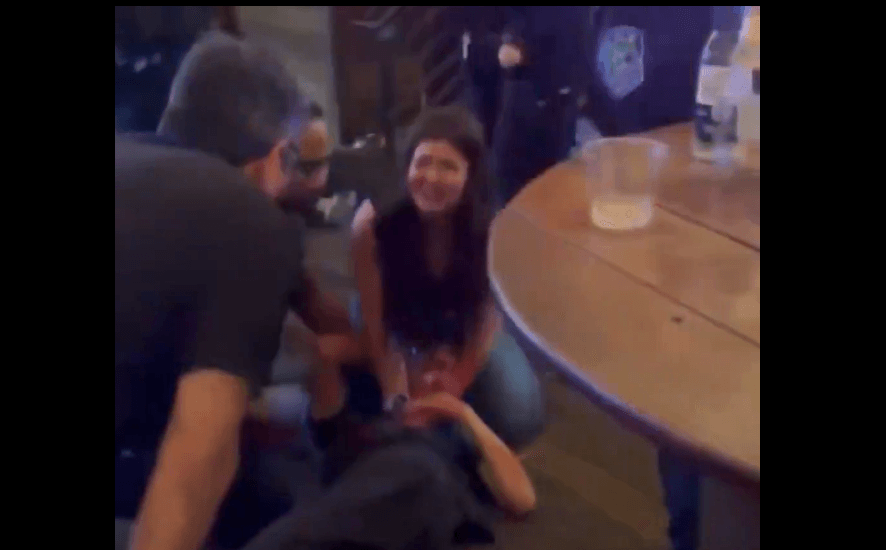
AUSTIN – Federal and local authorities are investigating the early Sunday mass shooting outside a popular Austin bar as a potential act of terrorism tied to the ongoing U.S. military action against Iran, with evidence pointing to the suspect's pro-Iranian sympathies amid heightened national security concerns.
The incident unfolded around 1:40 a.m. on March 1, 2026, outside Buford’s Backyard Beer Garden in Austin’s West Sixth Street entertainment district, a bustling area frequented by University of Texas students and visitors. Ndiaga Diagne, a 53-year-old naturalized U.S. citizen originally from Senegal, circled the block several times in a large SUV before opening fire with a pistol from the driver's window. He then exited the vehicle and continued shooting with a rifle, targeting patrons in the crowded venue.
Austin police officers, already stationed in the area due to routine weekend patrols, responded within one minute, fatally shooting Diagne at the scene. No officers were injured. The attack left three people dead and 13 others wounded, with at least three victims in critical condition initially. The deceased were identified as Savitha Shan, a 21-year-old dual-degree student at the University of Texas at Austin known for her leadership in campus organizations; Ryder Harrington, a 19-year-old Texas Tech University student and Beta Theta Pi fraternity member visiting Austin; and Jorge Pederson, a 30-year-old local resident who succumbed to his injuries on Monday after being taken off life support.
Diagne, who immigrated to the U.S. in 2006 and became a citizen in 2013, had no prior encounters with law enforcement that raised red flags, according to Austin Police Chief Lisa Davis and FBI officials. A search of his Pflugerville residence and vehicle revealed an Iranian flag, a Quran, and photographs of Iranian regime leaders. He was wearing a sweatshirt emblazoned with “Property of Allah” and an undershirt featuring the Iranian flag. Social media posts dating back to 2017 showed Diagne expressing support for the Iranian regime and hostility toward American and Israeli leadership.
The shooting occurred just one day after U.S. and Israeli forces launched coordinated strikes on Iran on February 28, eliminating key regime figures including Supreme Leader Ali Khamenei. Iranian clerics have since issued fatwas declaring vengeance against the U.S. a religious duty, amplifying fears of retaliatory attacks. Alex Doran, acting Special Agent in Charge of the FBI’s San Antonio office, stated that while a final determination is pending, “indicators suggest a potential nexus to terrorism” linked to the Iran-U.S.-Israel conflict. The FBI’s Joint Terrorism Task Force is leading the probe, treating Diagne as a likely lone actor but examining any broader connections.
While the incident has not yet been officially classified as terrorism, the timing, suspect's attire, possessions, and online rhetoric strongly indicate an ideological motive rooted in support for Iran’s regime and opposition to U.S. actions. This evidence aligns with patterns of radicalization seen in other cases, underscoring the risks of foreign-inspired violence amid international tensions.
In response, Texas Governor Greg Abbott has bolstered security at energy facilities, ports, and places of worship statewide, warning that any threats exploiting the Middle East conflict will be met with “decisive and overwhelming force.” U.S. Representative Chip Roy emphasized the dangers of unchecked immigration, noting the need to address vulnerabilities that allow “violent Islamists who want to destroy our country” to operate within U.S. borders.
The attack has shaken Austin’s vibrant nightlife scene, prompting a makeshift memorial outside Buford’s and calls for enhanced vigilance. As the U.S. continues its operation to neutralize Iranian nuclear and missile threats—projected to last four to five weeks or longer if necessary—this incident highlights the potential for spillover effects on American soil.
Support Independent Conservative News
RWTNews is independent conservative news — no corporate backing, no agenda driven by advertisers. We rely entirely on readers like you to keep the lights on and the truth coming. If you've found value in what you read here, consider supporting us with a one-time or monthly contribution. Every dollar goes directly toward keeping this site running and growing.
Secured by Stripe. Your payment info is never stored on our servers.