Elon Musk Turns Tables on The Economist in Tense Interview Over “Far Right” Label and Public Backlash (Video)
Elon Musk rejects “far right” label in tense Economist interview, challenging the media’s framing and flipping criticism of public backlash back on the press.
 Tommy Flynn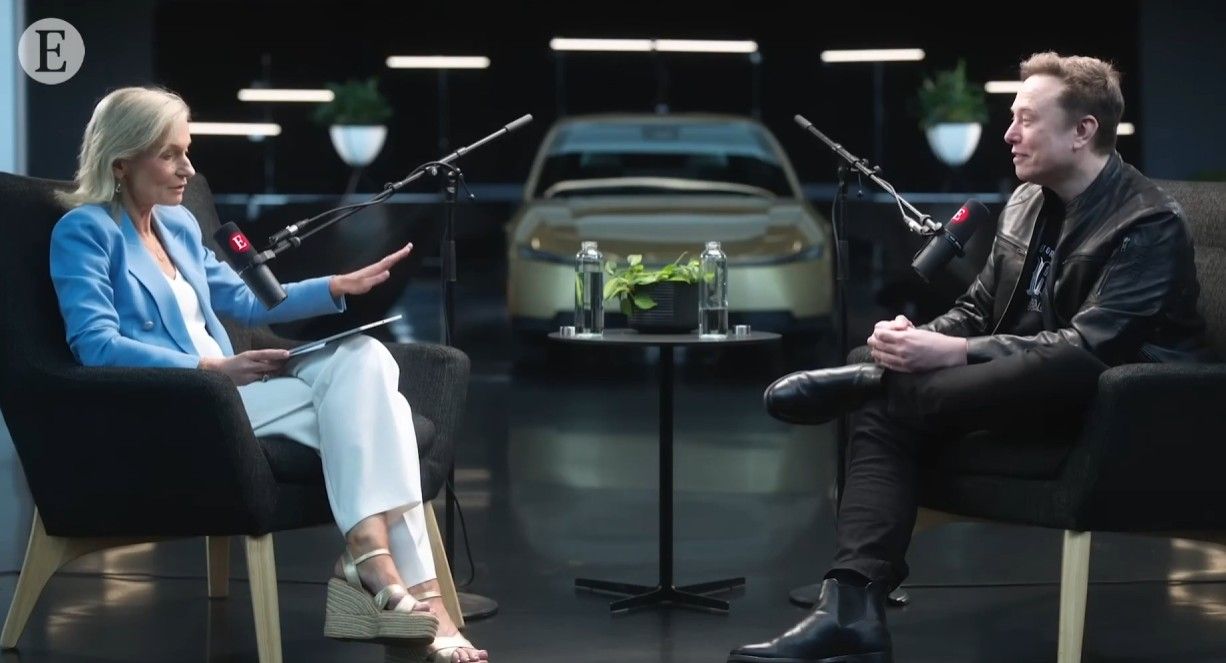
In a wide-ranging interview with The Economist, Elon Musk sharply rejected attempts to frame his political positions as extreme, instead accusing the media of smearing mainstream views as “far right” while dismissing concerns that large numbers of people loathe him.
The 90-minute conversation, recorded at a Tesla factory in Texas and conducted by Editor-in-Chief Zanny Minton Beddoes, covered topics including artificial intelligence, Europe’s political shifts, immigration, and Musk’s influence. Beddoes pressed Musk on his endorsements and commentary regarding European parties often labeled populist or far-right, stating that he supports “not just the populist right but the far right, in fact very fringe parties in some countries.”
Musk rejected the characterization outright. “No, I support the normal people—what you call the far right, falsely,” he replied. He then challenged Beddoes to identify which of three core principles she considered extreme: “That we should have secure borders, that we should have safe cities, that we should have sensible spending. Which of those three are far-right fringe?” Musk went further, admonishing the outlet and the broader media. “I would just like to admonish you and the media for the absurd characterization of the far right. It is false, misleading, and nonsense!” He specifically asked that the exchange remain in the final cut, and Beddoes agreed it would.
🔥 AWESOME! Elon Musk MIC DROPS this reporter accusing him of being "far right"
— Eric Daugherty (@EricLDaugh) July 23, 2026
"It's actually just NORMAL PEOPLE...here are the principles. Which sound terrible? We should have secure borders, safe cities, and sensible spending."
"Which of those 3 are 'far right?'"
"I'd like… pic.twitter.com/AQueMObzN9
Later in the interview, Beddoes raised the personal cost of Musk’s high-profile stances, noting that some people “loathe” him and questioning whether his actions ultimately help Western democracy. Musk’s response was direct. “Yes, some people do. But I don’t care,” he said. When pressed again, he expanded: “Maybe some people do loathe me. And that’s probably true. I don’t care. But the fact that, as you pointed out, a quarter billion people follow me is that I think a lot more people actually like me than don’t. And I think a lot more people hate you and the media more than you realize.”
Liberal White Woman: "Some people loathe you. Do you understand why?"
— Matt Van Swol (@mattvanswol) July 23, 2026
Elon: "Maybe some people do loathe me. That's probably true. I don't care. I think a lot more people hate you and the media than you realize."
I love this man!!!!!! 🤣 pic.twitter.com/DpsZ4suVC0
The exchange effectively flipped the intended framing. Rather than defending against accusations of extremism or personal unpopularity, Musk reframed the discussion around what he described as ordinary priorities—border security, public safety, and fiscal restraint—while turning the critique back on the media’s use of labels and its own standing with the public. Clips of the exchange circulated widely online, with many viewers highlighting the contrast between the interviewer’s terminology and Musk’s insistence that the positions in question remain mainstream.
The interview also touched on Musk’s warnings about social cohesion in Britain and other European countries, his predictions regarding artificial intelligence, and broader cultural debates. Throughout, Musk maintained that his commentary reflects concerns shared by large numbers of ordinary citizens rather than fringe ideology. By forcing the conversation onto the substance of the policies rather than the labels applied to them, and by citing his massive following as evidence of broader support, Musk shifted the dynamic from defensive to confrontational.
The full interview has been released by The Economist as part of its Insider series. The pointed back-and-forth over political labeling and public perception stands as one of its most widely discussed segments, illustrating the ongoing clash between traditional media characterizations of populist positions and the refusal of high-profile figures like Musk to accept those characterizations at face value.
Support Independent Conservative News
RWTNews is independent conservative news — no corporate backing, no agenda driven by advertisers. We rely entirely on readers like you to keep the lights on and the truth coming. If you've found value in what you read here, consider supporting us with a one-time or monthly contribution. Every dollar goes directly toward keeping this site running and growing.
Secured by Stripe. Your payment info is never stored on our servers.