DOJ Urges Supreme Court to Review Lower Court Ruling Blocking Arizona Voter Integrity Laws
Arizona lawmakers enacted the provisions following the 2020 election to strengthen election security.
 Tommy Flynn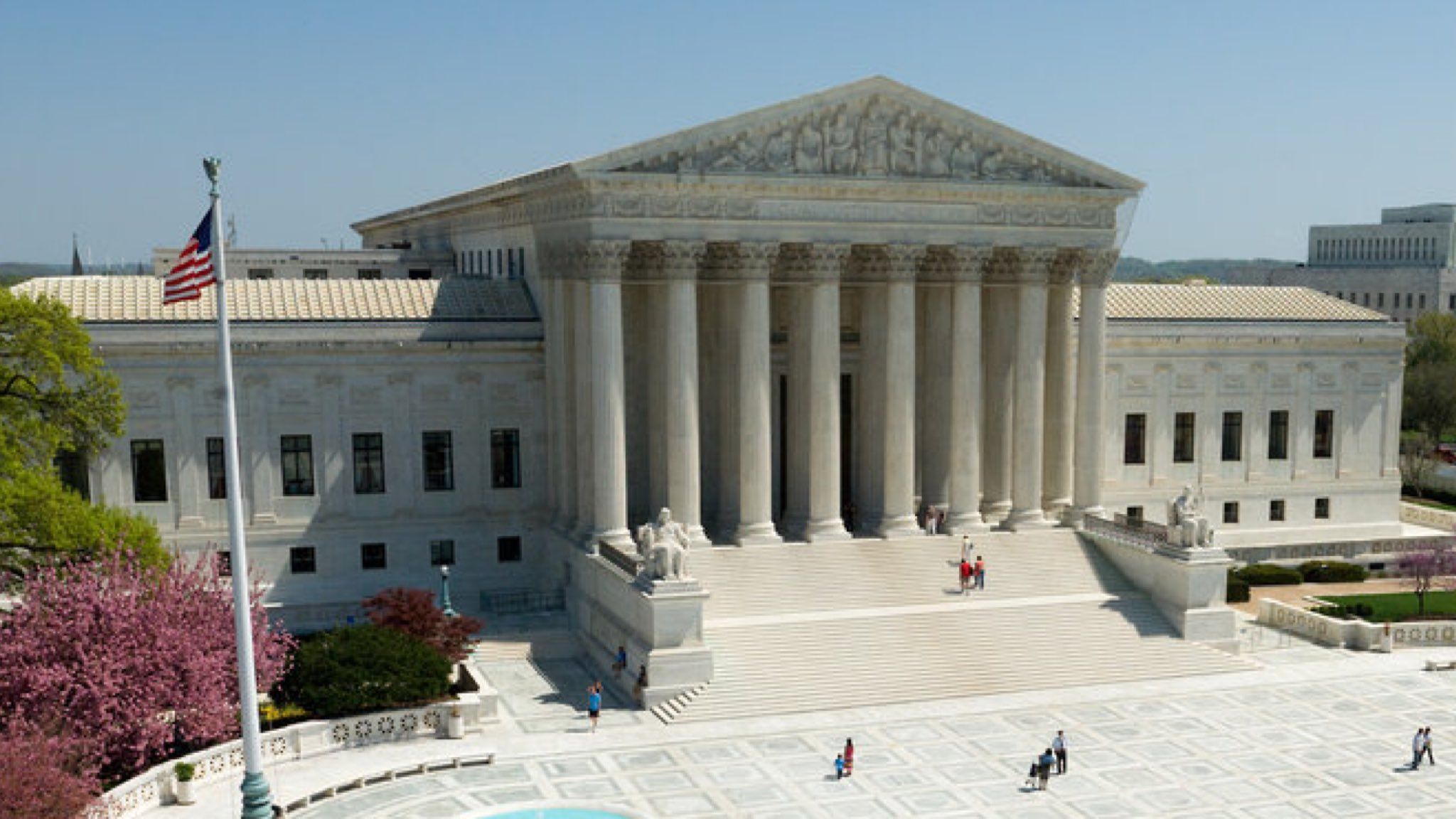
WASHINGTON — The U.S. Department of Justice filed a brief with the Supreme Court on May 27, 2026, asking the justices to review a Ninth Circuit Court of Appeals decision that struck down key provisions of Arizona’s 2022 voter registration and election laws. The Trump administration argues the measures are lawful tools to prevent noncitizen voting and maintain accurate voter rolls.
Arizona lawmakers enacted the provisions following the 2020 election to strengthen election security. The laws require documentary proof of citizenship for voters using Arizona’s state registration form, direct officials to identify and remove noncitizens from voter rolls, and prohibit certain “federal-only” voters—who registered without proof of citizenship via the federal form—from voting by mail in state and local elections.
Lower courts, including a federal district court and the Ninth Circuit, blocked portions of these laws, ruling they conflict with the National Voter Registration Act (NVRA). Challengers, including Mi Familia Vota and other groups, claimed the requirements could disenfranchise eligible voters, especially naturalized citizens and minority communities. The Ninth Circuit also remanded parts of the case for review of alleged discriminatory intent.
In its filing, the DOJ contended the appeals court misinterpreted federal law. The brief states the NVRA does not bar states from requiring proof of citizenship on state forms or from removing ineligible noncitizens at any time, including within 90 days of an election, since noncitizens were never qualified to vote.
The administration cited the Supreme Court’s 2013 ruling in Arizona v. Inter Tribal Council of Arizona, which recognized states’ authority over voter qualifications. It argued the Ninth Circuit’s decision undermines states’ constitutional role in administering elections and risks allowing ineligible voting.
This marks the latest development in long-running disputes over Arizona’s efforts to verify voter eligibility. Arizona has faced repeated legal challenges to its proof-of-citizenship rules, which apply fully to state and local races but face federal constraints for presidential and congressional contests.
The RNC and Arizona Republicans support the petition, emphasizing the need to close loopholes that could permit noncitizen participation. Supporters view these laws as essential safeguards amid concerns over incomplete federal vetting of voter rolls.
Civil rights organizations opposing the laws argue they create unnecessary barriers and could suppress turnout among eligible voters. Several lower courts have sided with challengers in similar DOJ-related voter data access cases across multiple states.
The Supreme Court has not yet decided whether to grant certiorari. If accepted, the case could clarify the balance between federal election statutes and state authority to enforce citizenship requirements. A decision would have implications for similar efforts in other states seeking to strengthen voter verification ahead of future elections.
The Trump administration has pursued broader election integrity initiatives, including demands for voter roll data from multiple states to identify potential ineligible registrants. This Arizona case fits into that larger push while respecting state primacy in election administration. No timeline has been set for the Court’s response.
Support Independent Conservative News
RWTNews is independent conservative news — no corporate backing, no agenda driven by advertisers. We rely entirely on readers like you to keep the lights on and the truth coming. If you've found value in what you read here, consider supporting us with a one-time or monthly contribution. Every dollar goes directly toward keeping this site running and growing.
Secured by Stripe. Your payment info is never stored on our servers.