Defying Justice: The Clintons and Others Face Potential Penalties if They Ignore Congressional Subpoenas in the Epstein Investigation
These penalties aren't theoretical—they've been applied before, setting a clear precedent. Take Steve Bannon, the former White House advisor who refused to comply with a subpoena from the January 6 committee.
 Tommy Flynn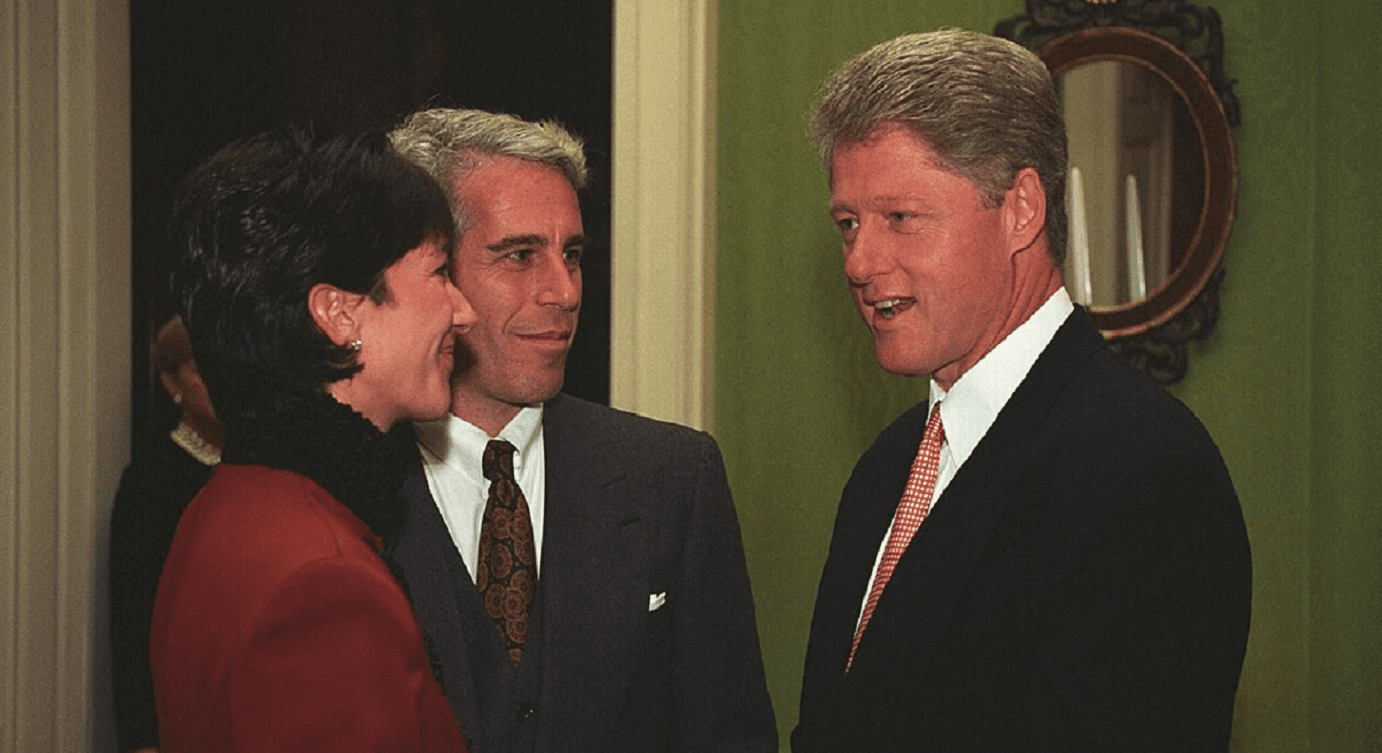
In a push for transparency and accountability regarding the Jeffrey Epstein scandal, the Republican-led House Oversight Committee, chaired by Rep. James Comer of Kentucky, has issued subpoenas to several high-profile figures, including former President Bill Clinton and former Secretary of State Hillary Clinton. These subpoenas demand testimony about their connections to the convicted sex trafficker and seek records from the Department of Justice on Epstein's activities and any related cover-ups. The move comes amid renewed scrutiny of Epstein's network, which entangled powerful individuals across politics and business, and aims to uncover what these officials knew or did during their tenures.
The subpoenas extend beyond the Clintons to include former Attorneys General Bill Barr, Loretta Lynch, Eric Holder, Jeff Sessions, Merrick Garland, and former FBI Directors Robert Mueller and Christopher Wray. Hillary Clinton is scheduled to appear on October 9, while Bill Clinton's date is set for October 14. This action follows a subcommittee vote, including support from some Democrats like Rep. Summer Lee, to compel the release of Epstein-related documents and communications, even those involving the Biden administration. The goal is clear: to expose any failures or complicity in handling Epstein's crimes, which victimized countless young women and highlighted deep corruption in elite circles.
This escalation ties directly to recent developments involving Ghislaine Maxwell, Epstein's convicted accomplice currently serving a 20-year sentence for sex trafficking. In late July 2025, Maxwell met with Department of Justice officials, including Deputy Attorney General Todd Blanche, for a nine-hour interview over two days. She was granted limited immunity for any admissions made during the sessions, reportedly providing information on around 100 individuals linked to Epstein. Following the meetings, Maxwell was transferred to a lower-security facility in Florida and was spotted returning to prison with a mysterious box, sparking questions about what evidence or materials she might have exchanged. Notably, Maxwell stated she had no evidence of wrongdoing by President Donald Trump in connection with Epstein, reinforcing that the focus should remain on those with documented ties, like the Clintons, who flew on Epstein's plane multiple times and hosted him at the White House.
Should the Clintons or any of the subpoenaed individuals choose to ignore these lawful demands, they face severe consequences under established congressional authority. Congress has three primary mechanisms to enforce compliance, each drawing on different branches of government to ensure no one evades oversight.
First, inherent contempt allows Congress to act unilaterally, using its own power to detain and imprison non-compliant witnesses until they testify. This rarely used but potent tool could see the Sergeant-at-Arms arresting the individual and holding them in custody, potentially in a Capitol facility, for as long as needed to compel cooperation. It's a direct assertion of legislative authority, designed to prevent stonewalling by those who think they're above the process.
Second, criminal contempt involves Congress certifying the refusal to the executive branch for prosecution. Under federal law (2 U.S.C. § 192), anyone who willfully ignores a subpoena or refuses to answer pertinent questions can face a misdemeanor charge, punishable by a fine of up to $1,000 and imprisonment from one to twelve months per count. In practice, fines can be higher, as seen in recent cases, and the Justice Department would handle the trial, making it a criminal matter with lasting repercussions.
Third, civil enforcement lets Congress seek a federal court order declaring the subpoena valid and requiring compliance. If defied, the court could impose additional sanctions, including further fines or jail time for contempt of court, escalating the pressure through judicial means.
These penalties aren't theoretical—they've been applied before, setting a clear precedent. Take Steve Bannon, the former White House advisor who refused to comply with a subpoena from the January 6 committee. In 2022, under a Democrat-controlled House, Bannon was convicted on two counts of criminal contempt of Congress, sentenced to four months in federal prison and a $6,500 fine. He served his time starting in July 2024, after appeals failed, proving that even prominent figures aren't immune. It was Democrats who ramped up this enforcement, weaponizing subpoenas against Trump allies while shielding their own. Now, with roles reversed, the same standards must apply—especially to the Clintons, whose Epstein associations have long raised red flags without full accountability.
Remember, during the 2016 campaign, President Trump considered prosecuting Hillary Clinton for her alleged mishandling of classified emails but held back to avoid dividing the nation further. Democrats showed no such restraint, launching relentless investigations and indictments against Trump, often with Hillary-linked figures at the helm. This subpoena fight is about restoring balance: If Bannon faced jail for defiance, so should anyone else, regardless of their last name or political clout.
At the end of the day, no one is above the law. If the Clintons and these former officials have nothing to hide, stepping forward to testify under oath should be straightforward. Refusal not only invites penalties but erodes public trust in a system already strained by years of elite impunity. It's time for answers on Epstein—and real consequences for those who won't provide them.
Join the Team
Are you trying to break into news writing but struggling to get published at major outlets? At RWT News, we're always looking for talented, motivated writers who share our commitment to straightforward, factual conservative journalism. If you believe in honest reporting and want real experience and bylines, we'd love to hear from you.
Visit our Join the Team page to learn more and contact us directly.