Cuba Suffers Second Nationwide Grid Collapse in a Week as Energy Crisis Deepens
The repeated blackouts have left residents without electricity for hours or days at a time, forcing many to cook with firewood and leaving cellular service and internet almost nonexistent. Protests have erupted in some areas, with rare attacks on Communist Party offices reported.
 Tommy Flynn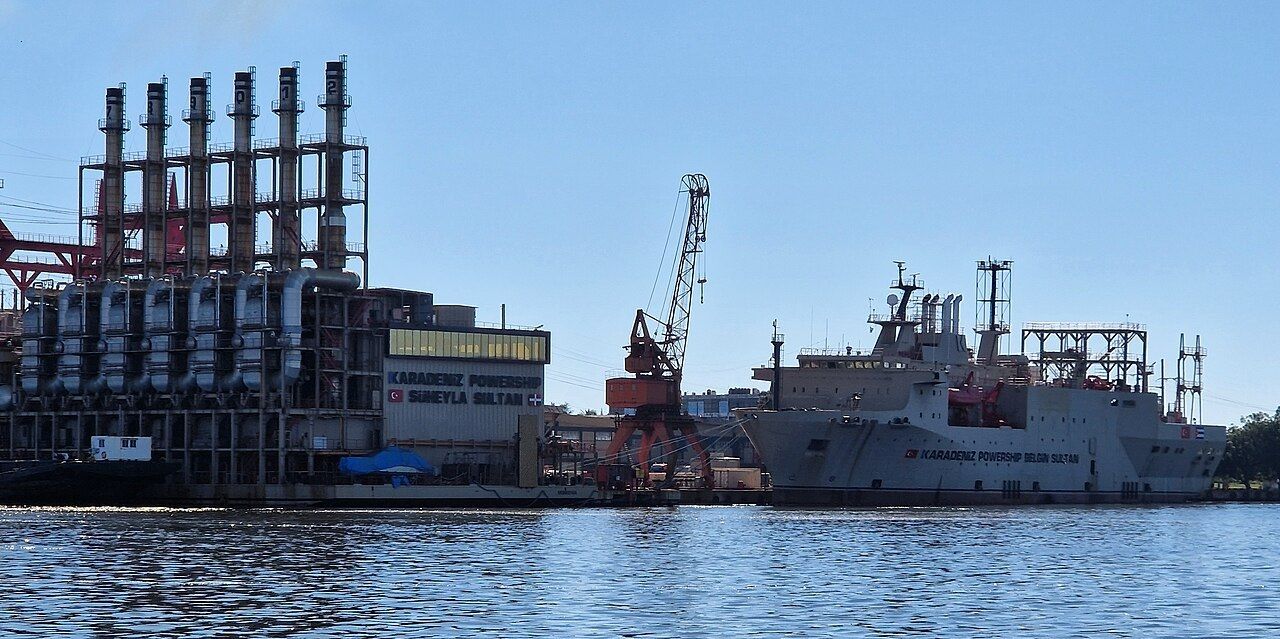
Cuba’s entire electrical grid collapsed for the second time in a week on March 22, 2026, plunging approximately 11 million people into darkness and highlighting the island’s deepening energy crisis.
The blackout began Saturday evening at 6:32 p.m. local time after a major failure at the Nuevitas thermoelectric plant in Camagüey province triggered a nationwide cascade effect, according to Cuba’s state-run electric union (UNE). It was the third major grid failure this month alone, following outages on March 4 and March 16.
The root causes are decades of neglect and fuel shortages. Cuba’s power plants are obsolete Soviet-era thermoelectric facilities that have received little maintenance. The situation worsened dramatically after the U.S. cut off Venezuelan oil shipments in January 2026 following the removal of Nicolás Maduro. Venezuela had been Cuba’s primary supplier of subsidized fuel; its sudden loss left the island without enough diesel and fuel oil to run its generators.
Cuban officials have blamed the long-standing U.S. trade embargo for the problems. Prime Minister Manuel Marrero described recovery efforts as taking place under “very complex circumstances.” The Ministry of Energy and Mines has activated “microsystems” — smaller, isolated circuits — in every province to prioritize hospitals, water pumping stations, and food distribution centers. Two gas-fired plants operated by Energas in Varadero and Boca de Jaruco were brought online, and partial power was restored to parts of Havana by Sunday afternoon. Full restoration is expected to take several days.
The repeated blackouts have left residents without electricity for hours or days at a time, forcing many to cook with firewood and leaving cellular service and internet almost nonexistent. Protests have erupted in some areas, with rare attacks on Communist Party offices reported.
The crisis reflects the broader failure of Cuba’s Soviet-style command economy. Power outages have become routine over the past two years, but two total nationwide collapses in a single week are unprecedented in recent history. The situation has grown more acute since the Trump administration intensified pressure on the regime by blocking alternative oil sources and demanding political and economic reforms in exchange for sanctions relief.
No immediate comment came from Cuban leader Miguel Díaz-Canel on the latest collapse. The government continues to insist the problems are external, while critics point to decades of mismanagement under the communist system as the primary cause. Recovery efforts remain slow, and daily life for most Cubans continues under frequent darkness.
Support Independent Conservative News
RWTNews is independent conservative news — no corporate backing, no agenda driven by advertisers. We rely entirely on readers like you to keep the lights on and the truth coming. If you've found value in what you read here, consider supporting us with a one-time or monthly contribution. Every dollar goes directly toward keeping this site running and growing.
Secured by Stripe. Your payment info is never stored on our servers.