Counterterrorism Expert Testifies El-Sayed Has Deep Ties to Muslim Brotherhood-Linked Network
A counterterrorism analyst told Sen. Ted Cruz’s subcommittee that Michigan Democratic Senate nominee Abdul El-Sayed has significant family and organizational ties to Muslim Brotherhood-linked groups.
 Tommy Flynn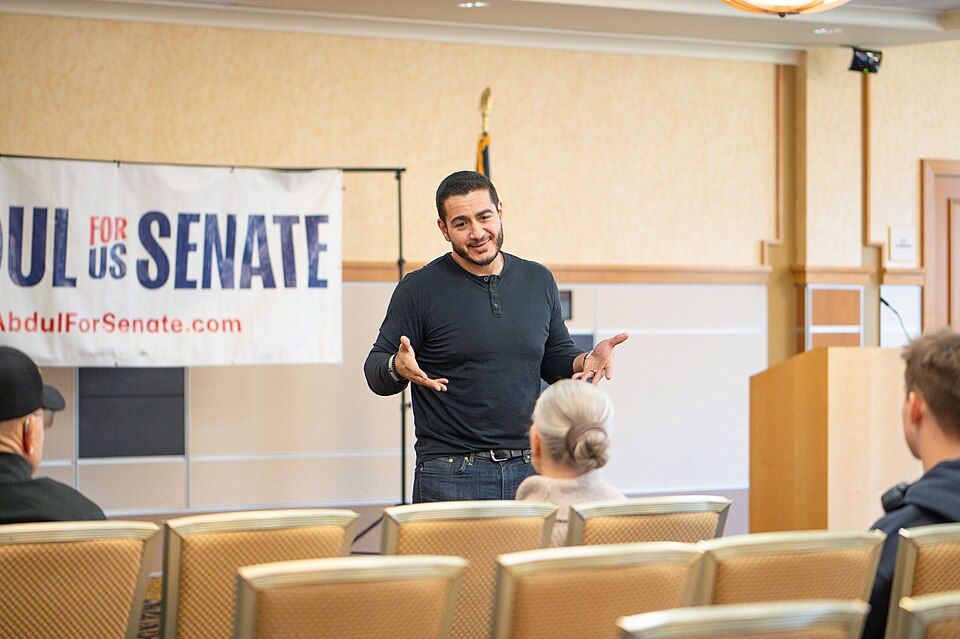
A counterterrorism analyst told a Senate subcommittee that Michigan Democratic Senate nominee Abdul El-Sayed maintains significant connections to organizations and individuals linked to the Muslim Brotherhood, raising national security concerns about his candidacy.
Kyle Shideler, senior analyst for homeland security and counterterrorism at the Center for Security Policy, delivered the testimony Wednesday during a hearing of the Senate Judiciary Subcommittee on Federal Courts, Oversight, Agency Action, and Federal Rights. The session, chaired by Sen. Ted Cruz (R-Texas) and titled “Hidden in Plain Sight: Confronting the Muslim Brotherhood Network in America,” examined alleged influence operations by the Islamist group and its affiliates inside the United States. Democratic members of the subcommittee boycotted the proceeding.
Under questioning from Cruz, Shideler said El-Sayed’s recent primary victory over Rep. Haley Stevens concerned him because of family and organizational associations. “It shows the success of the Muslim Brotherhood network over multiple decades,” Shideler stated. “It achieved what they said they were going to achieve, which was to normalize support for Hamas and normalize support for terrorism.”
Shideler pointed first to El-Sayed’s father-in-law, Jukaku Tayeb. According to the testimony, Tayeb served as president of the Council on American-Islamic Relations’ Michigan chapter from 2005 to 2010 and remains on its board. He also holds a position on the Islamic Society of North America’s Founders Committee, a role Shideler described as reserved for major funders and individuals closely devoted to the organization. Other known Brotherhood-linked figures have served on the same committee, Shideler said. Tayeb has donated hundreds of thousands of dollars to the Fighting for Michigan PAC supporting El-Sayed’s Senate campaign, making him one of its largest individual donors.
The analyst further noted that El-Sayed’s campaign has received more than $115,000 from dozens of current and former CAIR officials and board members, including members of the group’s national leadership. Shideler also highlighted El-Sayed’s ties to Emgage, a Muslim political engagement and candidate recruitment organization. Emgage was founded by Khurrum Wahid, a former CAIR legal adviser and Florida chapter officer who was placed on a terrorism watch list and previously served as a consultant to Sami Al-Arian. Al-Arian pleaded guilty to conspiracy to provide services to Palestinian Islamic Jihad, a U.S.-designated foreign terrorist organization.
Additional associations cited in the testimony included El-Sayed’s past leadership role in the Muslim Students Association, an organization with documented historical roots in the Muslim Brotherhood, and his signature on a 2012 public statement defending the Muslim Brotherhood’s rule in Egypt under Mohamed Morsi. Shideler also referenced federal court findings from the Holy Land Foundation terrorism financing trial, in which CAIR and ISNA were named as unindicted co-conspirators. A federal judge in that case determined there was ample evidence linking the groups to Muslim Brotherhood and Hamas support networks.
Cruz emphasized the testimony during the hearing, asserting that a broader institutional network stands behind El-Sayed’s political rise. He connected the matter to what he described as partnerships between Muslim Brotherhood-linked entities and progressive groups such as the Democratic Socialists of America, which have backed El-Sayed. Shideler affirmed under questioning that such partnerships exist around shared revolutionary objectives, including advocacy against the U.S. Constitution.
El-Sayed has previously accused political opponents of relying on Islamophobia when scrutinizing his background and associations, arguing that critics lack substantive responses to his policy positions. No immediate public response from the El-Sayed campaign to the specific Senate testimony was reported.
The hearing formed part of ongoing Republican efforts to highlight what they describe as the Muslim Brotherhood’s long-term strategy of building influence through civic, charitable, and political organizations in the United States. CAIR and ISNA have consistently rejected characterizations of themselves as Brotherhood fronts or terrorist supporters, describing such claims as baseless smears. The Holy Land Foundation case remains a central piece of evidence cited by critics of the groups’ historical relationships.
El-Sayed will face Republican nominee Mike Rogers in the November general election for the open Michigan Senate seat. The testimony places renewed focus on questions about foreign ideological influence in American political campaigns as the midterm contests intensify.
Support Independent Conservative News
RWTNews is independent conservative news — no corporate backing, no agenda driven by advertisers. We rely entirely on readers like you to keep the lights on and the truth coming. If you've found value in what you read here, consider supporting us with a one-time or monthly contribution. Every dollar goes directly toward keeping this site running and growing.
Secured by Stripe. Your payment info is never stored on our servers.