Congressional Overreach? Over 30 Million Lines of Phone Data Collected in January 6 Investigation
The subpoenas targeted call detail records (CDRs), capturing call times, durations, and general locations—but not content.
 RWTNews Staff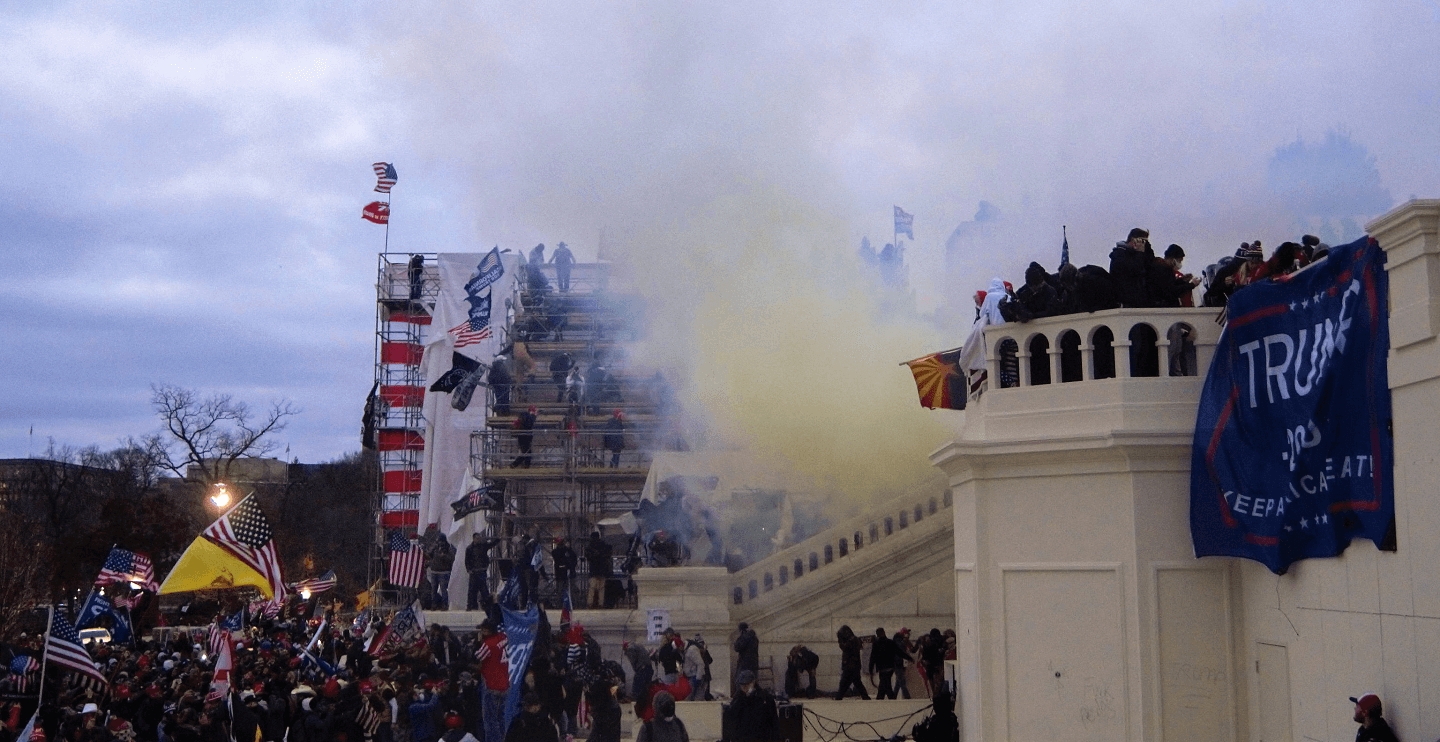
In October 2025, newly released documents revealed that the House Select Committee, tasked with investigating the January 6, 2021, Capitol riot, collected approximately 30 million lines of phone records. These records, obtained through subpoenas to telecommunications companies, mapped connections between individuals and the White House from January 4 to January 7, 2021. The committee, formed in July 2021 after a bipartisan push for an independent commission faltered, aimed to uncover the causes and responses to the Capitol breach. Former committee member Rep. Adam Kinzinger disclosed in December 2023 that he offered this vast dataset to the FBI, signaling ongoing federal investigations into related matters.
The committee, chaired by Rep. Bennie Thompson (D-Miss.), included seven Democrats and two Republicans: Rep. Liz Cheney (R-Wyo.) and Rep. Kinzinger. From June to December 2022, it held public hearings and released a final report detailing the events surrounding the 2020 election certification disruption. Over 1,000 individuals faced charges tied to the riot, and the committee interviewed hundreds of witnesses while reviewing extensive documents. Phone records were central to tracing communications among rally organizers, White House officials, and other key figures.
The subpoenas targeted call detail records (CDRs), capturing call times, durations, and general locations—but not content. Denver Riggleman, a former Republican congressman hired as a staffer, led the analysis, using law enforcement databases to match numbers to names and create visual connection maps. The data included records from defendants charged by the Department of Justice, rally planners, influencers, President Trump’s family members, and associates like Michael Flynn, Roger Stone, and Steve Bannon. No warrants were required, as the committee relied on congressional authority. Riggleman’s 2022 book, "The Breach," described identifying “root numbers” linked to the White House switchboard.
In December 2023, Kinzinger met with FBI agents, offering the committee’s phone data for their investigations, as documented in an FBI memo. The memo noted the data’s electronic format and Riggleman’s role but did not confirm whether the FBI accepted it. This offer coincided with the FBI’s “Arctic Frost” probe, launched in April 2022, which examined election-related matters and later informed Special Counsel Jack Smith’s case against President Trump. Arctic Frost targeted 92 Republican entities, including Donald J. Trump for President Inc., Turning Point USA, and the Republican Attorneys General Association. A September 2023 FBI document outlined preliminary toll analysis on GOP members’ records.
Further revelations in October 2025 showed the FBI analyzed phone records of nine Republican lawmakers in 2023, including Sens. Ron Johnson (R-Wis.), Lindsey Graham (R-S.C.), Bill Hagerty (R-Tenn.), Josh Hawley (R-Mo.), Dan Sullivan (R-Alaska.), Tommy Tuberville (R-Ala.), Cynthia Lummis (R-Wyo.), Marsha Blackburn (R-Tenn.), and Rep. Mike Kelly (R-Pa.). These records, obtained via subpoenas to telecom providers for the same January 4-7, 2021, period, were part of efforts under Special Counsel Smith, who charged President Trump in August 2023 with conspiring to defraud the U.S. and obstruct electoral vote certification. Sen. Chuck Grassley (R-Iowa) responded by sending letters to telecom companies and federal agencies, demanding details on the records provided.
FBI Director Kash Patel, appointed in 2025, initiated reviews, terminating employees and disbanding units involved in these probes. The disclosures, spurred by oversight requests from Grassley and others, highlight the scale of data collection. Congressional subpoenas for toll records require no judicial oversight, unlike wiretaps, raising concerns about privacy and potential overreach, especially when targeting political figures. Legal experts note that while the Speech or Debate Clause protects legislative actions, it may not shield against rights violations. Past instances, such as the Trump administration’s 2017-2018 leak investigations obtaining Democratic lawmakers’ records, underscore bipartisan concerns about such practices.
The extensive phone data collection and its use in ongoing investigations reveal the depth of efforts to address the January 6 events and broader election integrity issues. As more documents surface, they prompt critical discussions about the balance between investigative authority and individual privacy rights, with potential implications for future oversight and reform.
Support Independent Conservative News
RWTNews is independent conservative news — no corporate backing, no agenda driven by advertisers. We rely entirely on readers like you to keep the lights on and the truth coming. If you've found value in what you read here, consider supporting us with a one-time or monthly contribution. Every dollar goes directly toward keeping this site running and growing.
Secured by Stripe. Your payment info is never stored on our servers.