Congress Has Days to Avert Fourth Shutdown of Trump’s Second Term as Iran War Funding and Restrictions Become Central Sticking Points
Lawmakers face a December 11 deadline to fund the government; none of the 12 fiscal 2027 appropriations bills have cleared both chambers, and Democrats are pressing limits on military action against Iran.
 Tommy Flynn
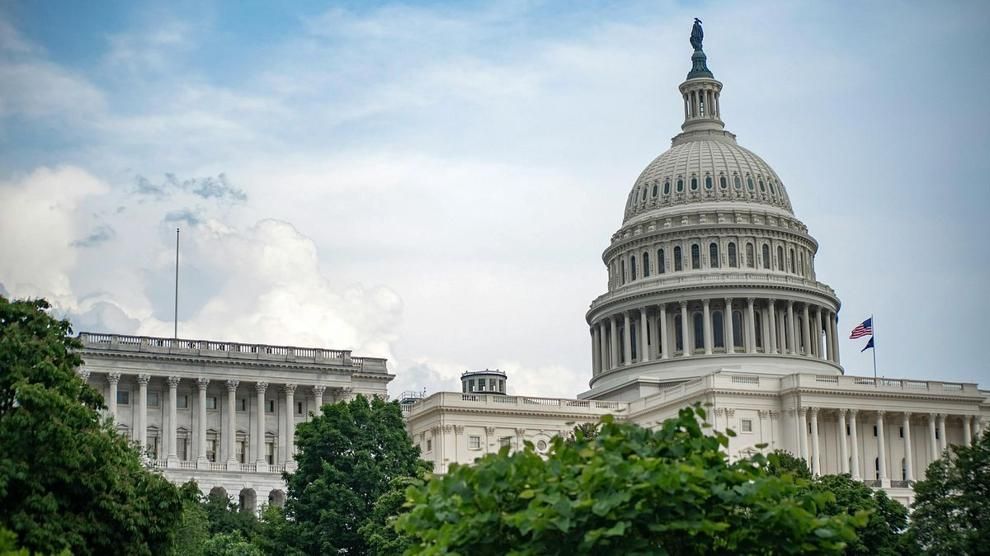
Congress must pass funding legislation by December 11 to prevent a fourth government shutdown during President Trump’s second term. Members left Washington early this week and are scheduled to return next week with roughly 15 days remaining before the deadline. None of the 12 regular fiscal 2027 appropriations bills has passed both the House and Senate, making a full set of regular bills impossible in the available time. Options include a continuing resolution, a “minibus” combining some appropriations bills with a short-term measure for the rest, or another partial or full shutdown.
Two of the three prior shutdowns in the second Trump term were full (October 1, 2025–November 12, 2026, and a brief January 2018 episode); one was partial (February 14–April 30, 2026). The current standoff occurs in a lame-duck session after Democrats won majorities in both chambers in the November 3 midterms. Preston Brashers of the Plymouth Institute of Free Enterprise noted in a November 23 paper that lame-duck sessions have historically produced large spending packages—more than $2.1 trillion in new spending across lame ducks since 2010—when outgoing members face reduced voter accountability. One hundred twenty members of the 119th Congress will not return.
A central point of contention is funding related to the ongoing conflict with Iran and Trump’s request for approximately $350 billion in additional Pentagon resources. Senate Democrats have indicated they will seek language restricting the president’s use of force. Connecticut Rep. Rosa DeLauro has suggested Democrats are exploring alternative strategies that do not risk a shutdown, though details have not been specified. Senate Democratic Leader Chuck Schumer is simultaneously seeking to become majority leader for the next Congress; a challenge from Sen. Chris Van Hollen of Maryland is pending, and a misstep on funding could affect his internal support.
House Speaker Mike Johnson has expressed frustration that many Republican members did not return promptly after the midterm recess. The national debt stands at approximately $40.7 trillion with a fiscal 2026 deficit near $2 trillion. Failure to reach agreement would interrupt pay for federal workers and operations of agencies ahead of the Christmas period. Both parties have previously used shutdown leverage; the current combination of a post-election power shift, Iran-related military requests, and lame-duck incentives distinguishes this deadline from earlier ones.
Join the Team
Are you trying to break into news writing but struggling to get published at major outlets? At RWT News, we're always looking for talented, motivated writers who share our commitment to straightforward, factual conservative journalism. If you believe in honest reporting and want real experience and bylines, we'd love to hear from you.
Visit our Join the Team page to learn more and contact us directly.