Commerce Department Closes AI-Chip Remote-Access Loopholes Used by Chinese Firms
New interim final rule requires licenses for advanced chips bound for certain Southeast Asian countries and Brazil and for overseas data centers supplying significant compute to China-headquartered companies.
 Tommy Flynn
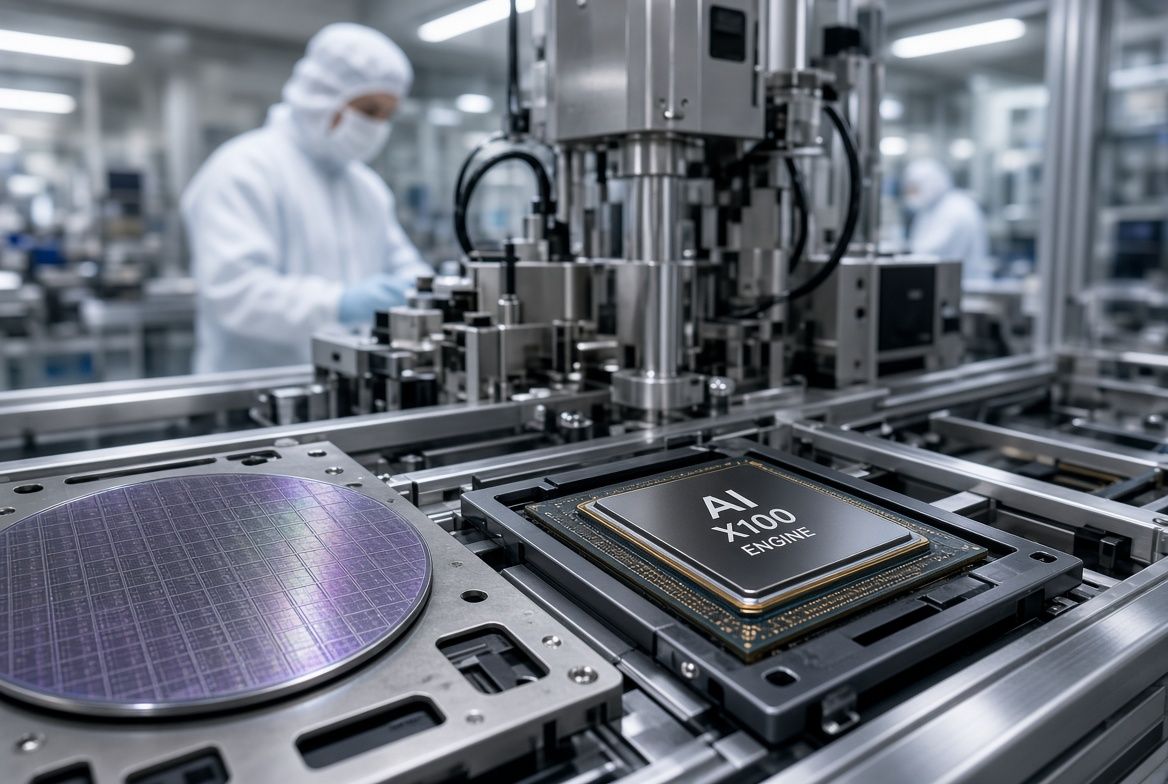
The Commerce Department’s Bureau of Industry and Security published an interim final rule Monday that tightens controls on advanced AI chips and the remote computing power they enable, specifically targeting pathways Chinese firms have used to circumvent existing export restrictions.
The rule imposes new license requirements on shipments of advanced chips to Indonesia, Malaysia, Singapore, Thailand, and Brazil—countries identified as higher-risk diversion points. It also requires overseas data centers that provide significant volumes of computing power to companies headquartered in China or other restricted destinations to obtain U.S. export licenses. Existing centers already serving such customers have 90 days from the effective date to secure licenses or face future restrictions. The measure covers indirect access through intermediaries and requires exporters and operators to monitor ownership structures.
U.S. rules have prohibited Chinese entities from purchasing the most advanced Nvidia and AMD chips directly since 2022. Chinese companies have instead rented computing capacity from data centers in third countries, obtaining the same capability without taking physical possession of the hardware. The new rule closes that remote-access channel and adds geographic controls on the chips themselves.
The action comes days after Nvidia CEO Jensen Huang resigned amid revelations of affairs, including a relationship with a woman U.S. intelligence assessed as linked to China’s Ministry of State Security and connected to a Singapore-based cloud partner. Commerce Secretary Howard Lutnick’s department has faced internal and external criticism for the pace of earlier restrictions; Treasury Secretary Scott Bessent publicly attributed delays in blacklisting one Nvidia customer to Commerce. The interim final rule is the first formal policy response to the heightened scrutiny.
President Trump has said he is open to Huang’s return to Nvidia and has defended Lutnick, stating he has no plans to remove the Commerce secretary. The board of Nvidia, according to multiple reports, is focused on its internal investigation and is not considering reinstatement.
National-security officials have long argued that advanced AI compute is a strategic asset comparable to earlier dual-use technologies. China has pursued both domestic chip production and work-arounds to obtain foreign capacity. The new licensing regime raises the cost and visibility of those work-arounds. Critics of tighter controls warn of lost sales and possible retaliation; supporters contend that preserving the U.S. lead in frontier AI outweighs short-term commercial effects, particularly after the recent intelligence concerns surrounding Nvidia’s former leadership.
The rule also formally rescinds the Biden-era AI Diffusion Rule framework that the current administration had already declined to enforce. Implementation details, including the precise thresholds for “significant volumes” of compute, will determine how quickly existing arrangements must be restructured.
Support Independent Conservative News
RWTNews is independent conservative news — no corporate backing, no agenda driven by advertisers. We rely entirely on readers like you to keep the lights on and the truth coming. If you've found value in what you read here, consider supporting us with a one-time or monthly contribution. Every dollar goes directly toward keeping this site running and growing.
Secured by Stripe. Your payment info is never stored on our servers.