Canada Trade Talks Collapse: Trump’s 50% Tariffs Hit $20 Billion in Goods as Carney Vows Dollar-for-Dollar Retaliation
Last-minute U.S.-Canada trade talks collapsed Friday night, triggering Trump’s 50% tariffs on $20 billion in Canadian goods as Prime Minister Mark Carney suspended negotiations and vowed dollar-for-dollar retaliation.
 Tommy Flynn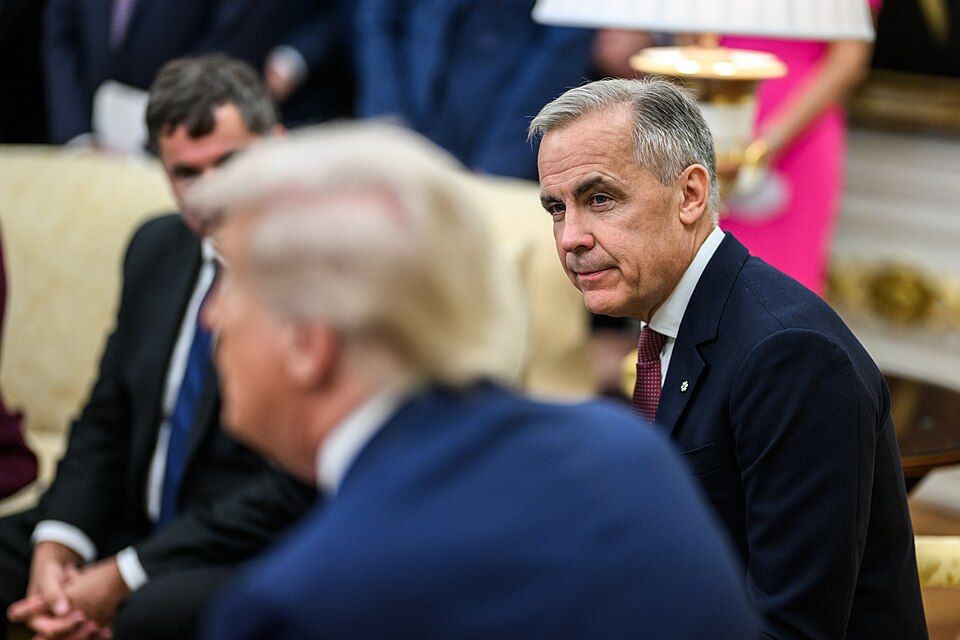
Last-minute negotiations between the United States and Canada collapsed late Friday, allowing President Donald Trump’s 50 percent tariffs on roughly $20 billion in Canadian products to take effect at midnight Saturday as Canadian Prime Minister Mark Carney suspended talks and pledged matching duties.
Canadian negotiators, including Trade Minister Dominic LeBlanc, had spent days in Washington meeting with U.S. Trade Representative Jamieson Greer in an effort to convert a tentative framework announced earlier in the week into a signed agreement. President Trump had paused the new tariffs for three days, citing progress and a deal subject only to final documentation. Those talks ended without a pact.
Carney announced the suspension in a statement Friday evening, directing his team to return to Ottawa. He said negotiators had worked in good faith until the last minute but that last-minute changes in the U.S. proposed terms were “unfair, uneconomic, and called into question the reliability of any deal.” Progress, he added, had not been enough to meet Canada’s objectives. Carney stated that Canada would match the incoming U.S. tariffs “dollar for dollar to protect our workers and businesses” and promised additional support measures in the coming days, building on prior aid already provided to affected sectors.
Greer offered a contrasting account, telling reporters that Canada declined to finalize the agreement under terms that had been reached earlier in the week. He said new demands and walk-backs of other commitments by Canada upended the balance that had been struck. The United States, Greer noted, had offered Canada the best treatment of any major exporter to the American market, including significant reductions on existing tariffs covering steel, aluminum, autos, and lumber, along with a broader economic and national-security partnership. He described the outcome as a missed opportunity for Canada.
The 50 percent tariffs, imposed under Section 338 of the Tariff Act of 1930 in response to what the administration called discriminatory Canadian practices on dairy, alcohol, and autos, now apply to a range of goods including wine, hockey equipment, cement, plywood, furniture, and other products. Unlike some earlier measures, they do not include an exemption for goods that would otherwise qualify under the U.S.-Mexico-Canada Agreement. The duties affect about 5 percent of Canada’s exports to the United States.
The breakdown follows months of friction in which the Trump administration has sought greater reciprocity after Canada imposed retaliatory measures and maintained policies that limited U.S. access in key sectors. Both sides had described the week’s talks as intense and close, but the failure to lock in terms before the deadline ended the pause and triggered the new levies. No further negotiations were immediately scheduled. Canada’s matching tariffs and any additional U.S. responses will now shape the next phase of the dispute.
Support Independent Conservative News
RWTNews is independent conservative news — no corporate backing, no agenda driven by advertisers. We rely entirely on readers like you to keep the lights on and the truth coming. If you've found value in what you read here, consider supporting us with a one-time or monthly contribution. Every dollar goes directly toward keeping this site running and growing.
Secured by Stripe. Your payment info is never stored on our servers.