Appeals Court Allows Trump White House Ballroom Construction to Resume
The U.S. Court of Appeals for the D.C. Circuit issued the ruling on April 10, 2026, overturning an earlier decision by U.S. District Judge Richard Leon that had blocked the project.
 Tommy Flynn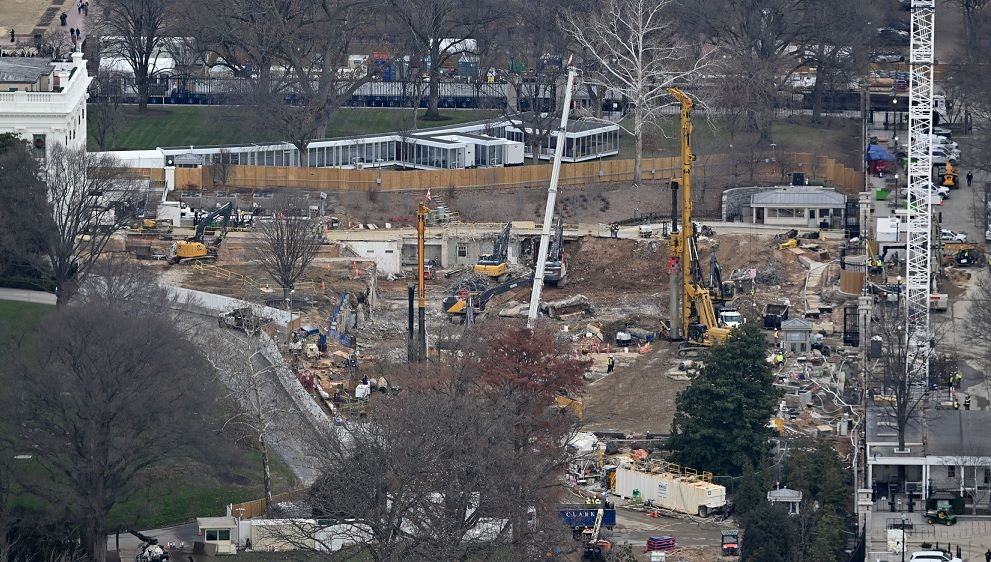
WASHINGTON – A federal appeals court has lifted the injunction that had halted construction of President Donald Trump’s planned White House ballroom, clearing the way for the privately funded project to move forward.
The U.S. Court of Appeals for the D.C. Circuit issued the ruling on April 10, 2026, overturning an earlier decision by U.S. District Judge Richard Leon that had blocked the project. The appeals court determined that the Trump administration has sufficient authority to proceed with the renovation and expansion without additional congressional approval at this stage.
The ballroom project involves constructing a 90,000-square-foot addition on the site of the former East Wing, which was demolished in October 2025. The new facility is intended to host large state dinners, official events, and public functions. The entire project, including an expanded underground military complex beneath the ballroom, is estimated to cost approximately $400 million and is being funded entirely through private donations rather than taxpayer money.
The White House has described the ballroom as a long-overdue modernization of the historic residence to better accommodate contemporary presidential needs and large-scale events. Trump has referred to the project as one of the most significant improvements to the White House in over a century.
The Legal Battle
The National Trust for Historic Preservation filed suit in late 2025, arguing that major structural changes to the White House complex require explicit congressional authorization, environmental reviews, and historic preservation compliance. In February 2026, Judge Leon sided with the preservation group and issued a preliminary injunction, stating that the president does not have unilateral authority to undertake such extensive construction on federal historic property without legislative approval.
The Trump administration appealed the ruling, arguing that the project falls under executive authority over the White House grounds and that private funding removes any need for congressional appropriation. The D.C. Circuit agreed with the administration’s position, vacating the injunction and allowing construction to resume while the underlying case continues.
White House officials welcomed the decision, calling it a victory for practical governance and historic preservation through modernization. Critics, including the National Trust, expressed disappointment and indicated they may seek further legal options or push for congressional legislation to require explicit approval for future major changes to the White House.
Construction crews are expected to resume work on the site in the coming days. The project remains one of the most visible physical changes to the White House in decades and continues to draw both support and criticism over its scale and symbolic importance.
Join the Team
Are you trying to break into news writing but struggling to get published at major outlets? At RWT News, we're always looking for talented, motivated writers who share our commitment to straightforward, factual conservative journalism. If you believe in honest reporting and want real experience and bylines, we'd love to hear from you.
Visit our Join the Team page to learn more and contact us directly.