Alabama Petitions Supreme Court to Allow Replacement of Court-Ordered Congressional Map
The petitions seek to replace the current court-drawn map — which includes two majority-Black districts out of seven — with boundaries drawn by the Republican-led legislature in 2023.
 Tommy Flynn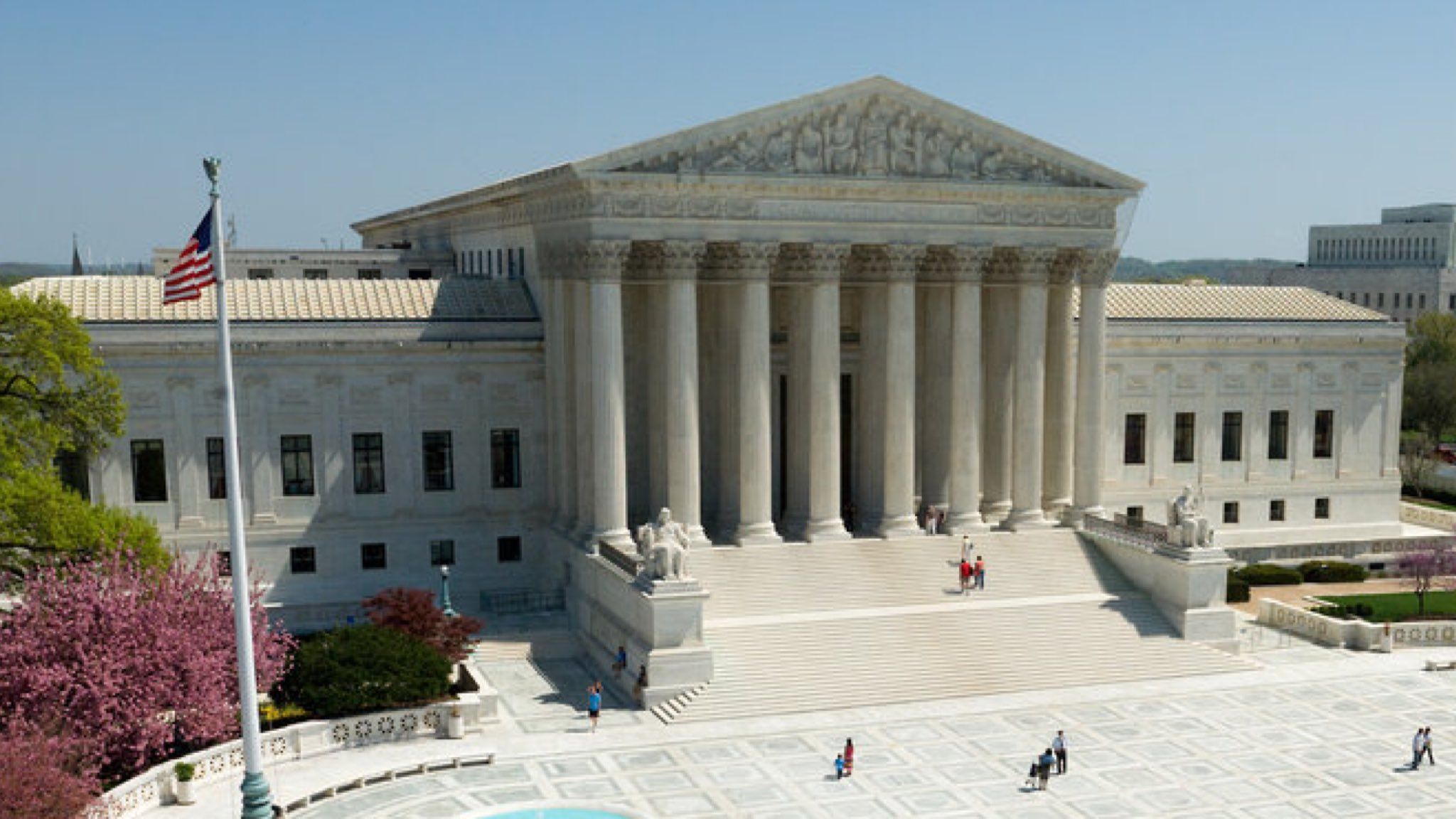
MONTGOMERY, Ala. — Alabama Attorney General Steve Marshall and Secretary of State Wes Allen filed emergency applications with the U.S. Supreme Court on Friday asking the justices to lift a federal injunction and permit the state to use a new congressional map for the 2026 midterm elections.
The petitions seek to replace the current court-drawn map — which includes two majority-Black districts out of seven — with boundaries drawn by the Republican-led legislature in 2023. That earlier map featured only one majority-Black district and was blocked after lower courts found it violated Section 2 of the Voting Rights Act.
The move follows the Supreme Court’s April 29 decision in Louisiana v. Callais, which significantly narrowed how courts can apply the Voting Rights Act to redistricting claims and rejected race-based district drawing in that case. Alabama officials argue the Callais ruling undermines the legal basis for the existing injunction, which had required the two Black-majority districts through the 2030 census.
In filings on the high court’s emergency docket, the state asked for expedited review so any changes could take effect before the May 19 primary. Justice Clarence Thomas has ordered responses by May 11.
The Alabama Legislature this week passed and Gov. Kay Ivey signed contingency legislation authorizing special primaries if courts approve the switch. The current map, imposed after the Supreme Court’s 2023 Allen v. Milligan ruling, has produced a 5-2 Republican-to-Democrat delegation despite the state’s strong Republican lean.
Marshall stated the request aligns Alabama with other states now able to draw race-neutral maps following the Callais precedent. Democrats and voting rights groups opposed the effort, warning it could dilute Black voting strength and disrupt an election already underway in some areas.
The Supreme Court has not yet ruled on the emergency requests. The case is part of a broader wave of redistricting activity in Southern states following the recent Voting Rights Act decision.
Support Independent Conservative News
RWTNews is independent conservative news — no corporate backing, no agenda driven by advertisers. We rely entirely on readers like you to keep the lights on and the truth coming. If you've found value in what you read here, consider supporting us with a one-time or monthly contribution. Every dollar goes directly toward keeping this site running and growing.
Secured by Stripe. Your payment info is never stored on our servers.