Airline CEOs Demand Congress End Shutdown, Fund TSA Amid Travel Chaos
The CEOs warned that the shutdown is exacerbating travel disruptions as spring break approaches, with TSA absences leading to security lines exceeding two hours at airports like Houston Hobby and New Orleans, and higher-than-normal delays at Newark.
 Tommy Flynn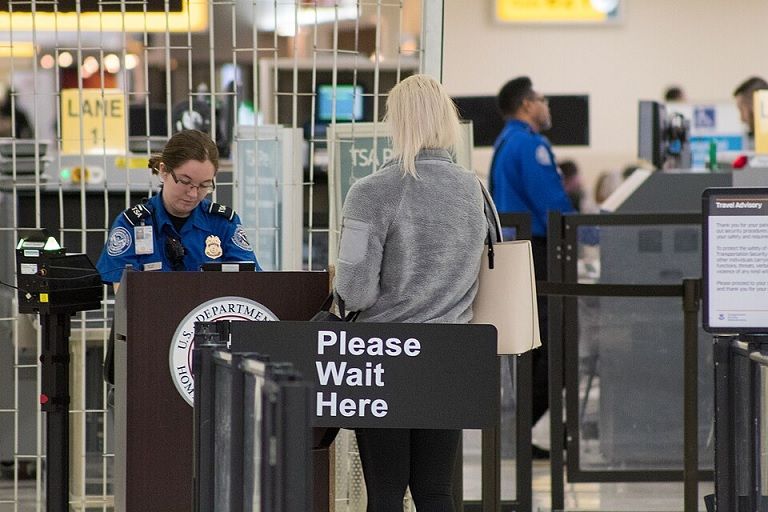
Chief executives from major U.S. airlines, including American, United, Delta, Southwest, JetBlue, and Alaska, along with cargo carriers FedEx, UPS, and Atlas Air, issued an open letter on March 15, 2026, urging Congress to resolve a 29-day partial government shutdown and restore funding to the Department of Homeland Security to pay unpaid Transportation Security Administration (TSA) officers.
The CEOs warned that the shutdown is exacerbating travel disruptions as spring break approaches, with TSA absences leading to security lines exceeding two hours at airports like Houston Hobby and New Orleans, and higher-than-normal delays at Newark. They noted over 300 TSA officers have quit since the shutdown began on February 13, prompting some airports to close checkpoints or seek donations for worker support.
In the letter, the executives criticized air travel becoming a "political football amid another government shutdown," urging immediate funding and bipartisan legislation like the Aviation Funding Solvency Act to ensure payment for essential aviation workers during future lapses. They highlighted expected record 171 million passengers this spring, up 4% from last year, amplifying the shutdown's impact.
The standoff stems from congressional failure to agree on immigration enforcement reforms demanded by Democrats, lapsing DHS funding. This follows a 43-day shutdown last fall that led to FAA-ordered flight cuts at major airports.
Senate efforts to pass funding measures failed on March 14, with no immediate congressional response to the letter.
Support Independent Conservative News
RWTNews is independent conservative news — no corporate backing, no agenda driven by advertisers. We rely entirely on readers like you to keep the lights on and the truth coming. If you've found value in what you read here, consider supporting us with a one-time or monthly contribution. Every dollar goes directly toward keeping this site running and growing.
Secured by Stripe. Your payment info is never stored on our servers.